
Manaslu Circuit Trekking Update: October 2025 — Current Conditions, Safety Tips & Essential Advice
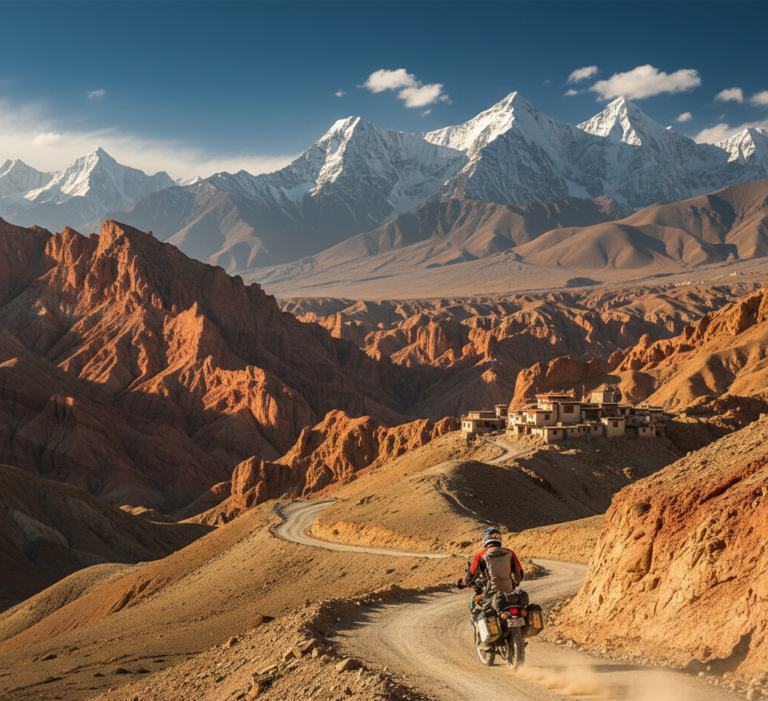
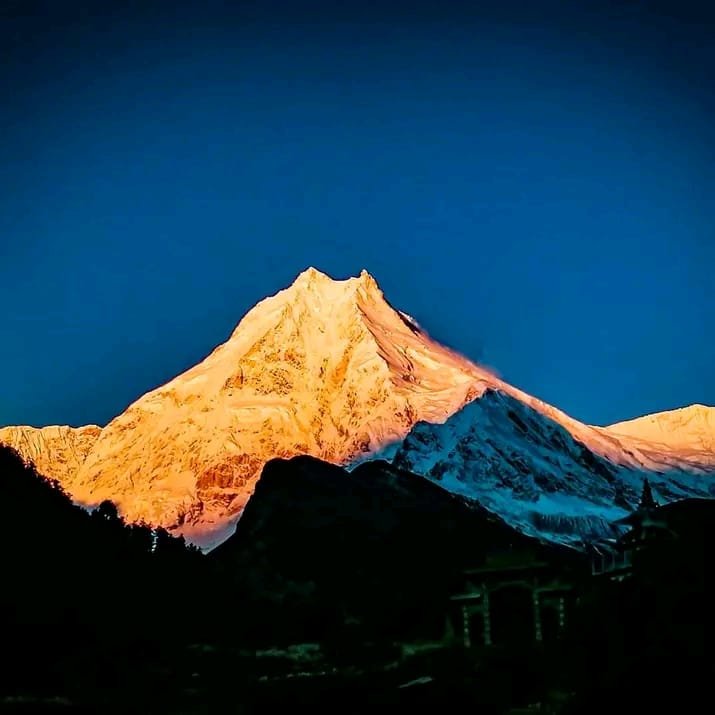
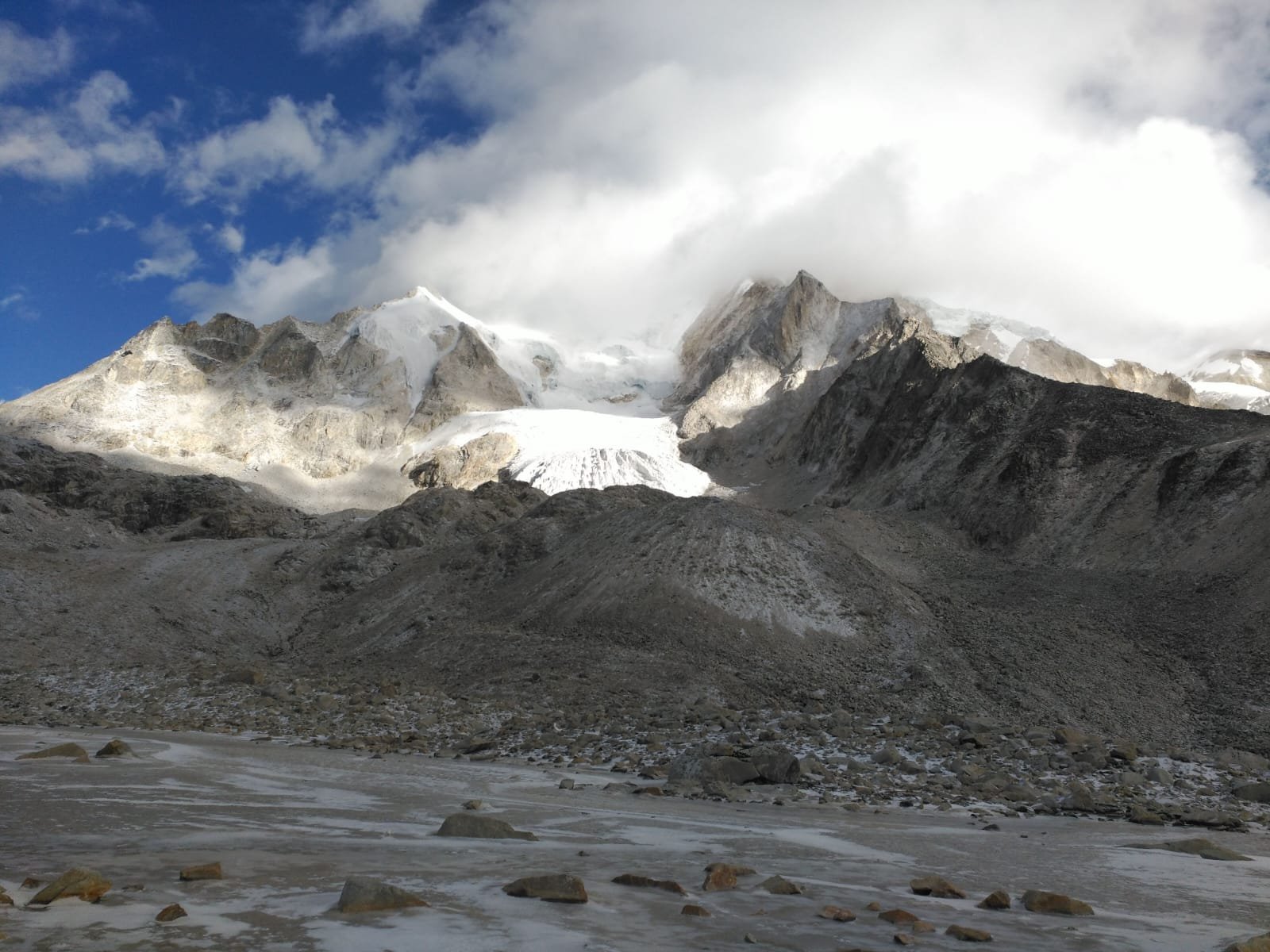
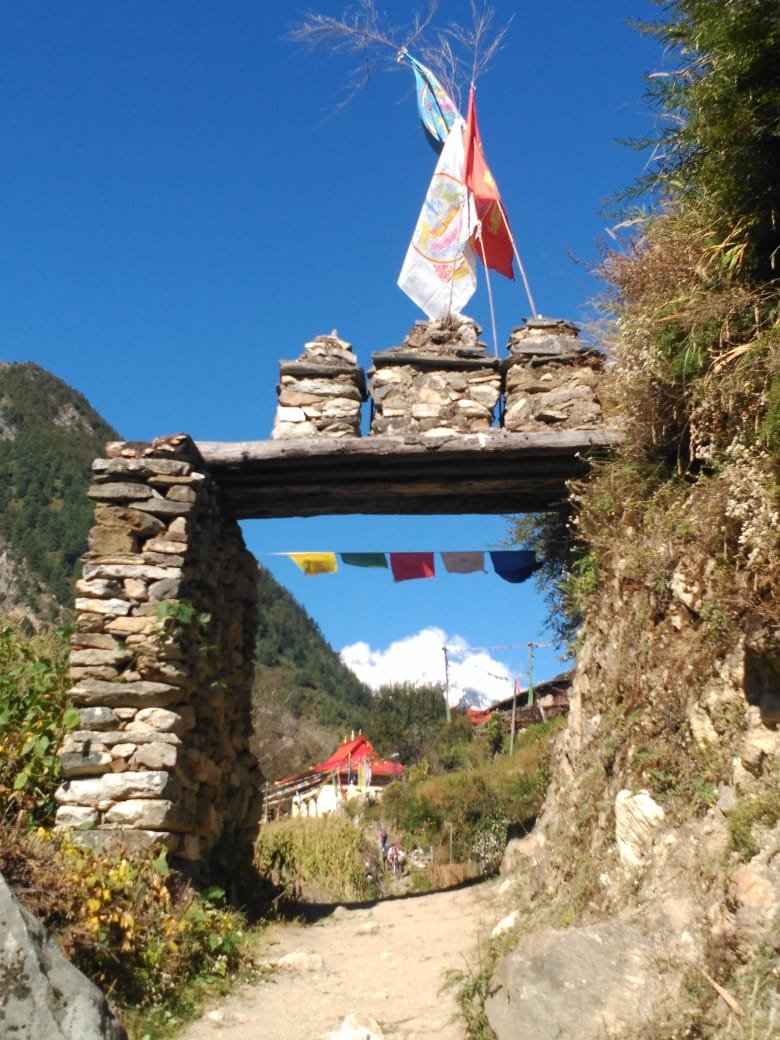
The Manaslu Circuit Trekking remains one of Nepal’s most remarkable adventures — a quieter, wilder alternative to the Annapurna Circuit. Winding through ancient Tibetan-influenced villages, lush valleys, and the dramatic Larkya La Pass (5,106 m), it offers trekkers both cultural depth and alpine challenge.
But as of October 2025, unusual weather patterns have disrupted the otherwise stable autumn trekking season. If you’re planning or already undertaking this journey, here’s what you need to know about current weather, trail accessibility, safety, and essential dos & don’ts during this unpredictable period.
Current Weather & Trail Conditions Manaslu Circuit Trekking
Recent Developments
-
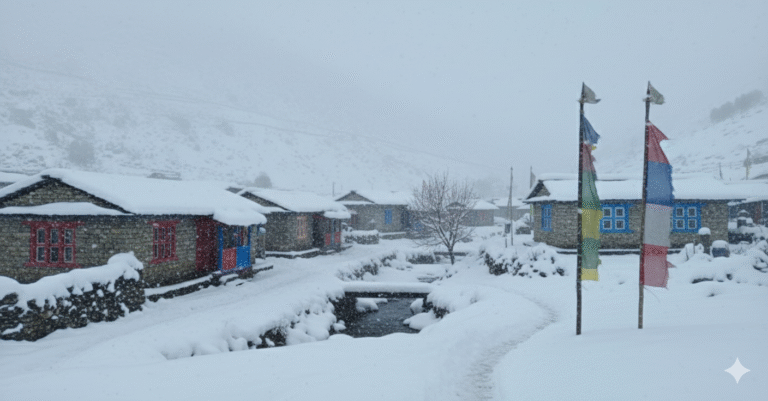
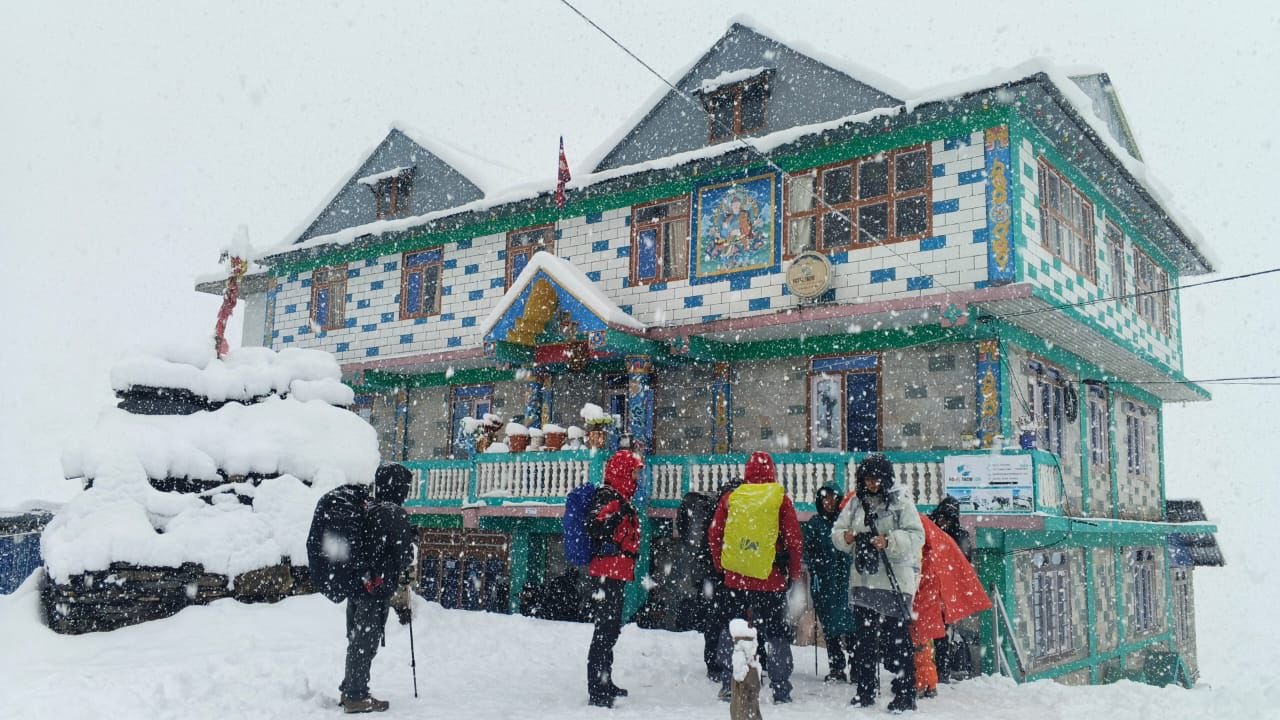
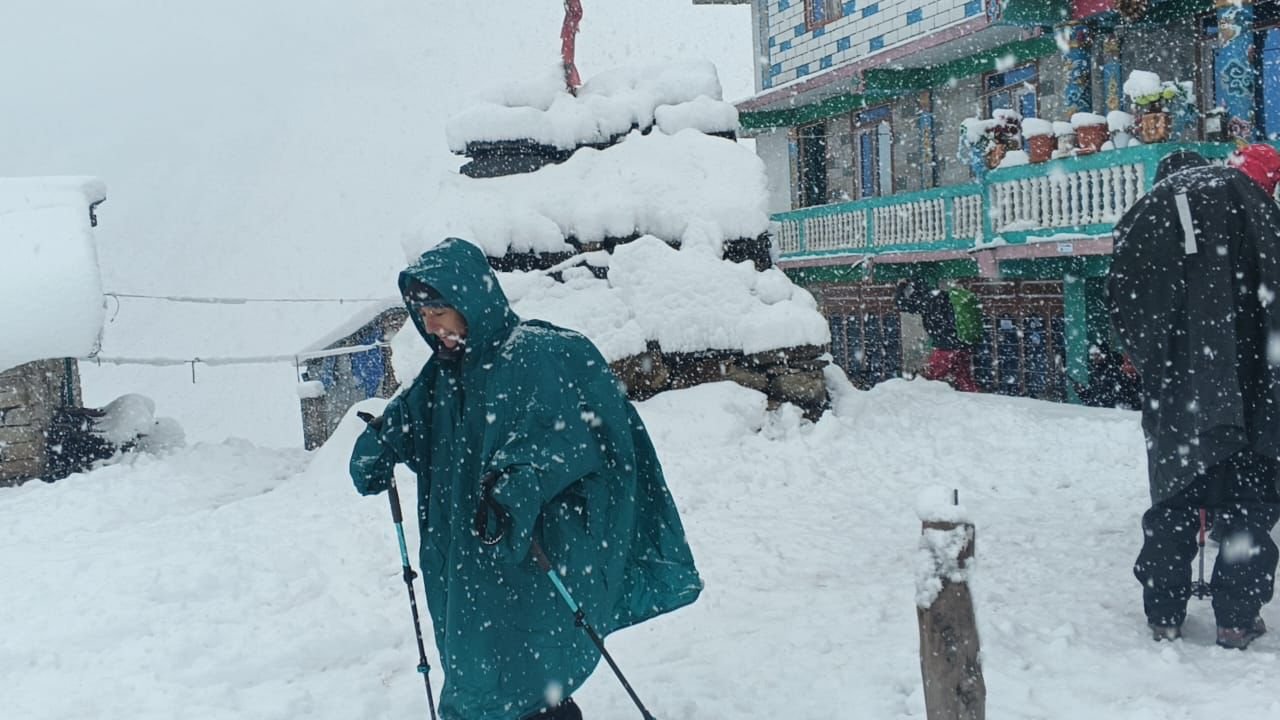
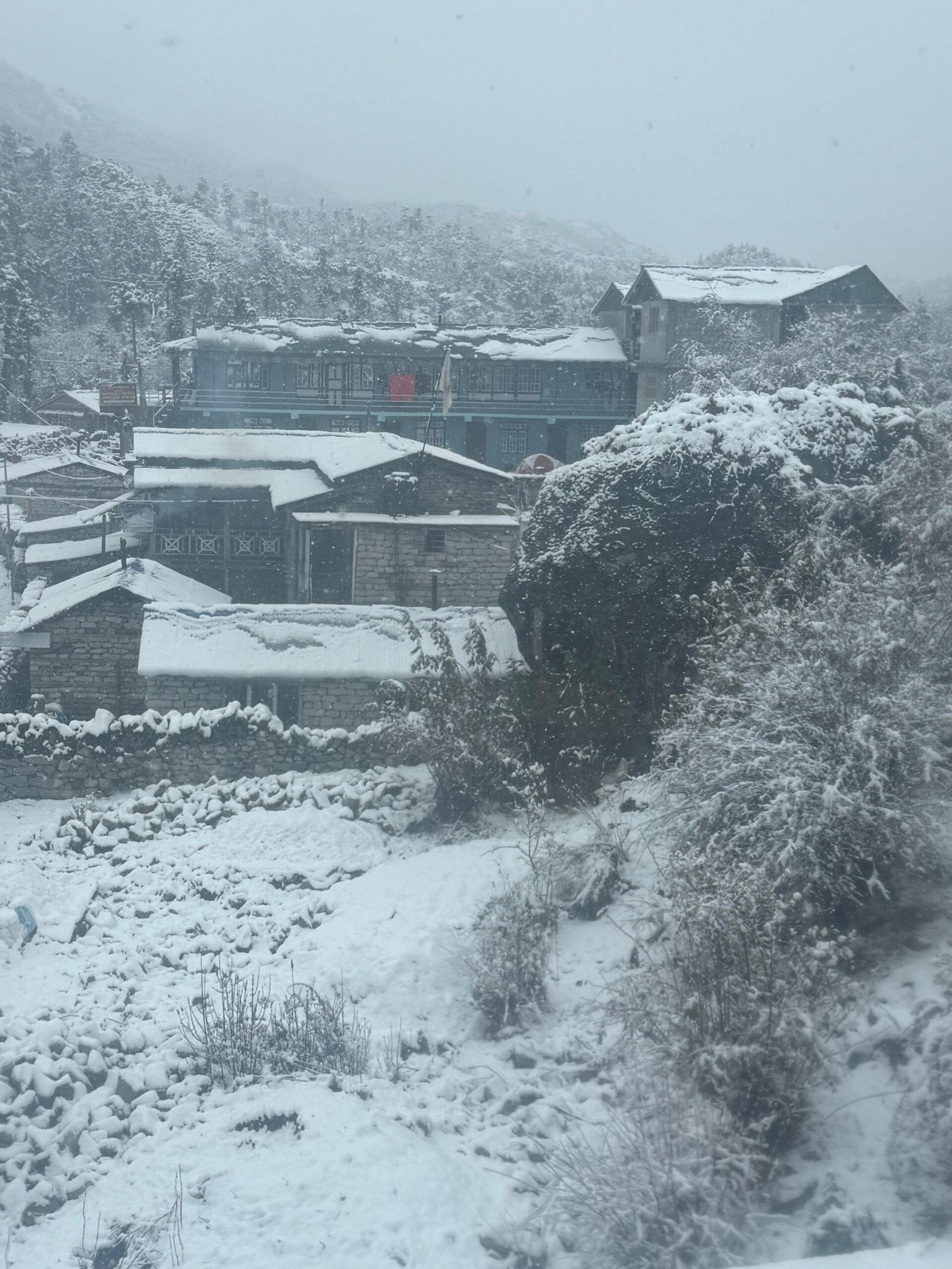
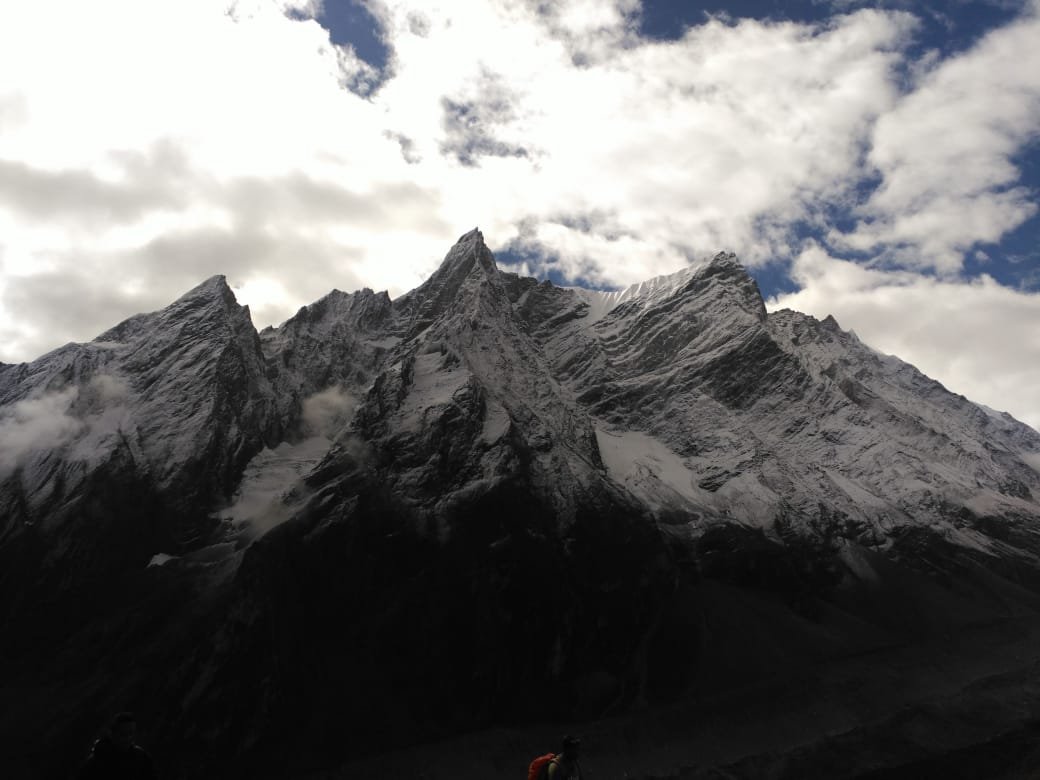
A powerful late-season weather system has brought heavy snowfall and rain across much of the central Himalayas, including the Manaslu and Annapurna regions.
-
High-altitude sections of the trail, especially around Samdo, Dharmasala, and the Larkya La Pass, have experienced snow accumulation and temporary closures due to safety risks.
-
Temperatures:
-
Lower altitude (1,000 – 2,000 m): 15 °C – 25 °C daytime, 8 °C – 15 °C nighttime.
-
Mid-altitude (3,000 – 4,000 m): 5 °C – 15 °C daytime, sub-zero at night.
-
High-altitude (above 4,500 m): −10 °C – 5 °C, with strong winds and frost overnight.
-
-
Trail Hazards: Snow and ice above 4,000 m, minor landslides on lower slopes, and reduced visibility during storms or fog.
What It Means for Trekkers
-
Normally, October is among the best months for Manaslu — dry, clear, and cool. However, this year’s unseasonal snowfall has increased risk on upper trails.
-
Trekkers must build extra buffer days and be prepared for itinerary changes or temporary halts due to trail maintenance or safety restrictions.
-
Always consult your guide or local authorities before attempting the Larkya La Pass crossing.
Permit Requirements & Accessibility
-
The Manaslu region is a restricted area, so trekkers must travel with a registered trekking agency and be accompanied by a licensed guide.
-
Required permits include:
-
Restricted Area Permit (RAP) for Manaslu.
-
Manaslu Conservation Area Permit (MCAP).
-
Annapurna Conservation Area Permit (ACAP) if exiting via Dharapani.
-
-
Permit fees are season-based — autumn remains the peak period, with slightly higher costs.
-
Accessibility:
-
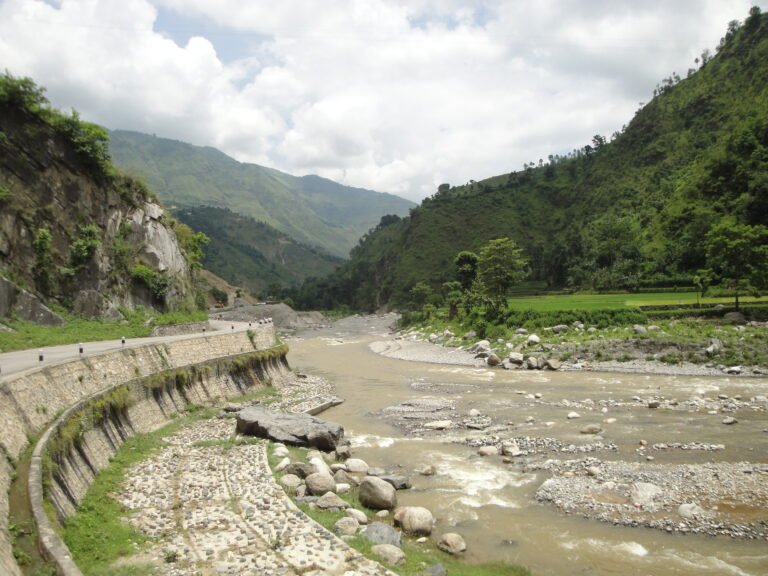
Some connecting roads between Arughat–Soti Khola and Jagat have been partially affected by rain and minor landslides.
-
Local transport (jeeps/buses) may experience delays.
-
Upper-trail tea houses may close temporarily if snow persists, so confirm accommodation in advance.
-
Crowds & Tourism Levels
-
Compared to the Everest and Annapurna regions, Manaslu still feels peaceful and remote, even in peak season.
-
However, due to the ongoing weather situation, the number of trekkers has decreased, making the trail quieter than usual for October.
-
While this means a more intimate mountain experience, it also means fewer active lodges and limited rescue resources, so proper preparation is essential.
Safety & Trekking Guidelines
✅ DOs for Trekkers
-
Hire an experienced guide — solo trekking is not allowed and highly unsafe in current conditions.
-
Check daily weather forecasts from your guide or local authorities.
-
Start early each day to avoid afternoon snowfall or fog buildup.
-
Acclimatize properly: take rest days in Namrung, Samagaon, or Samdo.
-
Carry safety equipment: micro-spikes, trekking poles, GPS, and an extra power source.
-
Keep communication open: share your itinerary with your agency or family, and use local SIM or satellite messaging if possible.
-
Stay hydrated and warm: drink plenty of fluids and wear layered clothing to adjust to fluctuating temperatures.
-
Include 1–2 buffer days in your itinerary in case of delays or blocked passes.
❌ DON’Ts for Trekkers
-
Don’t continue in heavy snowfall or whiteout conditions. Visibility drops fast and landmarks disappear above 4,000 m.
-
Don’t ignore local advice — if villagers or guides advise against crossing, wait or return.
-
Don’t trek alone or leave marked trails. It’s easy to get lost under snow.
-
Don’t rush acclimatization or skip rest days; altitude sickness risks are high with cold stress.
-
Don’t overpack or underpack. Carry essentials only, but ensure you have sufficient warmth, waterproofing, and nutrition.
-
Don’t rely solely on battery-based navigation — cold temperatures drain devices quickly.
Recommended Gear for October–November 2025
Essential Clothing & Equipment:
-
Waterproof hiking boots with strong grip
-
Down jacket (rated to −15 °C or lower)
-
Thermal base layers and fleece insulation
-
Waterproof shell jacket and pants
-
Warm hat, gloves, and neck gaiter
-
Trekking poles and micro-spikes
-
Four-season sleeping bag
-
Sunglasses, sunscreen, and lip balm
-
First-aid kit and altitude medication
-
Power bank and headlamp with extra batteries
-
Reusable water bottle and purification tablets
-
Emergency blanket or bivvy bag
If you’re wondering whether now is a good time to trek the Manaslu Circuit, the answer depends on your preparation and flexibility.
October 2025 brings both magnificent post-monsoon clarity and heightened weather challenges. The region remains one of Nepal’s most stunning and spiritual treks — but only for those ready to face the elements responsibly.
✅ Good to go if: you’re well-equipped, traveling with a guide, and adaptable to delays.
⚠️ Consider postponing if: you lack winter gear, are trekking solo, or have a tight schedule.
Stay informed, stay humble in the mountains, and prioritize safety over summits.
The Himalayas will always be there — make sure you are too.