
Everest Base Camp Nepal vs Tibet — A Complete Trekking Comparison for 2025 & Beyond
Standing beneath Mount Everest (8,848.86 m) is a lifelong dream for many adventurers. There are two main ways to reach its base — from Nepal, where you trek to the South Base Camp (5,364 m), and from Tibet, where you drive to the North Base Camp (5,150 m).
Both sides deliver unforgettable Himalayan views and rich cultural encounters, but they differ in access, altitude profile, difficulty, and overall style of journey. Whether you’re planning your Everest adventure in 2025 or simply comparing options, this in-depth guide to Everest Base Camp Nepal vs Tibet will help you choose the route that matches your travel style and aspirations.
If you want to explore more trekking ideas across Nepal, you can also check inspirational articles on Travelling Nepal, and for curated Everest trekking and tour packages, visit Rolling Adventure Holidays – Everest Region .
1. Geographical Access
🇳🇵 Everest Base Camp (South) — Nepal Side
The classic Nepal route starts with a thrilling flight from Kathmandu to Lukla (2,860 m), one of the most dramatic mountain airstrips in the world. From there, the trail follows the Khumbu Valley, winding through Sherpa settlements, suspension bridges, and glacial terrain before finally reaching Everest Base Camp at 5,364 m.
- Route: Kathmandu → Lukla → Namche Bazaar → Tengboche → Dingboche → Gorak Shep → Everest Base Camp
- Trek Duration: Around 12–14 days round trip
- Mode: Entirely on foot after Lukla — no road beyond the airstrip
For trekkers looking for complete immersion in the Himalayas, the Nepal side is a perfect match. You can also discover more treks and ideas in the Everest region on Rolling Adventure Holidays – Everest Destinations .
🇨🇳 Everest Base Camp (North) — Tibet Side
On the Tibetan side, access is largely road-based. Travelers usually fly or take the high-altitude train to Lhasa (3,650 m), then drive via Gyantse, Shigatse, and Rongbuk Monastery to Everest North Base Camp (5,150 m).
- Route: Lhasa → Shigatse → Tingri → Rongbuk Monastery → Everest North Base Camp
- Duration: About 5–7 days (overland journey with short acclimatization stops and optional hikes)
- Mode: Mostly by vehicle, with limited walking
Choose Nepal if you want a full trekking experience and deeper immersion in mountain trails. Choose Tibet if you prefer road access, shorter travel time, and sweeping views with less hiking.
2. Trekking Difficulty & Altitude
| Aspect | Nepal (South Base Camp) | Tibet (North Base Camp) |
|---|---|---|
| Maximum Altitude | 5,364 m (EBC) / 5,545 m (Kala Patthar) | 5,150 m (EBC) |
| Difficulty Level | Demanding — long ascents, rugged paths | Moderate — mostly driving, light walking |
| Acclimatization Need | Very high — gradual ascent is crucial | Very high — altitude increases quickly by vehicle |
| Trek / Trip Duration | 12–14 days | 5–7 days |
| Fitness Level | Good to excellent fitness recommended | Moderate fitness generally sufficient |
No matter which side you choose, altitude is serious. Build in extra acclimatization days in Namche Bazaar (Nepal) or Shigatse (Tibet). AMS (Acute Mountain Sickness) can affect travelers on both routes.
3. Scenic Landscapes
🏔️ Nepal: Immersive Himalayan Trails
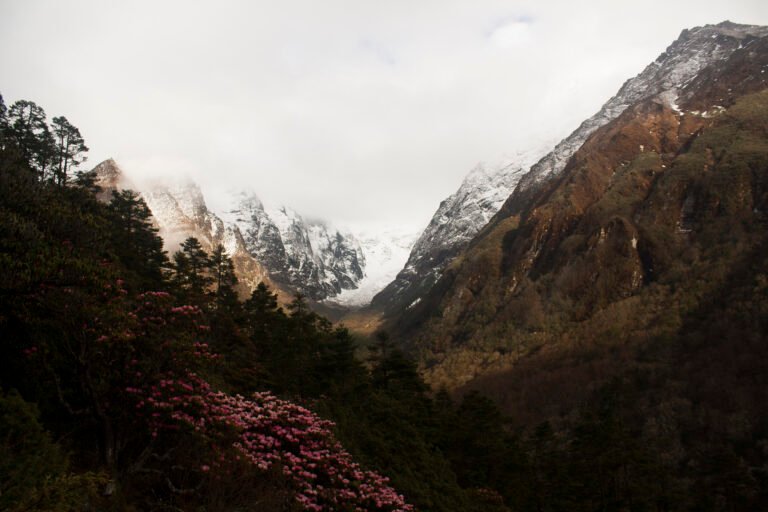
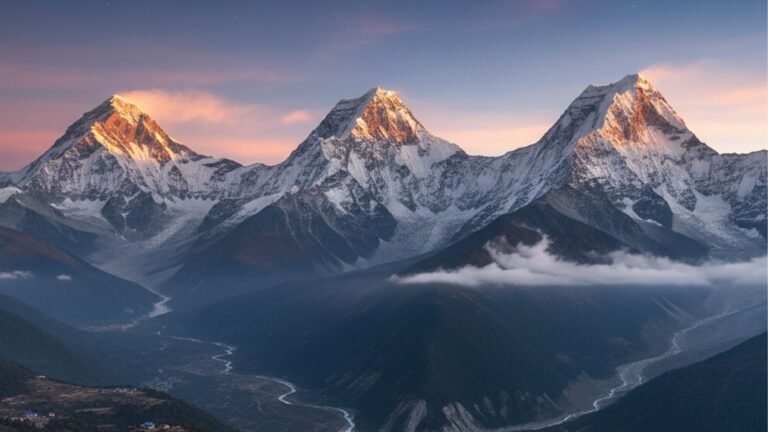
On the Nepal side, you are inside the mountains. The route takes you from green pine forests and rivers to high alpine landscapes, all under the shadow of towering peaks like Ama Dablam, Lhotse, Nuptse, and Everest.
- The dramatic Khumbu Icefall and sunrise views from Kala Patthar
- Snow-covered peaks circling traditional mountain villages
- Prayer flags, mani stones, and stupas lining the trail
🏜️ Tibet: Wide Plateaus & Grand Panoramas
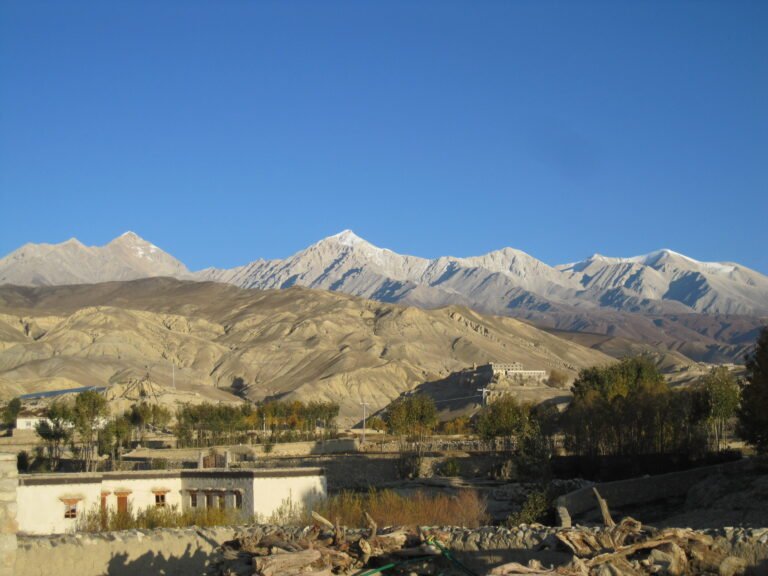
From Tibet, you gaze upon the iconic northern face of Everest, a full pyramid-shaped profile often seen in classic photographs. The Tibetan Plateau is vast and stark, with open skies and distant mountain walls.
- Rongbuk Monastery, the highest monastery in the world
- Broad, desert-like plains with Everest dominating the skyline
- Endless views over the Himalayan range from afar
Nepal offers closer, more intimate encounters with towering peaks and dramatic trails. Tibet delivers wide, cinematic panoramas and the classic full view of Everest’s North Face.
4. Cultural Experience
🏡 Nepal: Sherpa Culture & Everyday Mountain Life
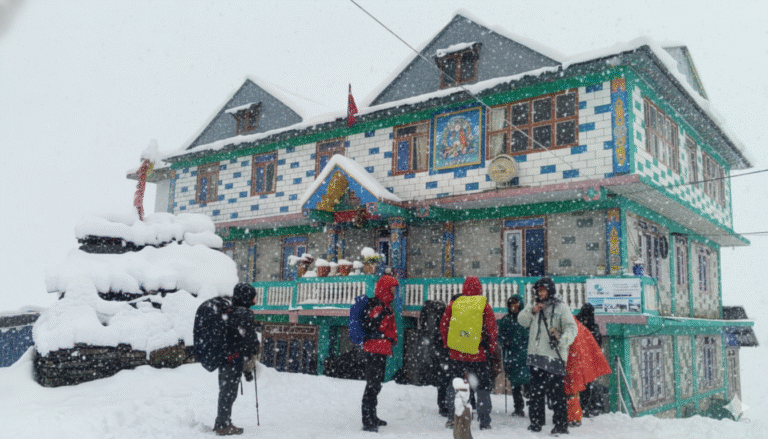
The Khumbu region is the homeland of the Sherpa people — renowned climbers and devout Buddhists. As you trek, you experience daily life in remote villages.
- Tengboche Monastery, with its serene chanting and butter lamps
- Mani walls, prayer wheels, and countless chortens along the path
- Family-run tea houses where trekkers share meals, stories, and warmth
🕍 Tibet: Monastic Traditions & Tibetan Buddhism
The Tibet route offers a window into the depth of Tibetan Buddhism and centuries-old monasteries.
- Potala Palace in Lhasa, the historic residence of the Dalai Lama
- Rongbuk Monastery, perched near Everest’s North Base Camp
- Pilgrims prostrating along the roads, engaged in long spiritual journeys
Pick Nepal for friendly village life, teahouse stays, and close interaction with local families. Pick Tibet for monumental monasteries, religious heritage, and a more formal spiritual atmosphere.
5. Permits & Restrictions
| Requirement | Nepal (South Base Camp) | Tibet (North Base Camp) |
|---|---|---|
| Main Permits | TIMS Card + Sagarmatha National Park Permit | Tibet Travel Permit + Alien Travel Permit + Everest Permit |
| Guided Tour | Not compulsory, but highly recommended | Compulsory — must book via authorized Tibetan agency |
| Access | Generally open year-round, aside from severe weather | Depends on Chinese government regulations and occasional closures |
| Independent Travel | Independent trekking allowed | Independent travel not permitted |
For Tibet, travelers must join an organized tour with a licensed Tibetan guide and approved itinerary.
6. Costs & Logistics
| Category | Nepal (South Base Camp) | Tibet (North Base Camp) |
|---|---|---|
| Average Package Cost (14 days) | Approx. $1,200–$1,800 USD | Approx. $1,800–$2,500 USD |
| Accommodation | Simple tea houses and mountain lodges | Hotels or guesthouses (often part of tour package) |
| Meals | Ordered from local teahouse menus | Frequently included within tour cost |
| Transport | Domestic flight to Lukla + possible jeep/taxi transfers | Overland drive from Lhasa (after flight/train to Lhasa) |
| Visas | Nepal Tourist Visa available on arrival | Chinese Visa + Tibet Travel Permit required |
Nepal offers more flexibility for budget and style (from basic to more comfortable), while Tibet tends to be costlier due to permits, regulations, and mandatory guided services.
7. Best Time to Visit
| Season | Nepal (South Base Camp) | Tibet (North Base Camp) |
|---|---|---|
| Spring (Mar–May) | Ideal conditions, blooming rhododendrons, good visibility | Clear skies and comfortable temperatures |
| Autumn (Sep–Nov) | Stable weather, crisp air, some of the best views | Cooler but generally clear and dry |
| Winter (Dec–Feb) | Very cold; some lodges may shut down | Extremely cold; access can be difficult |
| Monsoon (Jun–Aug) | Rain and cloud in lower elevations; higher areas can still be trekked | Drier plateau, but occasional political or road restrictions |
8. Wildlife, Environment & Sustainability
Nepal Side
The Sagarmatha region shelters Himalayan tahr, musk deer, colorful danphe (the national bird), and elusive snow leopards. Trekkers are encouraged to:
- Use refillable water bottles
- Avoid single-use plastics
- Support eco-conscious lodges and local businesses
Tibet Side
Wildlife is sparser, with sightings typically limited to Tibetan antelope, yaks, and hardy high-altitude species. The environment is fragile and sacred, especially near monasteries.
- Minimize waste and litter
- Behave respectfully around religious sites and local communities
On both sides, following Leave No Trace principles is essential: pack out your rubbish, stay on trails, and respect both nature and culture.
9. Everest Base Camp Nepal vs Tibet — Quick Comparison
| Feature | South Base Camp (Nepal) | North Base Camp (Tibet) |
|---|---|---|
| Access | Fly to Lukla, then trek | Drive from Lhasa by road |
| Elevation | 5,364 m | 5,150 m |
| Trek / Trip Duration | 12–14 days | 5–7 days |
| Difficulty | Physically demanding trekking | Moderate; more driving, less walking |
| Culture | Sherpa villages, local monasteries | Tibetan Buddhism, historic monasteries |
| Accommodation | Tea houses & mountain lodges | Hotels and guesthouses |
| Permit Type | TIMS + National Park permits | Tibet & Everest permits (tour-based) |
| Scenery | Close-up peaks, glaciers, Khumbu Icefall | Vast plateau, full Everest North Face views |
| Cost | Lower (~$1,200–$1,800) | Higher (~$1,800–$2,500) |
| Best Season | Spring & Autumn | Late Spring & Autumn |
| Independence | Independent trekking possible | Guided tour required |
10. Which Route Should You Choose?
🧗♂️ Choose the Nepal Route if you want…
- A genuine, multi-day Himalayan trekking adventure
- Deep interaction with Sherpa culture and local Buddhist traditions
- Close, dramatic views of Everest, Lhotse, and Ama Dablam
- Cozy tea house evenings and the satisfaction of earning each viewpoint on foot
Best for: Adventure seekers, photographers, culture-focused travelers, and those dreaming of a classic Himalayan trek. You can also pair your EBC trek with other routes featured on Travelling Nepal for a longer Himalayan holiday.
🚙 Choose the Tibet Route if you prefer…
- A more accessible journey with less walking and more driving
- Grand, wide-angle views of Everest’s North Face
- Powerful spiritual moments at Rongbuk Monastery and other Tibetan sites
- A shorter, more structured trip with organized logistics
Best for: Time-pressed travelers, older visitors, or those wanting a scenic, spiritual overland journey rather than a long trek.
11. Travel Tips for Both Routes
- Acclimatize wisely: Add extra nights at mid-altitude stops.
- Layer up: Weather above 3,000 m can swing from sunny to snow in hours.
- Stay hydrated: Aim for 3–4 liters of fluid per day.
- Carry cash: ATMs become rare once you leave major towns.
- Respect local customs: Walk clockwise around stupas, ask before photographing people, and avoid touching sacred objects.
- Be eco-friendly: Refill water where possible, skip disposable plastics, and support responsible local operators.
12. Conclusion
The South Base Camp in Nepal and the North Base Camp in Tibet reveal two contrasting yet equally powerful perspectives of Mount Everest.
- Nepal offers a personal, trail-based connection — days of walking, meeting Sherpa communities, and slowly approaching the world’s highest peak.
- Tibet provides a sweeping, spiritual vantage point — ancient monasteries, endless plateaus, and majestic views of Everest’s northern face.
Whichever route you choose for your Everest journey in 2025 and beyond, you will stand before this legendary mountain feeling humbled, inspired, and transformed by the experience.