Food and Dining on the Manaslu Circuit Trek — What to Eat, Where to Find It, and Why It Matters
The Manaslu Circuit Trek — circling Nepal’s eighth-highest peak — is more than a journey through mountains; it’s a cultural and culinary adventure. As you trek from lush river valleys to the windswept Larkya La Pass (5,160m), your body works overtime to adapt to the altitude and demands of the trail. What keeps you going isn’t just stamina — it’s food.
Food in the Manaslu region is a story of resilience, culture, and nourishment. Every meal cooked in a stone-and-wood kitchen carries warmth from local families, offering trekkers both energy and comfort. In this guide, we’ll explore what to eat, where to find it, and why food truly matters on your Manaslu adventure.
🍛Types of Food Available on the Manaslu Circuit
On the Manaslu Circuit Trek, nearly every village has tea houses serving fresh, home-cooked meals made with locally grown grains, vegetables, and Himalayan herbs. Menus are simple yet hearty — exactly what a trekker’s body needs.
🥘 Traditional Nepali Meals
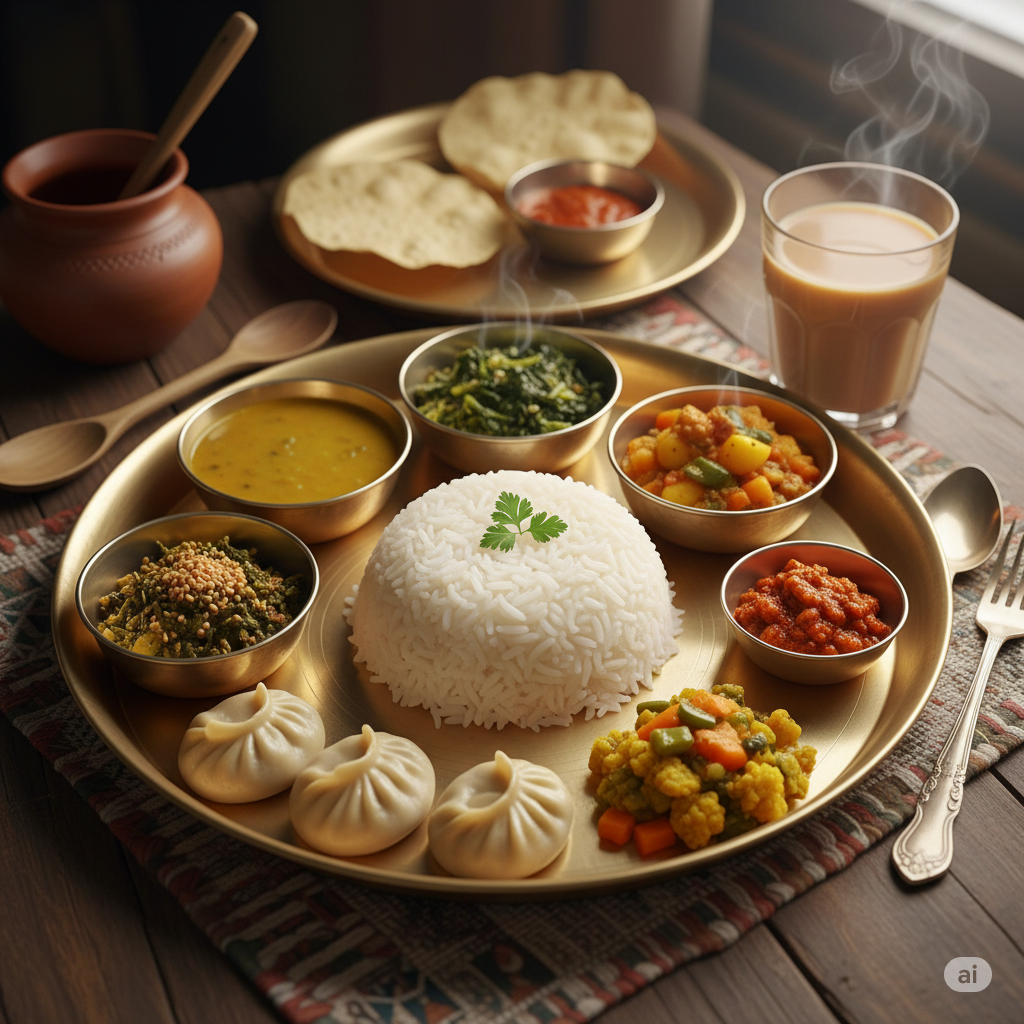
Dal Bhat Tarkari: The undisputed king of Nepali trekking food — rice, lentil soup, vegetable curry, and pickles, served with endless refills.
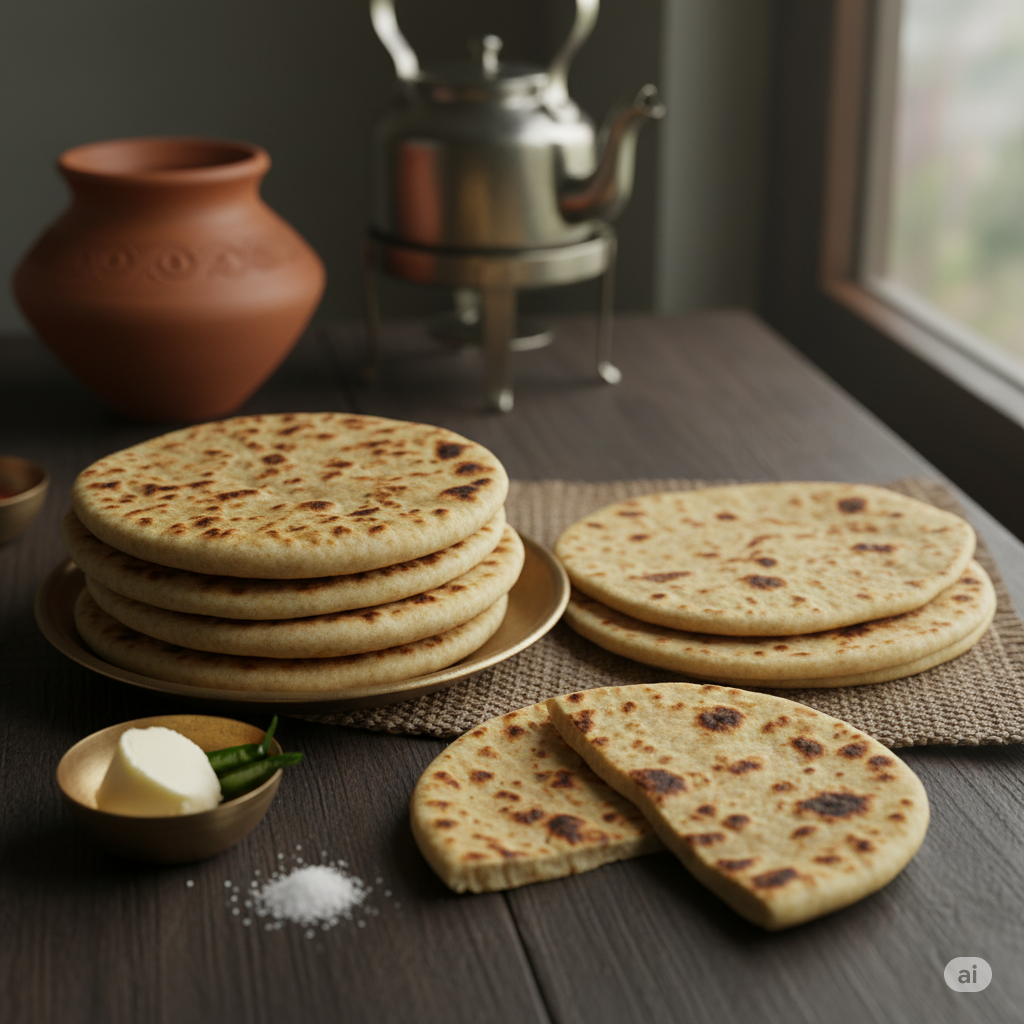
Roti or Chapati: Whole-wheat flatbread often paired with curry or omelets.
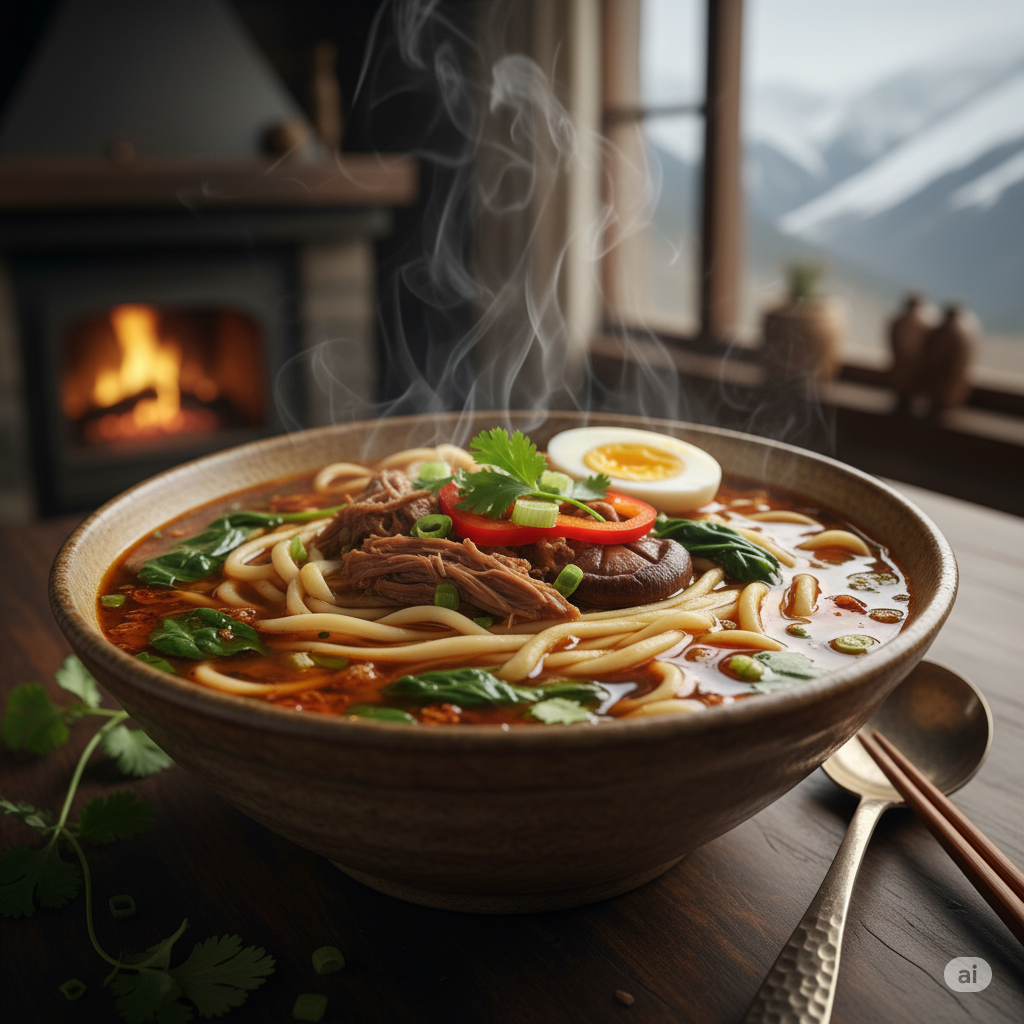
Thukpa: A Tibetan noodle soup with vegetables or meat — perfect for cold evenings.
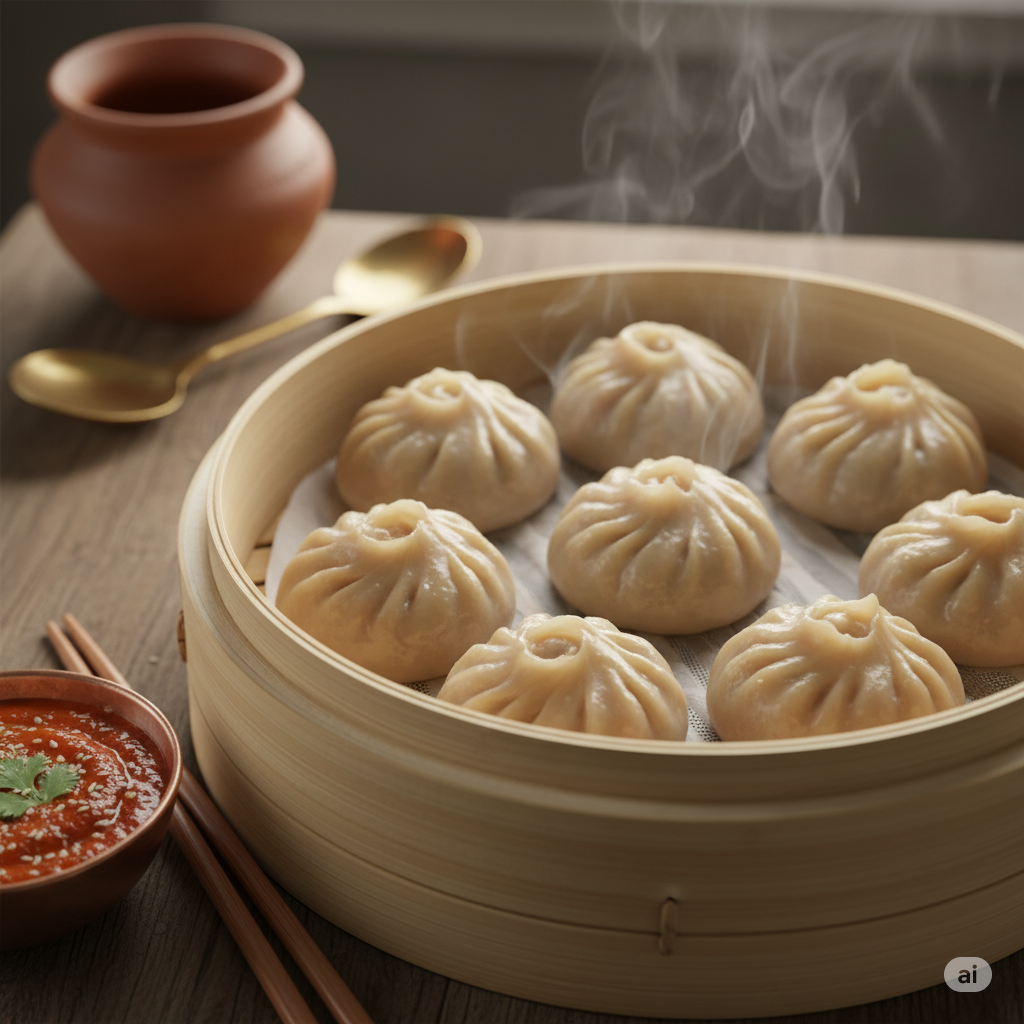
Momo: Steamed dumplings filled with vegetables, cheese, or meat.
Tibetan Bread: Fried bread often eaten at breakfast with jam, honey, or eggs.
🍝 Western & Fusion Options
As you move up toward Namrung, Lho, and Samagaun, menus expand to include:
Pasta and macaroni
Fried rice or noodles
Pancakes and porridge
Toast, omelets, and boiled eggs
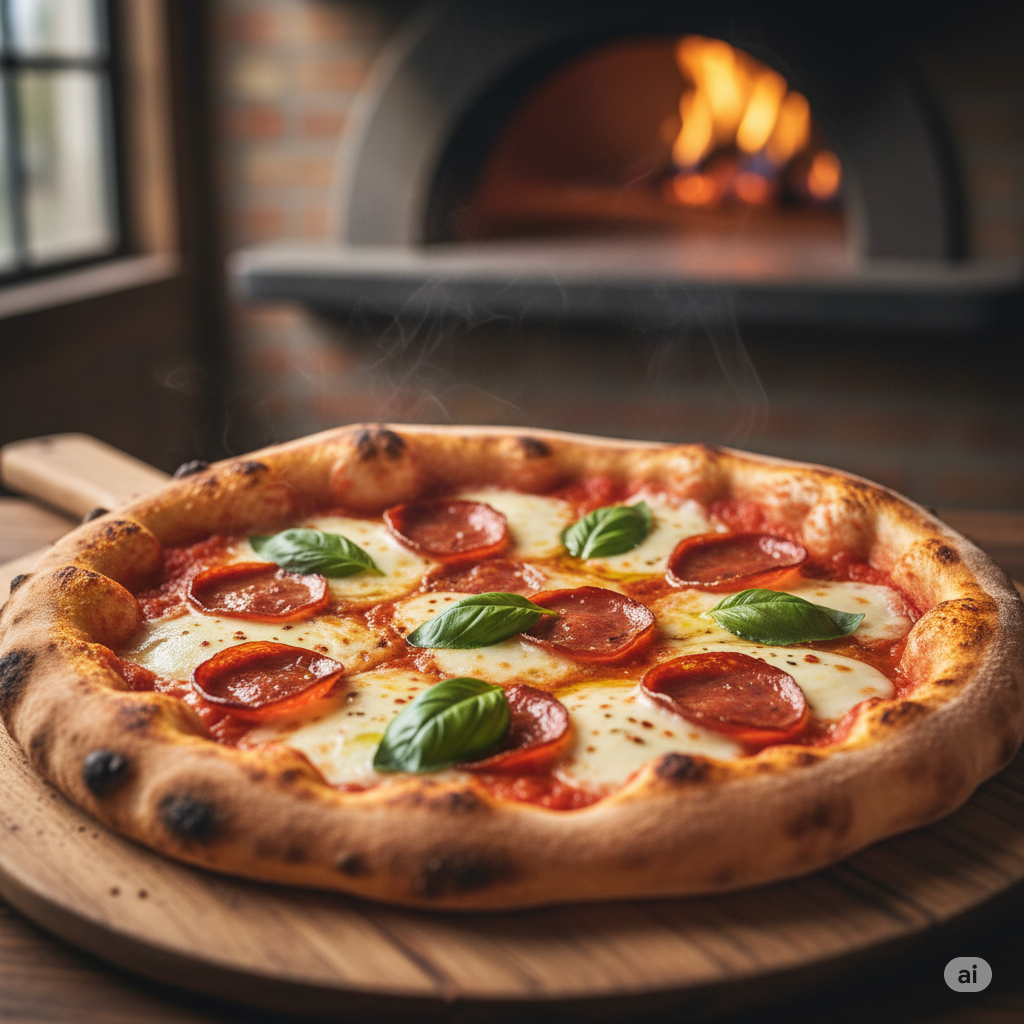
Occasionally, pizza or yak cheese sandwiches in larger villages
🥦 Vegetarian & Vegan Options
Vegetarian food is widely available — especially dal bhat, vegetable curries, noodles, and soups. Vegan trekkers can request no ghee, eggs, or milk products; locals are accommodating when informed kindly.
☕ Snacks & Drinks
Tea: Black, milk, ginger, lemon, or the famous yak butter tea.
Coffee: Instant in most villages; ground coffee in higher lodges.
Energy boosters: Chocolate bars, peanut biscuits, and dried fruit.
Homemade treats: Apple pie or pancake with honey in Namrung and Samagaun.
🏔️ Food Availability by Altitude & Village
As you ascend the Manaslu Circuit Trek, the menu changes with altitude. Lower regions benefit from road access and fresh produce, while higher villages rely on ingredients carried by mules or porters.
| Trek Section | Typical Meals | Highlights |
|---|---|---|
| Soti Khola → Jagat | Dal bhat, noodles, eggs, soups | Fresh vegetables, rice, and bananas easily available |
| Deng → Namrung | Thukpa, momos, rice dishes | Simple yet hearty food, more limited variety |
| Lho → Samagaun (3,500–3,600m) | Pancakes, pizzas, yak cheese, Tibetan bread | Expanding menus, cozy tea houses |
| Samdo → Larkya Phedi | Soups, rice, thukpa, potatoes | Limited vegetables, rely on carbs for energy |
| Larkya Pass → Dharapani | Similar to Annapurna menus | Combination of Nepali and Western dishes |
💧 Water & Hygiene Tips
Always drink boiled or filtered water.
Carry water purification tablets or LifeStraw bottles.
Avoid raw salads or unpeeled fruits at high altitudes (they may be washed with untreated water).
Stick to freshly cooked meals; tea houses generally prepare food to order.
💪 Nutritional Importance During the Trek
Trekking in the Himalayas burns up to 3,000–4,000 calories per day. A balanced diet keeps you energized, improves acclimatization, and helps prevent Altitude Mountain Sickness (AMS).
🍚 Carbohydrates — The Mountain Fuel
Rice, potatoes, noodles, and pasta are your best friends. Carbs provide the steady energy needed for long climbs.
🍳 Proteins — Muscle Repair & Strength
Eggs, lentils, beans, yak cheese, and chicken (available in lower regions) support recovery after each day’s hike.
🥕 Vitamins & Hydration
Fruits are rare above 3,000m, so supplement with:
Ginger or lemon tea for digestion
Garlic soup to improve circulation
Plenty of water — at least 3–4 liters per day
⚡ Quick Nutrition Tips
Eat small but frequent meals.
Carry snacks like energy bars or roasted soybeans (bhatmas).
Avoid alcohol before crossing Larkya La Pass — it dehydrates and affects altitude adaptation.
💰Cost & Meal Budget
Prices rise with altitude because every ingredient must be carried uphill. Below is an approximate cost breakdown (as of 2025):
| Meal Type | Cost (USD) | Notes |
|---|---|---|
| Breakfast (porridge, tea, eggs) | 5–7 | Simple and energizing |
| Lunch (dal bhat or noodles) | 7–10 | Hearty and filling |
| Dinner (soup, pasta, curry) | 8–12 | Usually same place as lodging |
| Hot drinks (tea/coffee) | 2–4 per cup | Thermos is cheaper |
| Bottled water | 1–3 | Better to refill boiled water |
💡 Daily food budget: $25–40 per person, depending on appetite and tea house comfort.
💧 Eco Tip: Bring a reusable bottle and ask for boiled refills instead of buying plastic.
🕯️ Cultural & Culinary Insights
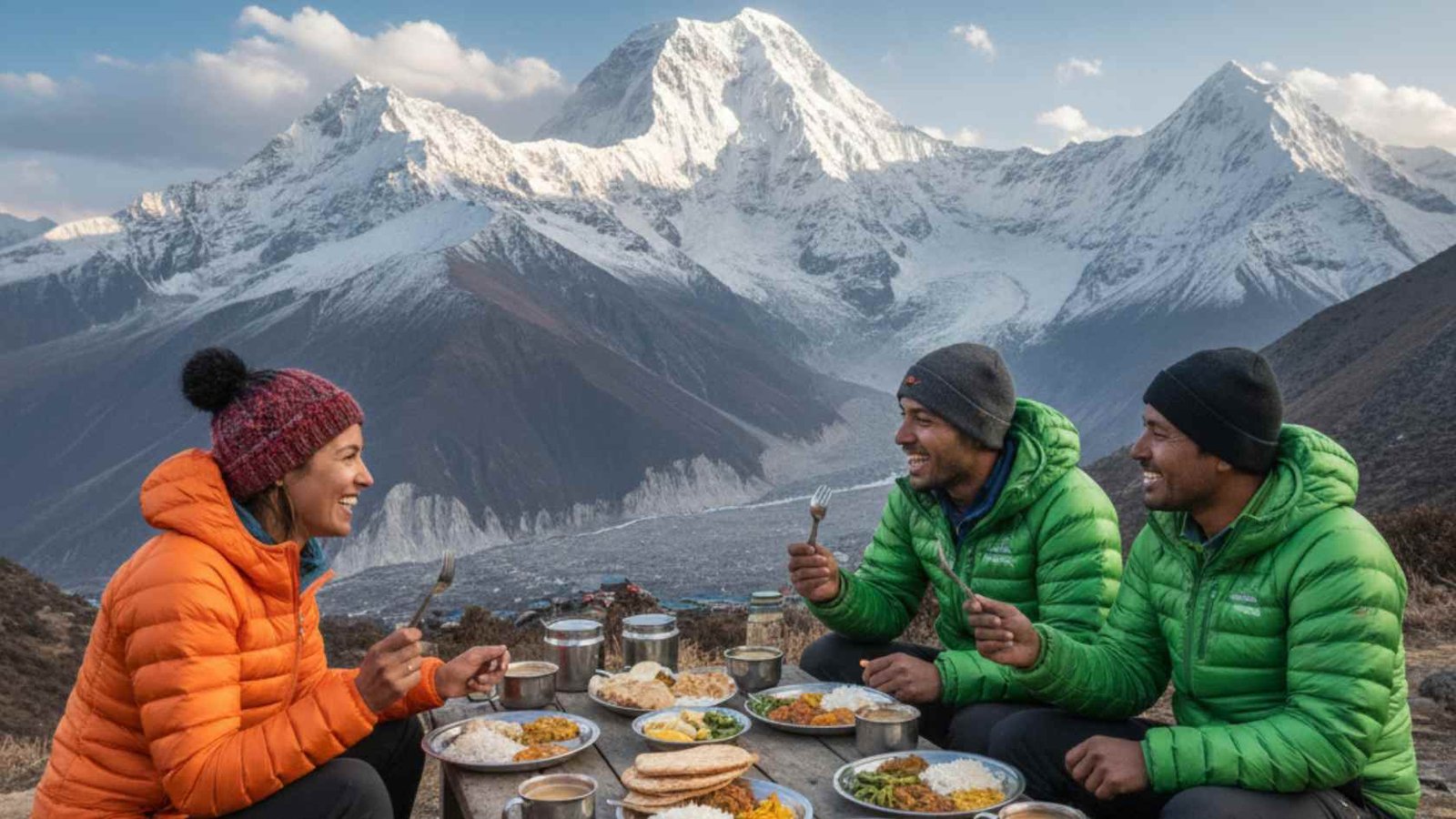
Food in the Manaslu region is shaped by Tibetan, Gurung, and Nubri influences. Meals are simple but soulful, cooked over wood-fire stoves in smoky kitchens where trekkers and locals gather to share warmth and stories.
🍲 Local Hospitality
In villages like Lho and Samagaun, expect genuine hospitality — your host might offer a taste of chhyang (local millet beer) or yak butter tea as a sign of friendship.
🌾 Farm-to-Table Freshness
Much of what you eat — spinach, buckwheat, potatoes, and barley — is grown in terraced fields surrounding the tea house. This makes each meal not only fresh but also sustainable.
♻️ Sustainable Dining Practices
Support community-run tea houses.
Avoid ordering meat above Namrung, as it’s often carried unrefrigerated from lower altitudes.
Choose vegetarian options for both health and environmental reasons.
Food on the Manaslu Circuit isn’t just nourishment — it’s part of the cultural rhythm of mountain life.
🌿 Conclusion
When trekking through Manaslu, you’ll discover that food is more than fuel — it’s an experience that connects you to the land and people. From the first cup of sweet milk tea in Machha Khola to your celebratory dal bhat after Larkya Pass, every bite tells a story of endurance, culture, and Himalayan simplicity.
So, eat well, eat local, and trek mindfully.
For authentic, sustainable, and culinary-rich trekking experiences, plan your adventure with Enticing Himalayas Travels or Travelling Nepal — where every trek feeds both your body and your soul.
❓ FAQs: Food on the Manaslu Circuit Trek
Q1: What kind of food is available on the Manaslu Circuit Trek?
You’ll find Nepali staples like dal bhat, noodles, soups, and Tibetan bread, along with Western meals such as pancakes and pasta in higher villages.
Q2: Can vegetarians find food on the Manaslu trek?
Yes. Vegetarian options are widely available, and many trekkers prefer them for hygiene and altitude adaptation.
Q3: How much does food cost on the Manaslu Circuit?
Expect to spend around USD 25–40 per day for three meals and drinks. Prices increase with altitude.
Q4: Is meat safe to eat on the trek?
Below Namrung, yes — but avoid it above 3,000m due to transport and storage limitations.
Q5: What drinks are recommended?
Boiled water, tea (ginger, lemon, black), garlic soup, and hot chocolate for warmth and energy.