Pashupatinath Temple — Amazing Rituals to Respect on a Kathmandu City Tour 2025/2026
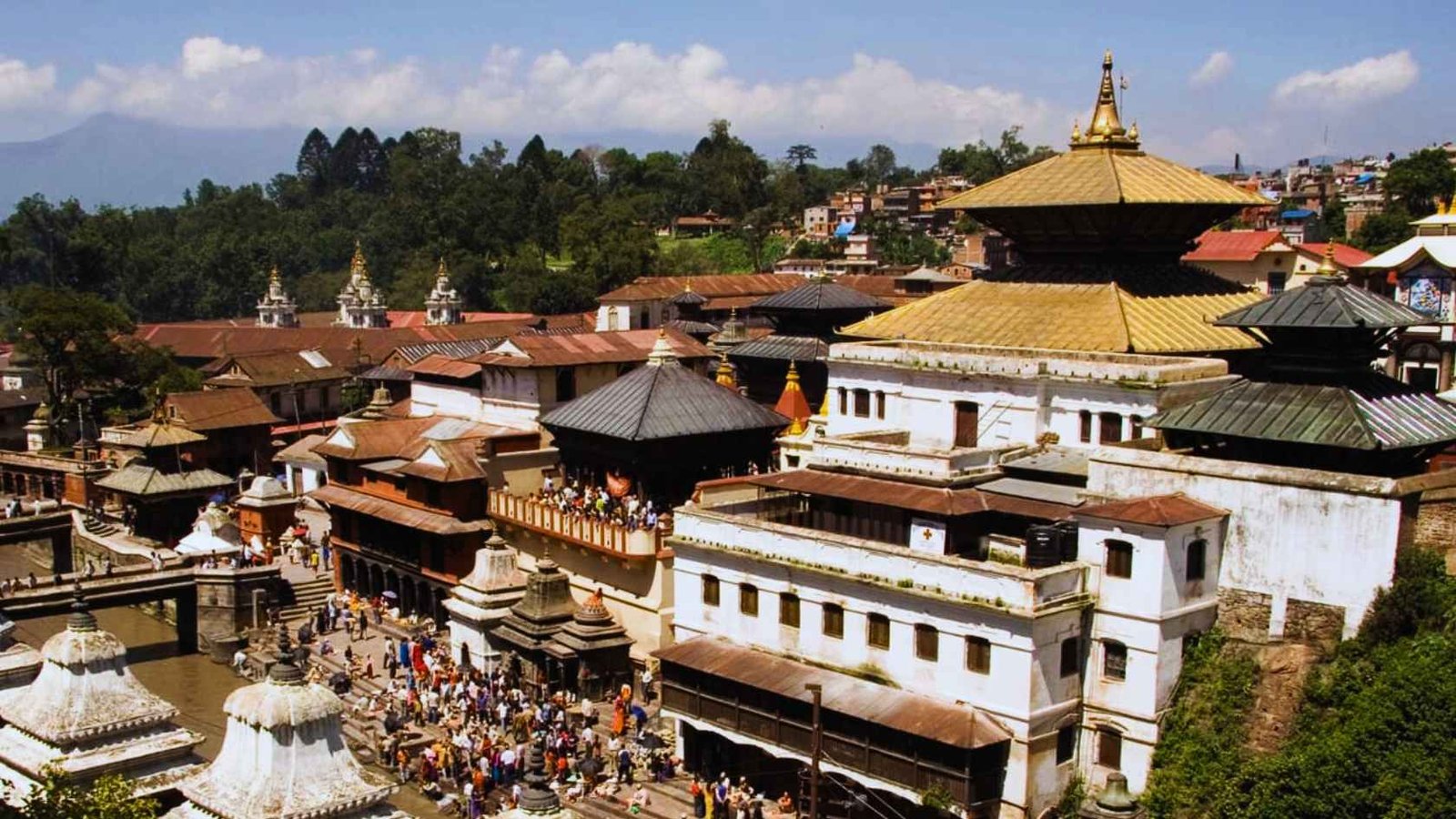
On the eastern banks of the Bagmati River, incense smoke curls into the morning sky as conch shells echo from the courtyards of Pashupatinath Temple — one of the world’s most sacred shrines dedicated to Lord Shiva. A visit here isn’t just a sightseeing stop on your Kathmandu city tour; it’s a spiritual encounter that reveals Nepal’s living faith, cultural depth, and reverence for life and death.
Designated a UNESCO World Heritage Site, Pashupatinath is both an architectural wonder and a profound spiritual center. For Hindus across the globe, it holds the same importance as Varanasi in India — a gateway to liberation (moksha). For travelers, it’s a place to observe devotion, discipline, and the rhythm of everyday spirituality — provided they do so with understanding and respect.
🕉️ The Cultural & Spiritual Significance of Pashupatinath
“Pashupati” means Lord of All Living Beings — a compassionate form of Lord Shiva, protector of all creation. The temple complex, believed to date back to the 5th century, stands as Nepal’s spiritual heart, attracting saints, ascetics, and pilgrims year-round.
The golden-roofed pagoda-style temple, sacred lingams, and hundreds of shrines scattered along the riverbanks make Pashupatinath not only a site of worship but also a microcosm of Hindu philosophy — where birth, devotion, and death are seen as parts of one eternal cycle.
Pilgrims come here to seek blessings, offer prayers, and bathe in the Bagmati River, believing that one dip cleanses a lifetime of sins. During Maha Shivaratri, the entire complex glows with oil lamps and chants, as thousands of sadhus (holy men) gather to honor Lord Shiva.
🔥 Daily Rituals at Pashupatinath: A Living Temple
Life at Pashupatinath moves to the rhythm of ritual and devotion — from dawn to dusk, each moment is filled with spiritual activity.
🌄 Morning Prayers and Offerings
As the first light touches the temple’s golden spire, priests perform abhishek (ritual bathing of the Shiva lingam) with milk, honey, and holy water. Devotees chant mantras, ring bells, and offer marigolds and bel leaves — sacred to Shiva.
🌇 Evening Aarti on the Bagmati River
The Pashupatinath Aarti is one of the most mesmerizing spiritual experiences in Kathmandu. As night falls, priests dressed in saffron robes light oil lamps, moving them rhythmically to the sound of conch shells, cymbals, and devotional songs. The reflection of firelight dances on the river, uniting hundreds of worshippers and onlookers in a moment of transcendence.
Visitors may stand quietly by the banks, join in the chants, or simply absorb the peaceful yet powerful energy that fills the air.
⚱️ Cremation Rituals: Understanding the Sacred Cycle
Downstream along the Arya Ghat, open-air cremation ceremonies take place daily. Families perform last rites for their loved ones, believing that cremation beside the sacred Bagmati ensures the soul’s passage toward liberation.
While visitors may quietly observe from a respectful distance, this is a moment of mourning and spiritual transition — not a spectacle. Photography here is strictly discouraged. Maintaining silence and distance honors both the deceased and their family’s privacy.
👣 Dress Code, Etiquette & Camera Rules
Pashupatinath is an active place of worship — not a museum. Respectful behavior ensures harmony between visitors and devotees.
👗 Dress Modestly:
- Wear long pants or skirts and cover shoulders and chest.
- Avoid sleeveless tops, short dresses, or revealing attire.
- Neutral colors are best; avoid bright red or flashy designs.
🚫 Footwear & Entry:
- Remove your shoes before entering temple courtyards or shrines.
- Non-Hindus are not allowed inside the main sanctum (the inner golden pagoda). However, visitors can view it from the eastern bank across the Bagmati River.
📸 Photography Rules:
- No photos of cremations, holy men without permission, or the main sanctum.
- You may photograph general architecture or river views from respectful angles.
🤫 Behavior Inside the Complex:
- Keep your voice low and avoid interrupting prayers or rituals.
- Refrain from touching religious statues or offerings.
- Avoid public displays of affection — it’s considered disrespectful in a sacred setting.
🙌 Dos and Don’ts for Visitors
✅ Dos | ❌ Don’ts |
Walk clockwise around shrines (following the sun’s path). | Don’t step on prayer mats or sacred symbols. |
Make a small donation or offering respectfully. | Don’t give money directly to sadhus unless you wish to — some expect tips for photos. |
Observe Aarti or rituals quietly from designated areas. | Avoid sitting or eating near cremation ghats. |
Hire a licensed local guide to understand rituals and legends. | Don’t bring pets, alcohol, or tobacco products inside the temple complex. |
Greet devotees or monks with a gentle “Namaste.” | Don’t use drones or loud cameras. |
🧘♂️ The Value of a Local Guide
A local guide transforms your visit from mere sightseeing into a journey of understanding. Certified temple guides can explain the symbolism of the Shiva lingam, the purpose of cremation ghats, and the meaning behind the Aarti rituals.
They’ll help you navigate lesser-known courtyards, hidden shrines, and rooftop viewpoints — while ensuring you respect every local custom. Guides also serve as cultural bridges, interpreting gestures, chants, and ceremonies that might otherwise remain mysterious to foreign visitors.
🌺 Cultural Etiquette & Respectful Engagement
Visiting Pashupatinath Temple is an opportunity to experience Hindu spirituality in its purest form. Here, life and death coexist with calm acceptance, and every act — from lighting a butter lamp to whispering a prayer — carries deep significance.
Travelers who approach this sacred place with humility and curiosity often leave with a quiet sense of awe. The essence of visiting isn’t just observation — it’s participation through silence, respect, and mindfulness.
Remember: in Nepal, reverence is expressed through stillness and attention, not through words or photographs.
🕰️ : Visiting Pashupatinath Temple
📍 Location: 5 km east of Thamel; 3 km west of Tribhuvan International Airport.
🚗 Getting There:
- By taxi: 15–20 minutes from Thamel (~NPR 500–700).
- By walking tour: Combine with Boudhanath Stupa (just 2 km away).
🕐 Opening Hours: 4:00 AM – 9:00 PM
🕯️ Best Time to Visit:
- Early morning (before 8 AM) for peace and photography.
- Evening (6–7 PM) for the Bagmati Aarti ceremony.
🎟️ Entrance Fee: NPR 1,000 for foreign nationals (free for Indians).
👕 Dress Code: Modest clothing covering shoulders and knees; no leather belts or bags inside sanctums.
🌤️ Best Season: October–April (dry, pleasant weather). Avoid monsoon months (June–August).
🪷 Conclusion
Pashupatinath Temple is more than an ancient monument — it’s the spiritual heartbeat of Kathmandu. Here, devotion and discipline intertwine, offering profound insights into Hindu philosophy and Nepalese culture.
For travelers, the experience is both humbling and transformative. By following the temple’s rituals, dress codes, and etiquette, you don’t just show respect — you become part of the sacred harmony that defines Nepal’s spiritual soul.


Post Comment