Annapurna Base Camp Trek 2026: Itinerary, Difficulty & What to Pack
Complete guide: Annapurna Region Treks: Complete Guide
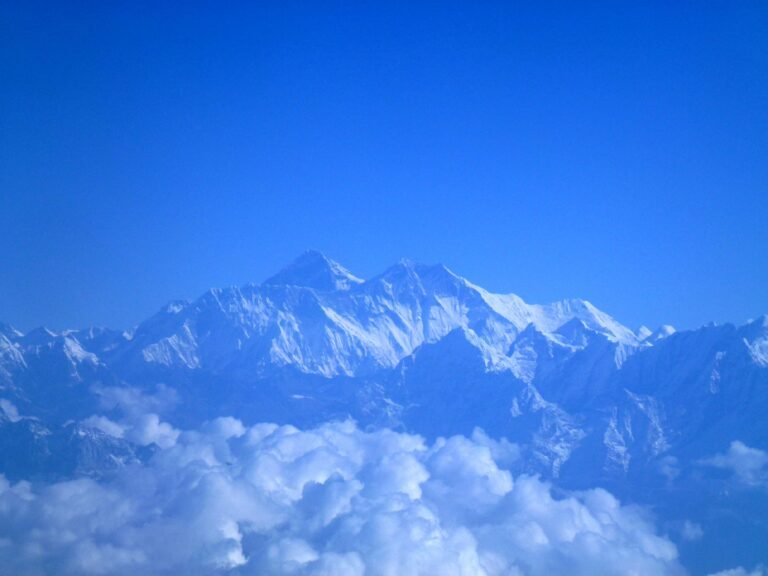
What is the Annapurna Base Camp trek? The Annapurna Base Camp (ABC) trek is a 7 to 13 day teahouse trek in central Nepal ending at the 4,130 m Annapurna Sanctuary, a natural amphitheater ringed by Annapurna I (8,091 m), Machhapuchhre and Hiunchuli. Most people start from Pokhara, sleep in family-run teahouses every night, and need only two permits. Here is the practical 2026 breakdown: routes, a day by day outline, difficulty, costs, permits and what to pack.
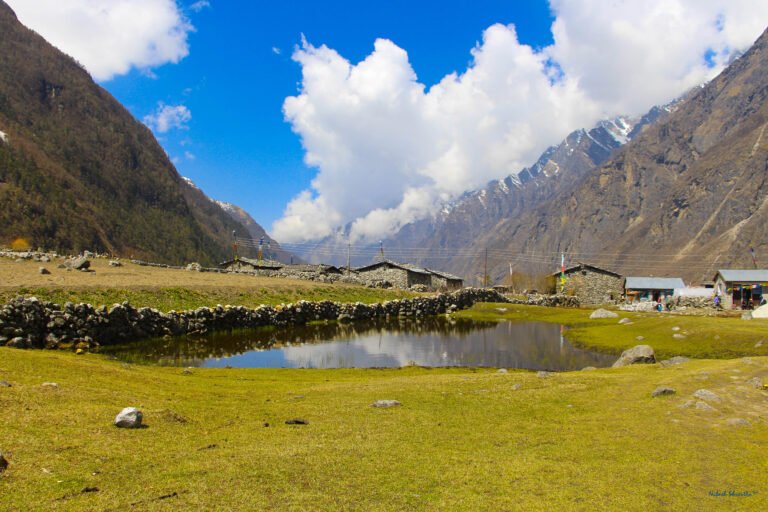
ABC goes deep into the heart of the range rather than around it, which is what separates it from the Annapurna Circuit. In five or six days of walking the trail climbs from subtropical terraces into a glacial basin enclosed on all sides by 7,000 m walls, with no pass to cross and no technical ground anywhere on the route.
Two main routes to ABC
Classic route via Ghandruk: Pokhara to Nayapul by road, then up through the Gurung villages of Ghandruk and Chhomrong to the sanctuary. This is the most scenic start and the most common direction.
Via Poon Hill (Ghorepani): adds the famous Poon Hill sunrise at 3,210 m on the way in, through Ghorepani and Tadapani, before joining the classic trail at Chhomrong. It adds roughly two or three days and one viewpoint worth the detour.
| Plan | Days | Max altitude | Best for |
|---|---|---|---|
| Express ABC | 7 to 9 | 4,130 m | Shortest exposure, classic direction |
| ABC plus Poon Hill | 10 to 13 | 4,130 m | First-time trekkers wanting the sunrise viewpoint |
| ABC via Mardi Himal ridge | 9 to 11 | 4,500 m ridge, then ABC | Quieter trails, combining two routes |
A note on road access: the drive to Nayapul or Siwai now reaches closer than it once did, and jeep tracks have shortened the opening and closing stages of both directions. The 2024 monsoon damaged sections of the Modi Khola valley below Ghandruk; repairs continue, and one-way traffic controls have operated on the Ghandruk road since it reopened. Check current conditions before you commit to a start point, since the road news changes season by season.
Day by day outline (classic 7 day express)
- Day 1, Pokhara to Ghandruk (1,940 m): a 3 to 4 hour drive to Nayapul or Siwai, then a short walk into the Gurung village of Ghandruk, with Annapurna South ahead of you the whole way.
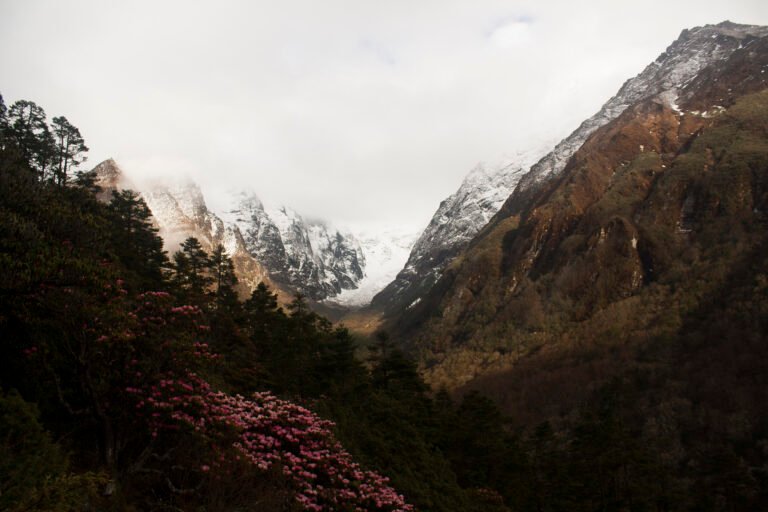
- Day 2, Ghandruk to Chhomrong (2,170 m): 5 to 6 hours through terraced fields and rhododendron forest to the gateway village of the sanctuary.
- Day 3, Chhomrong to Dovan or Himalaya (2,600-2,900 m): enter the Modi Khola gorge; the valley walls close in, the forest deepens, and the temperature drops.
- Day 4, to Machhapuchhre Base Camp (3,700 m): past Deurali and the Hinku caves, above the treeline into the high bowl beneath the Fishtail’s south face.
- Day 5, MBC to Annapurna Base Camp (4,130 m) and back partway: a short 2 hour climb opens suddenly into the sanctuary, a full circle of glacier and wall. Most trekkers walk down to MBC or Himalaya to sleep lower.
- Day 6, descend to Chhomrong or Jhinu Danda (1,780 m): long descent, with the hot springs at Jhinu as the reward.
- Day 7, to the road head and Pokhara: out via the New Bridge or Jhinu, drive back, hot shower, lakeside dinner.
The single hardest section is the stone staircase below Chhomrong on the way back down; knees complain more than lungs on this trek. Going up, the day from Chhomrong into the gorge is the longest grind.
Difficulty and fitness
ABC is a moderate trek. It is steep in sections but never technical: no ropes, no glacier travel, no pass above the destination. Fit first-time Himalayan trekkers manage it comfortably with a month of pre-trip cardio and leg training. The real risk is altitude, because the trail gains about 2,700 m from Ghandruk to the sanctuary in four days and the final nights are high. Walk a steady pace, keep the day 5 sleep-low logic, and know the early symptoms of AMS. Our altitude sickness guide for Nepal trekkers covers symptoms, prevention and when to turn around.
Compared with other Annapurna routes: ABC is shorter and lower than the Circuit, which crosses Thorong La at 5,416 m, and slightly higher but far shorter than the Mardi Himal trek. If you are choosing between the two base camp treks, our Annapurna vs Everest Base Camp comparison breaks down altitude, cost, flights and difficulty side by side.
Permits and costs for 2026
- ACAP (Annapurna Conservation Area Permit): NPR 3,000 (about USD 22) for foreign nationals, checked at multiple posts along the route.
- TIMS card: required for all trekkers; the blue card applies to organized groups and the green card to independent trekkers.
- Guide rule: Nepal’s guide requirement for organized trekking remains in force for group travel; independent trekking in the Annapurna area is permitted with permits in hand.
The full Nepal trekking permits guide has the current fee tables, and the Nepal Tourism Board publishes the official TIMS card requirements.
Budget picture for 2026, per person: permits about USD 45 combined; teahouse lodging USD 5-10 per night when you eat dinner in the same lodge; food USD 25-35 per day rising with altitude (a dal bhat at ABC costs roughly double what it does in Ghandruk); a guide USD 25-35 per day and a porter USD 15-25 per day if you hire them. All in, an independent 7 day ABC trek runs about USD 250-350 excluding transport to Pokhara, and a guided package USD 550-900 depending on inclusions.
Tea houses on the route
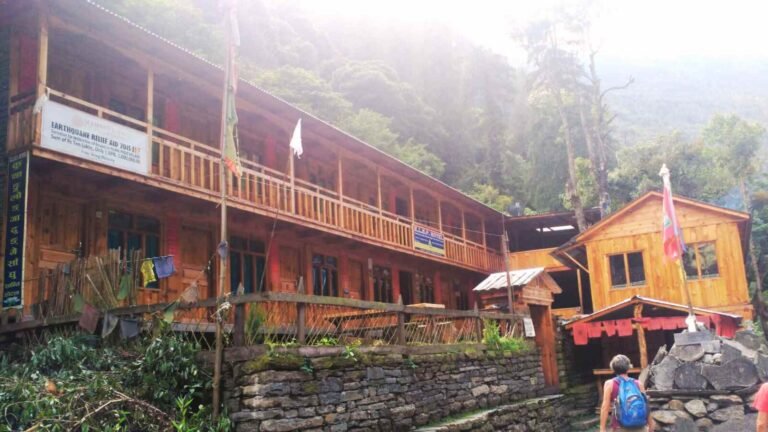
ABC is a mature teahouse trek: Ghandruk, Chhomrong and Bamboo have dozens of lodges, most with attached or shared hot showers below the sanctuary, and every village sells bottled water, chocolate, batteries and wifi by the voucher. Higher up, at MBC and ABC itself, the lodges are simpler: dormitory and twin rooms, thick blankets, dining rooms heated by yak-dung stoves after sunset, and charging for a fee. Because everything above the gorge is carried in on porters’ backs, room tariffs rise with altitude, and many sanctuary lodges quote a bundle that includes dinner, bed and breakfast. Book ahead in October, when the sanctuary lodges fill completely. Our teahouse trekking guide covers etiquette, payment norms and what rooms are actually like.
Best time to trek ABC
October and November are the classic window: clear air, stable weather, cold but bright nights in the sanctuary. March and April come second, with rhododendron bloom on the lower stages at the cost of some afternoon haze. Winter, December to February, is quiet, sharply cold at night, and occasionally closed above Deurali after snowfall. The monsoon, June to September, brings leeches, cloud and landslide risk on the gorge sections and is best avoided unless you want the trails to yourself. Month by month detail is in our best time to visit Nepal guide.
What to pack
- Layered clothing plus a down jacket for sanctuary nights, which drop well below freezing even in autumn.
- Trekking poles, genuinely important for the stone staircases on the descent.
- Water purification and a refill bottle; safe refills are cheaper and cleaner than bottled water above Chhomrong.
- Headlamp, sunglasses, sunscreen and a basic first-aid kit including blister care and your own Diamox if you use it.
- A sleeping bag liner or light bag for lodge blankets, and a power bank: charging above MBC is metered.
The full checklist, including what to rent in Pokhara rather than carry, is in our Nepal trekking packing list.
FAQ
Can beginners do the ABC trek?
Yes. It is one of Nepal’s most beginner-friendly high-altitude treks: no pass, no technical ground, comfortable teahouses and an escape route (down the same valley) at every stage. Beginners should add an acclimatization day, keep a slow steady pace, and consider a guide for the first Himalayan trip.
ABC or Everest Base Camp, which is harder?
Everest. ABC is shorter at 7 to 13 days versus 12 to 16, lower at 4,130 m versus 5,364 m, and has no flight dependency, whereas EBC depends on the Lukla flight each way. ABC is the better first Himalayan trek; EBC is the bigger prize once you know how your body handles altitude.
Is ABC open after the 2024 floods?
Yes. The 2024 monsoon damaged sections of the Modi Khola valley and the Ghandruk road below the trailhead. Repairs have continued and the trek is fully operational in 2026; the road section has periodically run under one-way traffic control. Ask your lodge or guide about current road timing the week you travel.
Is there wifi and phone signal?
Limited and altitude-dependent. Ghandruk and Chhomrong have wifi in most lodges; above Bamboo connectivity thins, and at MBC and ABC expect nothing or slow voucher wifi at best. Ncell and NTC signals reach parts of the gorge. Treat the sanctuary as offline.
Do I need a guide or porter?
Not legally required for independent trekkers in this region, and the trail is a single well-signed corridor to the sanctuary. A guide adds local knowledge and logistics handling; a porter saves your knees on the stairs. Many solo trekkers do ABC unsupported without problems.
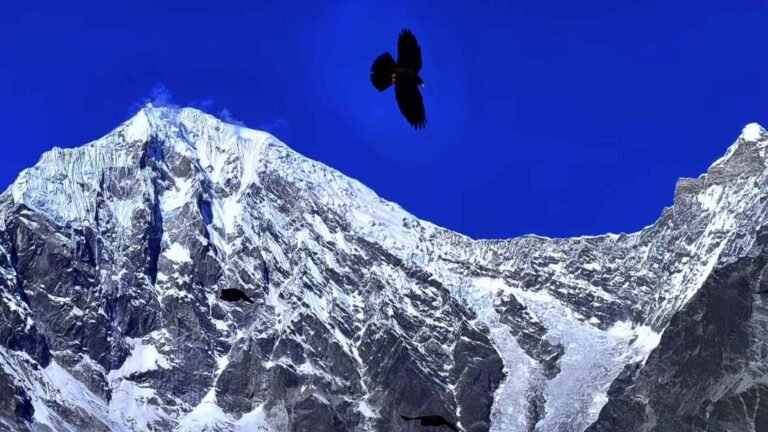
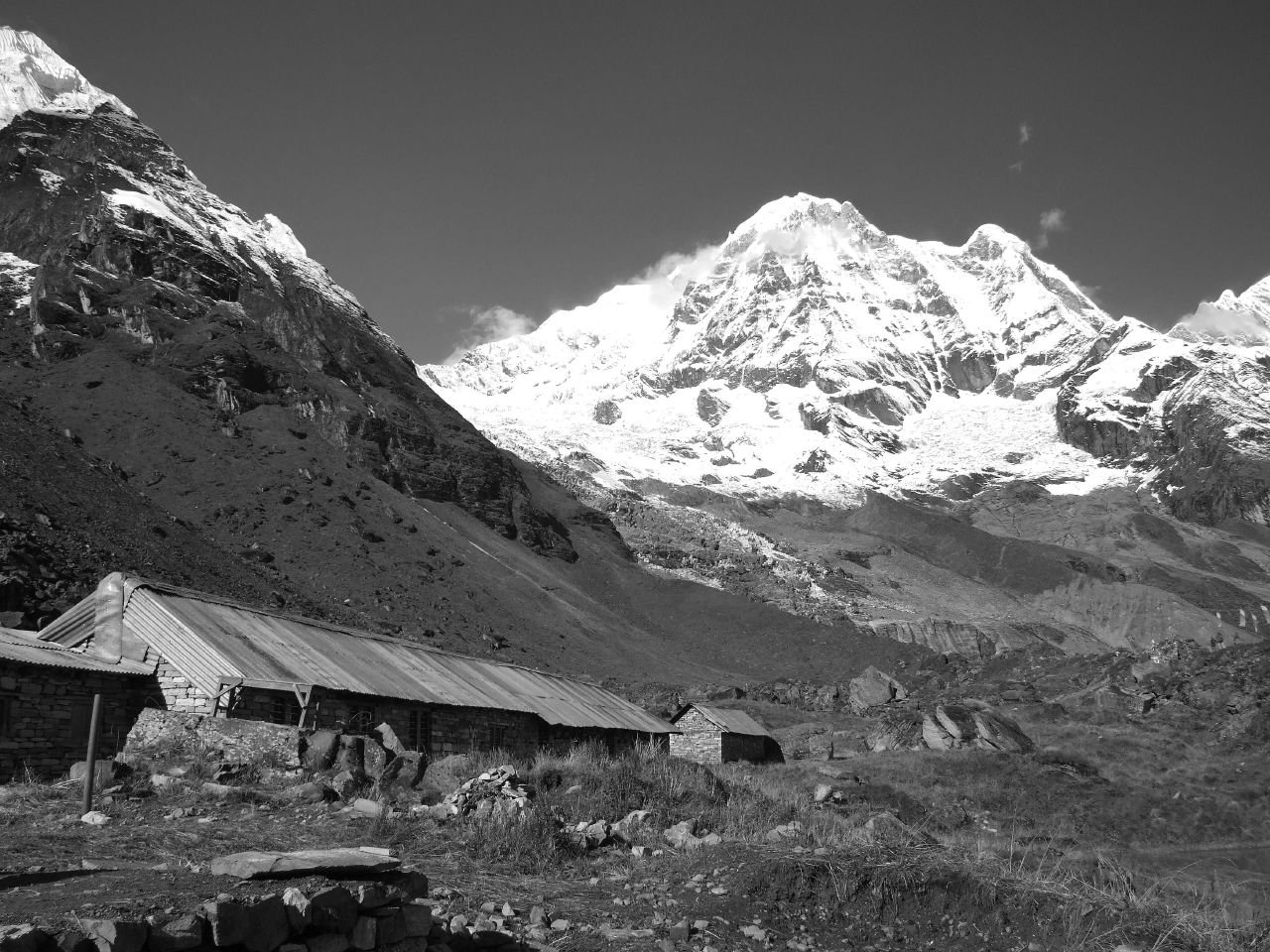
Featured image: Annapurna Base Camp, via Wikimedia Commons (CC).
Related guides
Share this content: