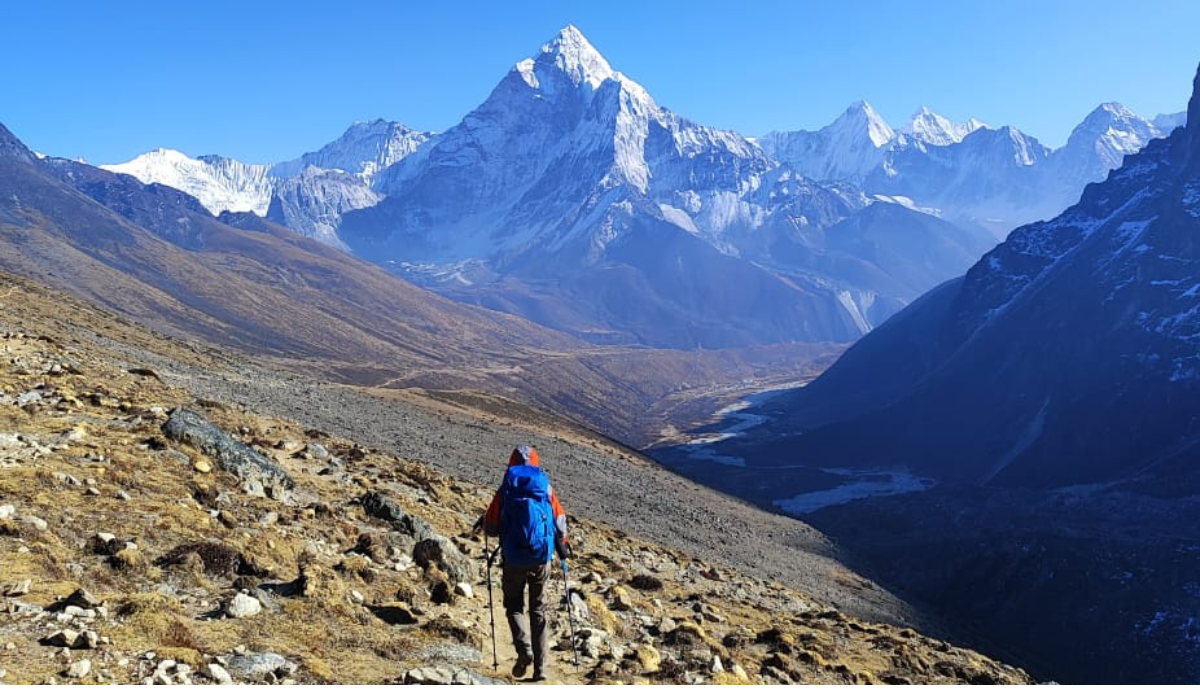
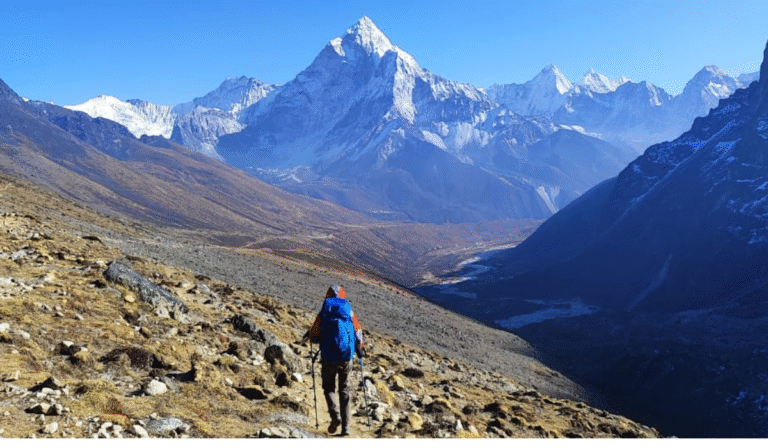
Nepal has officially ended the two-person minimum rule for several of its most coveted restricted-area trails. Starting in the 2026 trekking season, solo travelers can obtain permits for Manaslu, Upper Mustang, and Dolpo without a mandatory partner.
“This is a landmark shift. Nepal is signaling that it trusts independent travelers to respect its fragile high-altitude environments while still benefiting local economies.”
- Manaslu Circuit — previously required a minimum of two trekkers; now open to solo permit holders.
- Upper Mustang — the ancient kingdom beyond the rain shadow; solo access approved for 2026 onward.
- Dolpo Region — remote, culturally Tibetan-inspired trails now open to individuals.
- Kanchenjunga Base Camp — still restricted but under review for 2027.
Which Treks Are Affected?
The decision to open restricted-area treks to Nepal solo trekkers marks a significant shift in the country’s trekking policies. This initiative, set to take effect in 2026, aims to enhance the accessibility of these remote regions while promoting independent exploration. Notable treks previously limited to group travel will now allow solo adventurers to experience the breathtaking landscapes and rich cultural heritage of Nepal. Stakeholders anticipate that this change will not only benefit trekkers but also stimulate local economies reliant on tourism.Best Mardi Himal Trek Cost in 2025: A Detailed Budget Breakdown
What You Still Need
| Requirement |
Details |
| Restricted Area Permit |
USD 500–1,000 per person depending on region |
| Local Guide |
Mandatory for some zones; recommended for all |
| TIMS Card |
Required for all trekking areas |
| Insured / Rescue Plan |
Mandatory for restricted zones |
Why This Matters
The old two-person rule was designed partly for safety and partly to reduce per-capita permit costs for the government. With improved trail infrastructure, satellite communication, and helicopter rescue coverage, authorities say solo travelers can now be supported safely.
Best Time to Go
- Manaslu: March–May, September–November
- Upper Mustang: March–November (avoid monsoon season)
- Dolpo: May–October only
FAQ
Q: Is a guide still required?
A: For Upper Mustang, yes. For Manaslu, no — but highly recommended.
Q: Are prices changing?
A: Permit fees remain similar; solo travelers now pay the full individual rate instead of splitting group costs.
Q: Will rescue services handle solo trekkers?
A: Yes. Travel insurance with helicopter rescue is now strictly enforced for restricted areas.
For updated 2026 trekking itineraries, visit TravellingNepal.com.
Which areas are now open to solo trekkers?
The 2026 policy change opens several restricted areas that previously required a guide and minimum group size. Confirmed areas include parts of the Manaslu region (non-circuit sections), lower Dolpo, and select trails in Kanchenjunga. The full list is published by the Department of Immigration and updated each season.
What you still need
- Restricted Area Permit (RAP): Still required; the change removes the guide/group requirement, not the permit.
- TIMS card: Required for all trekking routes.
- Conservation permit: ACAP, MCAP, or equivalent depending on the region.
Safety considerations for solo trekkers
- Carry a satellite communicator (Garmin inReach or similar) — mobile coverage is absent in most restricted areas.
- Share your detailed itinerary with your embassy, your insurance provider, and at least two contacts.
- Hire a porter if carrying a heavy pack above 4,000 m — altitude and load don’t mix well solo.
- Check in at every police/army checkpoint along the route; they log your passage and can initiate search if you go missing.
Frequently asked questions
Is solo trekking safe for women? Nepal is generally safe, but solo women trekkers should stick to well-travelled routes, avoid isolated trail sections at dawn/dusk, and stay in reputable tea houses. The new policy does not change general safety advice.
Can I change my mind and hire a guide mid-trek? Yes — guides can be hired in larger villages and checkposts, though availability varies by season.