Langtang Valley Trek 2026: The Closest Himalayan Trek from Kathmandu
Complete guide: Annapurna Region Treks: Complete Guide
Why trek Langtang? The Langtang Valley trek is the most accessible major Himalayan trek from Kathmandu, a 7 to 10 day teahouse walk north to Kyanjin Gompa (3,870 m) and, on the extended route, the sacred Gosaikunda Lake (4,380 m). It suffered heavily in the 2015 earthquake but has rebuilt into a warm, quiet alternative to the crowded Annapurna and Everest trails. This page is the region overview: why Langtang is worth your time, all the route options in one place, what it costs, the permits, and what the teahouses are like in 2026. For the day-by-day walking plan, follow our Langtang trek 8-day itinerary.
Why Langtang deserves a slot in your 2026 plans
Three things make Langtang different from Nepal’s two big-name trekking regions. First, logistics: the trailhead at Syabrubesi is a single long drive from Kathmandu, with no domestic flight, no weather roulette and no expensive airfare, which cuts both cost and stress. Second, crowds: even in peak October the Langtang Valley sees a fraction of the foot traffic of Everest Base Camp or Annapurna Base Camp, and the valley keeps a working, lived-in feel rather than a tourism-machine one. Third, altitude: because the standard route tops out below 5,000 m unless you add a viewpoint climb, Langtang works as a gentler introduction to high-altitude trekking, and as a warm-up before something bigger. It is also the only major trek where you can watch a community actively writing its recovery story, which many travellers find the most memorable part of the whole route.
The four ways to trek Langtang in 2026
Langtang is really a small network of connected valleys and ridgelines, and how you combine them changes the character of the trek completely.
| Route | Days | High point | Best for |
|---|---|---|---|
| Langtang Valley classic | 7 to 8 | Kyanjin Ri 4,773 m | First-time trekkers, short trips, low risk |
| Valley + Tserko Ri | 8 | Tserko Ri 4,984 m | Fit walkers who want a true summit dawn |
| Valley + Gosaikunda | 10 to 12 | Laurebina Pass 4,610 m | Pilgrims, lake scenery, a full traverse |
| Gosaikunda + Helambu | 10 to 14 | Laurebina Pass 4,610 m | Culture-rich loops ending near Kathmandu |
The classic valley walk runs up and back down the same river gorge, so you see each village twice, once climbing and once descending, which is no hardship when the second pass through comes with legs already tuned. Adding Tserko Ri turns the final morning into a pre-dawn climb to a 4,984 m knuckle of rock with the whole Langtang Himal spread out in silence. The Gosaikunda extension branches east over the Laurebina Pass to a chain of high alpine lakes sacred to Shiva, where thousands of pilgrims bathe during the August Janai Purnima festival; our Gosaikunda Lake trek guide covers that route in full. Helambu, further east again, drops into the Helmu valley through Sherpa and Hyolmo villages and finishes with a short drive back to Kathmandu, making it the easiest region to combine with a tight schedule.
The standard Langtang route
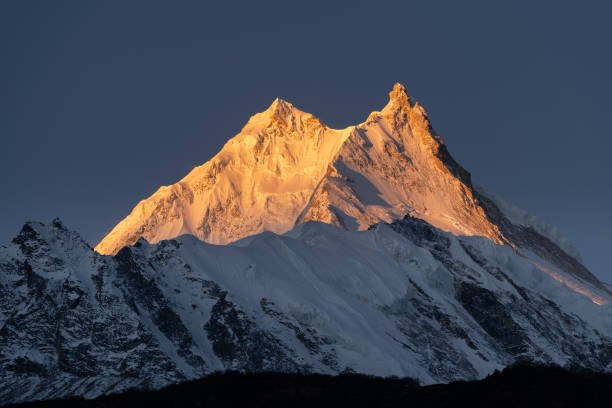
Trekkers drive 7 to 8 hours from Kathmandu to Syabrubesi (1,550 m), then walk through Lama Hotel, Langtang village and Mundu to Kyanjin Gompa. Most add a sunrise hike to Kyanjin Ri (4,773 m) or Tserko Ri (4,984 m) for panoramas of Langtang Lirung and the Tibetan border range.
| Plan | Days | High point |
|---|---|---|
| Langtang Valley (to Kyanjin) | 7 to 8 | Kyanjin Ri 4,773 m |
| + Gosaikunda Lake extension | 10 to 11 | Gosaikunda 4,380 m |
The walking itself is forgiving: well-graded trails, no passes on the valley route, and a steady gain of about 2,300 m spread over four days, which is why the itinerary works so well for first-timers. For the full day-by-day schedule with altitudes, walking hours and where to sleep, see the detailed 8-day Langtang itinerary.
Trek highlights
- Kyanjin Gompa (3,870 m): The highest settlement on the trek, with a 400-year-old Buddhist monastery, a cheese factory, and views of Langtang Lirung (7,227 m).
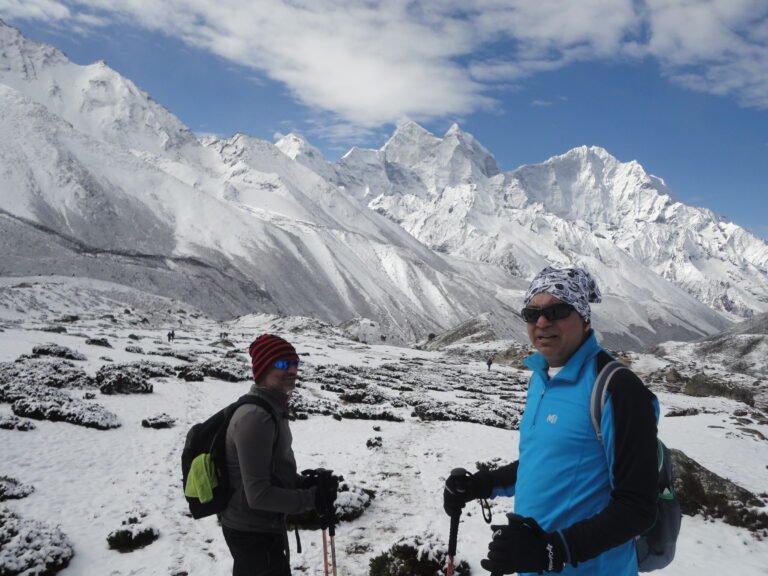
- Kyanjin Ri (4,773 m): A half-day hike from Kyanjin Gompa offering 360° views of the Langtang range, including Shishapangma (8,013 m) in Tibet.
- Langtang National Park: Nepal’s first Himalayan national park, home to red pandas, Himalayan tahr, and over 250 bird species.
- Tamang culture: The Langtang valley is predominantly Tamang, one of Nepal’s largest ethnic groups with Tibetan-Buddhist traditions.
Villages and culture
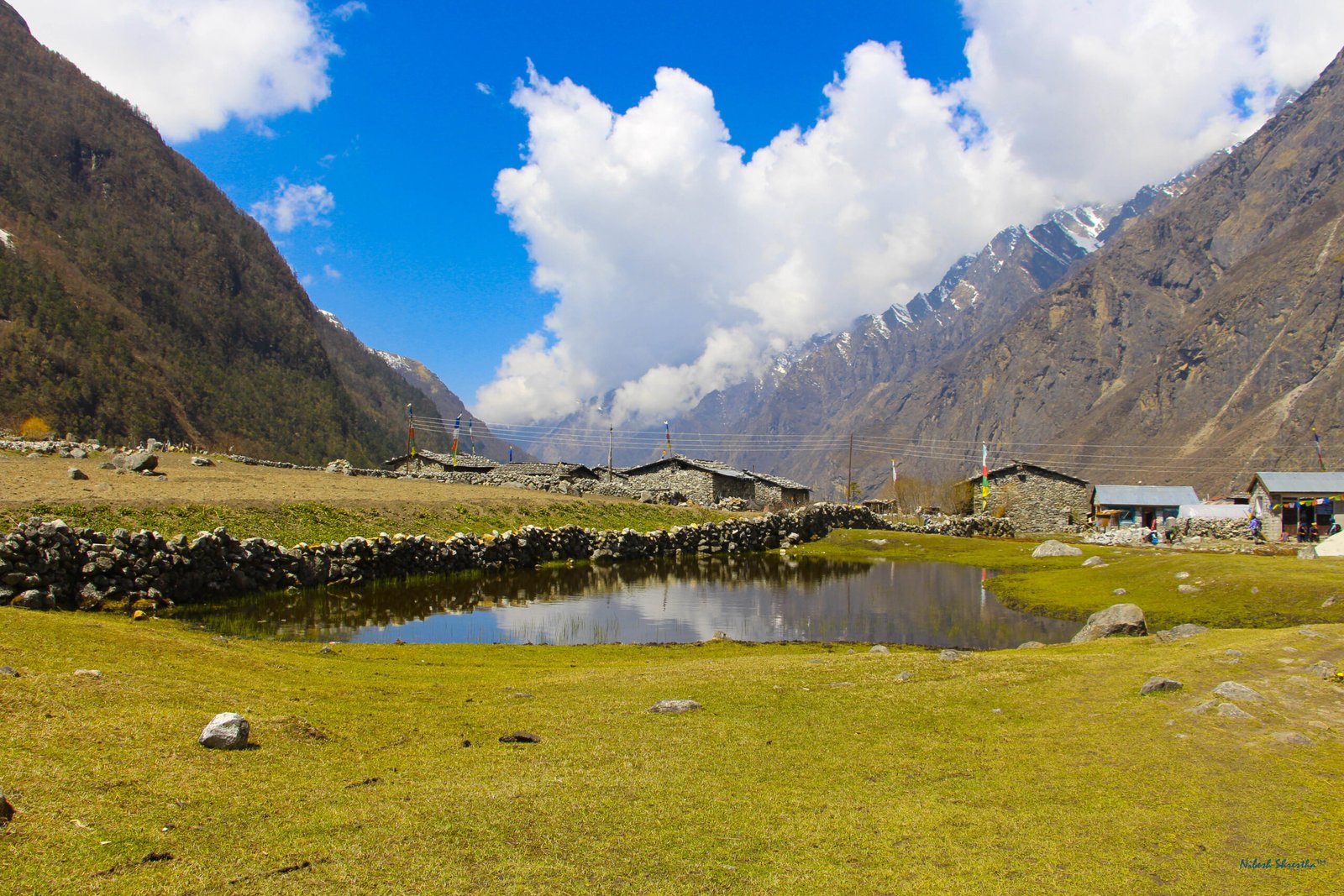
Langtang is a Tamang and Tibetan-Buddhist area. The rebuilt Langtang village and Kyanjin Gompa have teahouses, a cheese factory and a small monastery. It is less commercial than Namche but genuinely hospitable, and the culture is not staged for visitors: you are watching daily farm and herding life happen around you, with prayer wheels, mani walls and chortens marking the route the whole way up the valley. The Kyanjin cheese factory, established with Swiss help in the 1950s, still produces yak cheese that shows up on every teahouse menu from Lama Hotel upward, usually melted onto toast or rolled into dumplings.
Earthquake recovery: what changed and what stayed
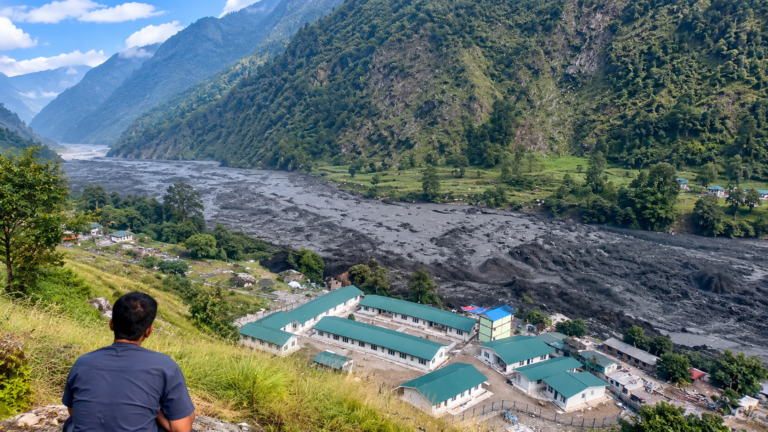
The April 2015 earthquake hit Langtang harder than anywhere else in Nepal. The village of Langtang itself sat directly beneath a glacial moraine that collapsed, and an avalanche of ice and rock buried the old settlement, taking a devastating share of its residents and the trekkers who were there that day. What stands now is a rebuilt Langtang village on slightly safer ground above the old site, plus a memorial and information point that most trekkers visit quietly on the way through. It deserves a pause, not pity: the lodges are the best-built in the region, the trails were re-engineered with international help, and the community made a deliberate decision to keep receiving trekkers, because tourism is the valley’s economy. Trekkers who walked Langtang before 2015 will find the landscape scarred and the settlement shifted, but the hospitality, the monastery and the mountains themselves entirely intact.
Teahouse standard in 2026
Langtang’s teahouses are simpler than the Khumbu’s but perfectly comfortable. Expect private twin rooms with solid beds and thick blankets, shared squat or western bathrooms, hot showers at most lodges below Kyanjin, and dining halls warmed by the kitchen stove after sunset. Menus follow the national teahouse pattern: dal bhat twice a day if you are smart, plus momos, thukpa, fried rice, chapatis with jam, and the famous local yak cheese. A few practical notes for 2026: wifi is available at some lodges for a small hourly fee but should be treated as a bonus, charging ports cost around NPR 200 to 400 per device, and above Langtang village the nights are cold enough that a four-season sleeping bag matters from November through February. Our Nepal teahouse trekking guide covers lodge etiquette and what to expect across all regions.
Permits (2026)
- Langtang National Park entry: NPR 3,000 for foreigners.
- TIMS card: required.
Both are simple to arrange. The park permit is issued at the Nepal Tourism Board counter in Kathmandu or at the park checkpoint in Dhunche on the drive up, so carry two passport photos and cash in NPR. TIMS comes from the Tourism Board office or your trekking agency. There is no special restricted-area permit for Langtang, which keeps paperwork light compared with Manaslu or Upper Mustang; the full system is explained in our 2026 trekking permits guide, and current official details are published by the Nepal Tourism Board at welcomenepal.com.
What the Langtang trek costs
| Item | Typical 2026 cost |
|---|---|
| Kathmandu to Syabrubesi bus | USD 8 to 12 each way |
| Private jeep (up to 6 people) | USD 120 to 180 each way, shared |
| Permits (park + TIMS) | around USD 40 total |
| Teahouse lodging and meals | USD 25 to 40 per day |
| Guide, if hired | USD 25 to 35 per day plus expenses |
| Typical 8-day total, independent | USD 350 to 500 |
That all-in figure is what makes Langtang famous among budget trekkers: an Everest Base Camp trek with the same duration and comfort level costs three to four times more, almost entirely because of the Lukla flights. Lodging itself is effectively free if you eat dinner and breakfast where you sleep, the long-standing teahouse arrangement across Nepal.
Getting there
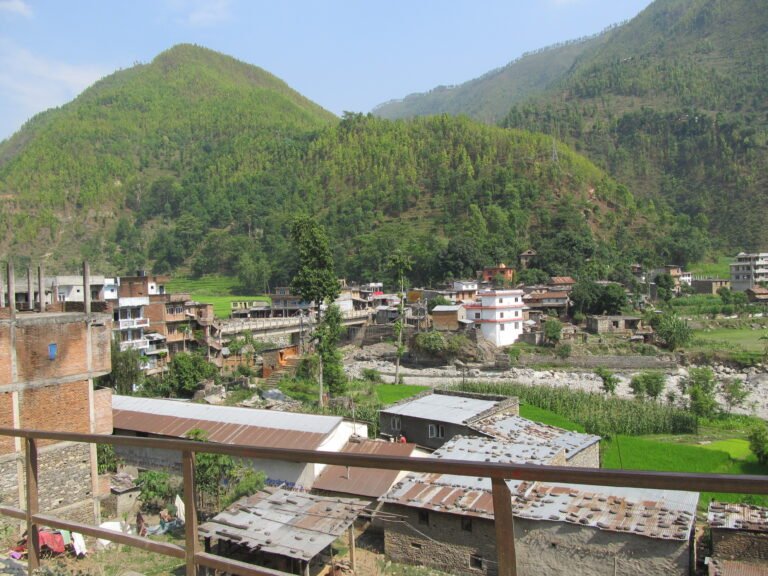
The trek starts from Syabrubesi, a 7 to 8 hour bus ride from Kathmandu (USD 8 to 12), with most buses leaving from the Gongabu Bus Park or the tourist bus stands early in the morning. Shared and private jeeps do the same drive in 5 to 6 hours and are the standard choice for groups, splitting to a reasonable per-person price. The road follows the Trishuli river to Dhunche, the district headquarters where the park permit checkpoint sits, then descends to Syabrubesi at the valley floor. The trail follows the Langtang Khola through oak and rhododendron forests before opening into alpine meadows above 3,500 m. If your schedule is tight and you prefer a gentler route closer to the capital first, our list of breathtaking hikes near Kathmandu includes warm-up options.
When to go
March to May brings spring flowers, warm days and the rhododendron bloom that turns the lower forests red, while October to November delivers the post-monsoon clarity that makes the whole Langtang Himal feel close enough to touch. October is the busiest month on the trail, though “busy” in Langtang means sharing a dining hall with half a dozen other walkers rather than queuing. December to February is snowbound, seriously cold above 3,500 m and best left to well-equipped winter trekkers, and June to September is monsoon: leeches, cloud, slippery stone steps and landslides on the road in. For month-by-month detail across all of Nepal, see our best time to visit Nepal guide.
Langtang vs Annapurna/Everest
- Less crowded than EBC or ABC in peak season.
- Shorter drive from Kathmandu, no flight needed.
- Lower max altitude unless you add Tserko Ri or Gosaikunda.
- Cheapest of the three once flights are counted.
- Closer to Kathmandu, so easy to start on short notice.
If you are weighing Langtang against the other big walks, our comparison of Nepal’s high-altitude treks breaks down the differences in fitness demand, cost and scenery.
FAQ
Is Langtang safe after the earthquake?
Yes. Trails and lodges were rebuilt with support from the Red Cross and local communities, and the rebuilt village sits on ground chosen specifically to avoid the old hazard zone. Standard trekking precautions apply.
When to go?
March to May and October to November are best. The valley is snowbound and very cold December to February.
Do I need a guide?
The trail is well-marked and independent trekking is permitted in 2026. A guide adds safety, cultural context and bargaining help in busy season, but is not a legal requirement on this route.
How fit do I need to be?
Fit enough for five to six hours of walking with a daypack, day after day, on good trails. The valley route has no passes and no technical ground, which is why it suits first-time trekkers so well. If you can walk hills at home for a few hours, you can do Langtang.
Is there wifi and phone signal?
Intermittent phone signal reaches parts of the valley, and several teahouses sell hourly wifi, but treat both as unreliable above Lama Hotel. Download offline maps before leaving Kathmandu.
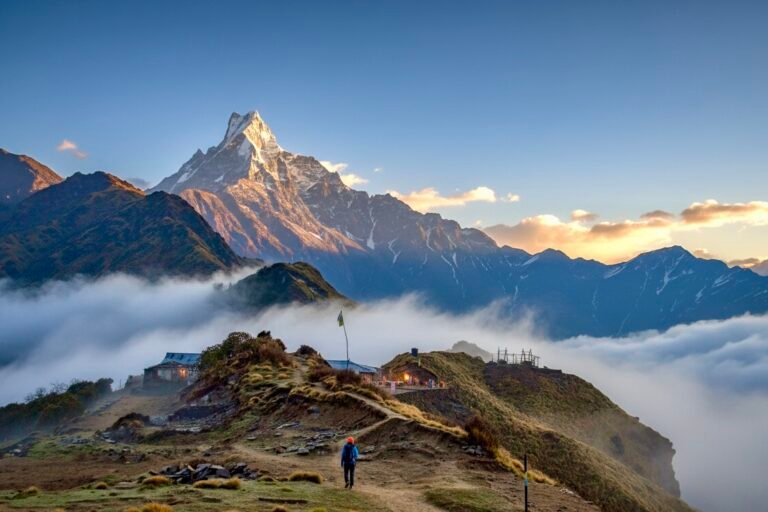
Featured image: Langtang Valley, via Wikimedia Commons (CC).
Related guides
Share this content: