Gosaikunda Lake Trek 2026: A Sacred Himalayan Pilgrimage Guide
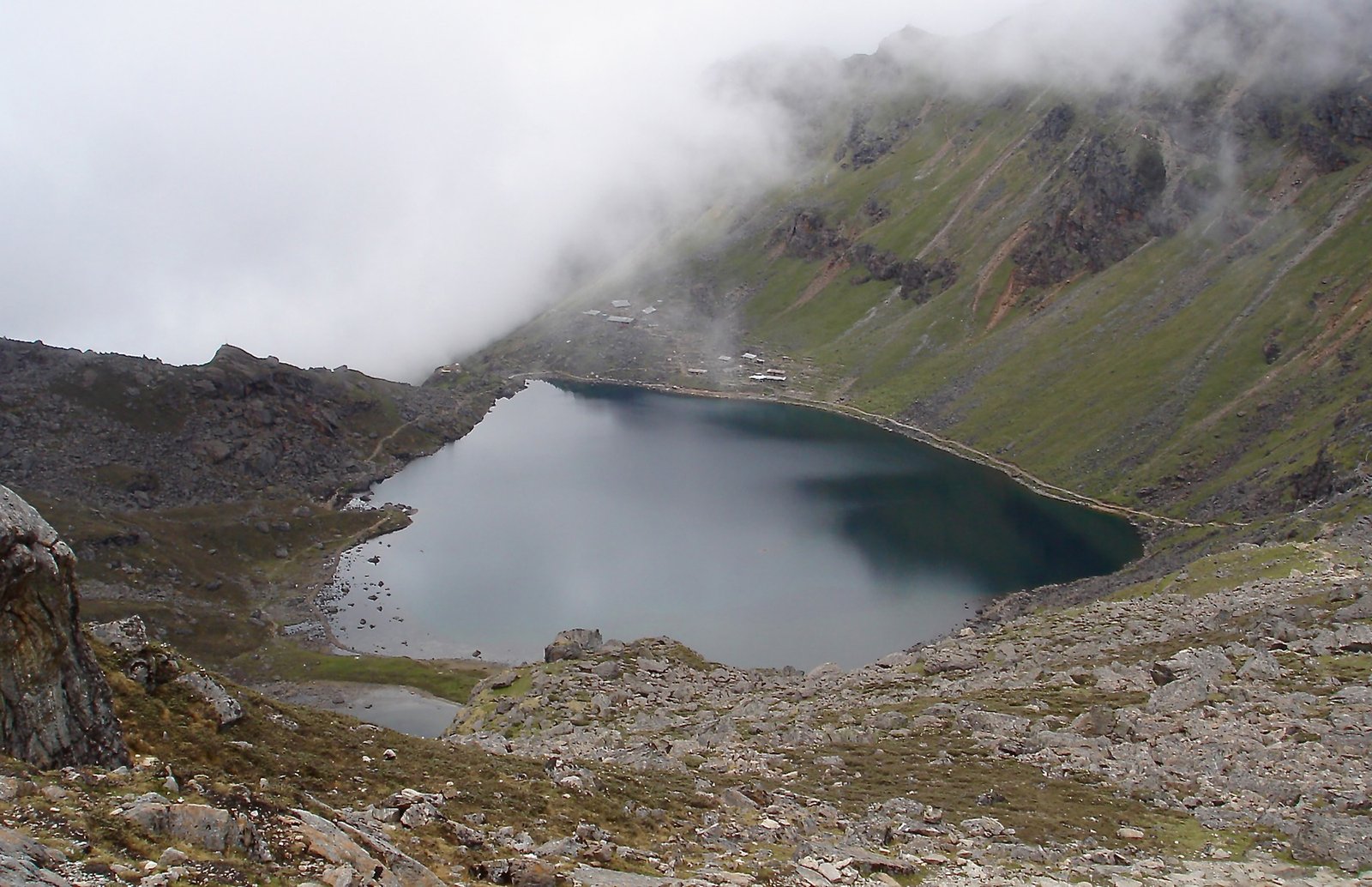
Gosaikunda Lake at 4,380 m in Langtang National Park, Rasuwa District. Photo by Saroj Pandey, CC BY-SA 3.0, via Wikimedia Commons.
Gosaikunda (also spelled Gosainkunda) is one of Nepal’s most sacred alpine lakes, nestled at an elevation of 4,380 metres (14,370 ft) inside Langtang National Park in the Rasuwa District. For centuries, Hindu and Buddhist pilgrims have climbed to this glacial lake to bathe in its ice-cold waters, especially during the full moon of August (Janai Purnima). The trek to Gosaikunda is short, accessible from Kathmandu, and combines stunning Himalayan scenery with deep cultural significance — making it one of the most rewarding short treks in Nepal.
Table of Contents
- What is Gosaikunda Lake?
- Why Trek to Gosaikunda?
- Gosaikunda Trek Route and Itinerary
- Trek Difficulty and Fitness Requirements
- Best Time to Go
- Permits and Costs
- Accommodation and Food on the Trail
- Safety and Altitude Considerations
- The Pilgrimage: Janai Purnima Festival
- What to Pack
- How to Get to the Trailhead
- Frequently Asked Questions
- Key Takeaways
What is Gosaikunda Lake?
Gosaikunda is an alpine oligotrophic lake in Nepal’s Langtang National Park, covering a surface area of 13.8 hectares (34 acres) at an altitude of 4,380 m. The lake complex, which includes 108 smaller lakes in the vicinity, spans 1,030 hectares (2,500 acres) and was designated a Ramsar wetland site of international importance on 29 September 2007.
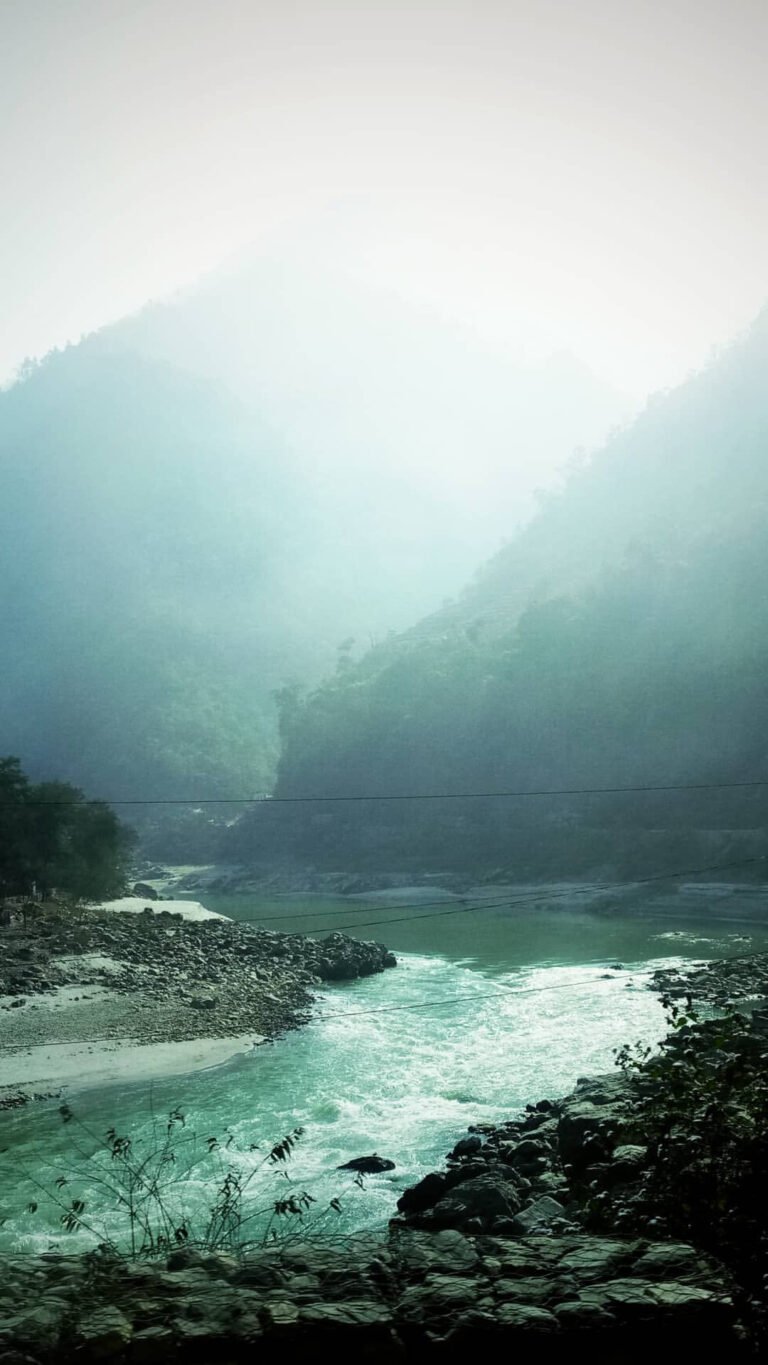
The lake melts to form the Trishuli River — one of Nepal’s major river systems — and remains frozen for six months of the year, typically from October to June. The Lauribina La pass, at 4,610 m (15,120 ft), sits on the lake’s outskirts and serves as a crossing point for trekkers continuing toward Helambu.
Langtang National Park itself was established in 1976 as Nepal’s first Himalayan national park. It covers 1,710 km² (660 sq mi) across the Nuwakot, Rasuwa, and Sindhulpalchok districts and contains 26 village communities. The park’s highest point is Langtang Lirung at 7,245 m (23,770 ft).
Why Trek to Gosaikunda?
The Gosaikunda trek offers a rare combination of attributes that make it stand out among Nepal’s trekking routes:
- Sacred significance: Gosaikunda is revered by both Hindus and Buddhists. According to Hindu mythology, the lake was created when Lord Shiva struck the ground with his trishul (trident) to find water after swallowing poison from the churning of the ocean (Samudra Manthana). Pilgrims believe bathing in the lake washes away sins.
- Accessibility: The trailhead at Dhunche is only a 6-7 hour drive from Kathmandu, making this one of the closest Himalayan treks to the capital.
- Short duration: The trek can be completed in 3-4 days, making it ideal for travellers with limited time.
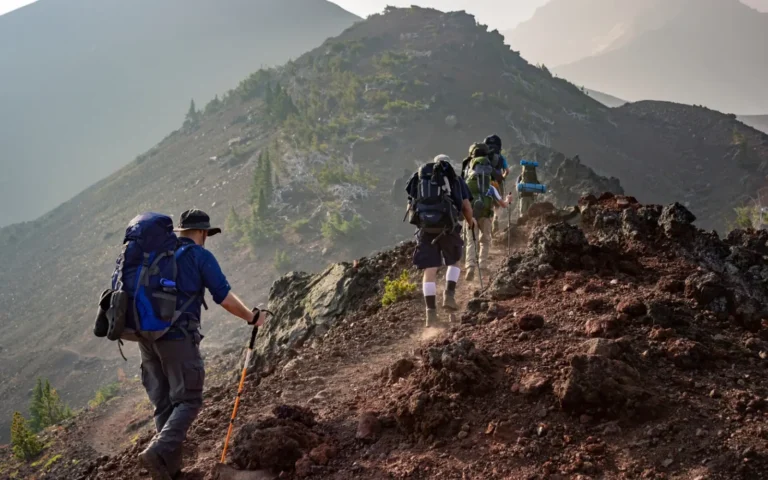
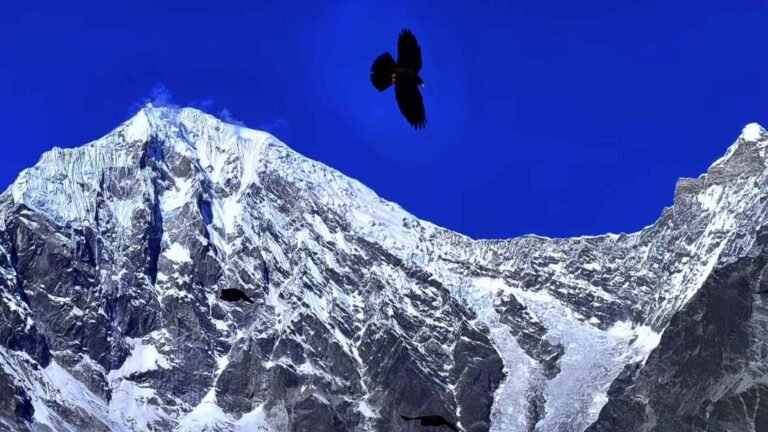
- Stunning scenery: The route passes through subtropical forests, rhododendron groves, alpine meadows, and eventually reaches the dramatic high-altitude lake surrounded by snow-capped peaks.
- Cultural immersion: The trail passes through Tamang and Sherpa villages, offering insights into local Himalayan culture.
Gosaikunda Trek Route and Itinerary
The standard Gosaikunda trek follows the Langtang valley trail before branching south at Bamboo. Here is a day-by-day breakdown of the most common 4-day itinerary:
Day 1: Kathmandu to Dhunche (1,950 m)
Drive from Kathmandu to Dhunche, the district headquarters of Rasuwa. The journey takes approximately 6-7 hours by local bus or private jeep, covering about 120 km on the Pasang Lhamu Highway. The road winds through Kakani and along the Trishuli River valley. Overnight in Dhunche.
Day 2: Dhunche to Chandanbari / Sing Gompa (3,250 m)
Trek from Dhunche through forests of oak, hemlock, and rhododendron. The trail climbs steadily for about 5-6 hours, gaining 1,300 m of elevation. You pass through the village of Deurali (2,670 m) before reaching Chandanbari, also known as Sing Gompa, which is home to a small yak cheese factory and a Buddhist monastery. Overnight in a teahouse at Chandanbari.
Day 3: Chandanbari to Gosaikunda (4,380 m) via Lauribina
This is the most challenging day. The trail climbs from Chandanbari through alpine scrub and across a boulder-strewn landscape. You pass Lauribinayak (3,920 m), where the tree line ends and the terrain becomes open and rocky. The trail then climbs to Lauribina La (4,610 m) — the highest point of the trek — before descending slightly to Gosaikunda. The day involves 5-6 hours of trekking with significant altitude gain (1,130 m). The air thins noticeably above 4,000 m, so pace yourself and stay hydrated. Overnight at a basic lodge near the lake.
Day 4: Gosaikunda to Dhunche and Return to Kathmandu
Retrace your steps down from Gosaikunda to Chandanbari, then continue descending to Dhunche. This is a long descent of about 2,400 m over 7-8 hours. Alternatively, you can split the descent by staying overnight at Bamboo or Tholo Syabru. From Dhunche, take a bus or jeep back to Kathmandu.
Extended Option: Gosaikunda to Helambu (7-9 days)
For trekkers with more time, the Gosaikunda route connects to the Helambu trek via the Lauribina La pass. After visiting the lake, cross the pass and descend through the Gosainkunda range to the Helambu valleys of Tarke Ghyang, Sermathang, and Malemchi Pul. This combined trek offers a dramatic contrast between the high alpine landscape of Gosaikunda and the lush, culturally rich Helambu region.
Trek Difficulty and Fitness Requirements
The Gosaikunda trek is classified as moderate to challenging, primarily because of the rapid altitude gain. Here is a breakdown:
| Factor | Rating | Notes |
|---|---|---|
| Distance | ~40 km total | Short by Nepal trekking standards |
| Max elevation | 4,610 m (Lauribina La) | High enough for altitude sickness risk |
| Daily walking time | 5-8 hours | Day 2 and 3 are the most demanding |
| Trail condition | Well-marked but rocky above tree line | Can be slippery during monsoon |
| Overall difficulty | Moderate-Challenging | Due to altitude, not technical difficulty |
You should be in good general fitness, able to walk 5-6 hours per day on steep, uneven trails. No technical climbing or mountaineering experience is needed — the trail is a walking path throughout. However, the altitude is the main challenge. Going from 1,950 m (Dhunche) to 4,380 m (Gosaikunda) in just two trekking days is a significant gain, and the risk of Acute Mountain Sickness (AMS) is real. For a detailed understanding of trek difficulty grades, see our Nepal trekking grades and difficulty levels guide.
Best Time to Go
The best seasons for the Gosaikunda trek are spring (March to May) and autumn (October to November). Here is a seasonal comparison:
| Season | Months | Conditions | Recommendation |
|---|---|---|---|
| Spring | March-May | Rhododendrons in bloom, mild temperatures, clear mornings | Excellent — best for flowers and photography |
| Summer/Monsoon | June-September | Heavy rain, leeches, slippery trails, poor visibility | Not recommended (but Janai Purnima falls in August — see below) |
| Autumn | October-November | Clear skies, stable weather, crisp air, best visibility | Best season overall |
| Winter | December-February | Lake frozen, snow on trail, very cold at night | Possible with proper gear; lodges may be closed |
The lake remains frozen from October to June. If you want to see the lake in its liquid state, visit between June and October. For the full picture on seasonal trekking in Nepal, see our best time to visit Nepal guide.
Permits and Costs
To trek to Gosaikunda, you need the following permits:
- Langtang National Park Entry Permit: Approximately NPR 3,000 for foreign nationals (SAARC nationals pay less). This can be obtained at the park entrance gate in Dhunche or at the Nepal Tourism Board office in Kathmandu.
- TIMS Card: The Trekkers’ Information Management System (TIMS) card is required for all trekkers in Nepal. As of 2023, the Nepal Tourism Board has mandated that all trekkers must be accompanied by a licensed guide or porter-guide, and the TIMS card is now issued through registered trekking agencies. The fee is approximately USD 20 for individual trekkers. For complete details on TIMS and permit requirements, see our Nepal trekking permits guide.
For the most current and authoritative permit information, we recommend checking the Nepal Tourism Board’s official trekking permit page and their park entry fees page.
Estimated Total Cost (per person)
| Item | Estimated Cost (NPR) |
|---|---|
| Transport: Kathmandu-Dhunche (return bus) | 2,000-3,000 |
| Langtang National Park entry | 3,000 |
| TIMS Card | ~2,500 (USD 20) |
| Accommodation (3 nights, teahouse) | 3,000-4,500 |
| Food (4 days) | 6,000-8,000 |
| Drinking water and extras | 1,500-2,000 |
| Total (excluding guide) | ~18,000-22,500 |
If you hire a guide (now effectively required by the 2023 regulation), add USD 25-35 per day for the guide’s fee, food, and accommodation.
Accommodation and Food on the Trail
The Gosaikunda trail has basic teahouse accommodation throughout. The teahouse system in Nepal is one of the things that makes trekking here so accessible — you carry only a light pack and sleep in simple lodge rooms with shared bathrooms. For a general overview, see our Nepal teahouse trekking guide.
On the Gosaikunda route specifically:
- Dhunche: Several lodges and guesthouses; the most comfortable accommodation on the route.
- Chandanbari / Sing Gompa: 4-5 teahouses with basic rooms, shared bathrooms, and a dining hall. The yak cheese factory here is a highlight — you can buy fresh yak cheese.
- Lauribinayak: One or two very basic shelters. Most trekkers do not stay here.
- Gosaikunda: 2-3 very basic stone lodges right beside the lake. Rooms are dormitory-style; there is no heating in rooms, only in the dining area. Bring a warm sleeping bag.
Food is standard teahouse fare: dal bhat, fried rice, noodles, momos, porridge, eggs, and Tibetan bread. Meals get more expensive with altitude — expect to pay NPR 500-700 for dal bhat at Gosaikunda. Bring water purification tablets or a filter; bottled water is available but expensive and creates plastic waste.
Safety and Altitude Considerations
The biggest safety concern on the Gosaikunda trek is altitude. You gain over 2,400 m of elevation from Dhunche (1,950 m) to Lauribina La (4,610 m) in just two days of walking. This is faster than the recommended ascent rate of 300-500 m per day above 3,000 m.
Symptoms of Acute Mountain Sickness (AMS) include headache, nausea, dizziness, loss of appetite, and difficulty sleeping. The threshold for AMS risk begins at 2,500 m, and Gosaikunda at 4,380 m is well above that line. The key prevention measures are:
- Acclimatise: Consider adding a rest day at Chandanbari (3,250 m) before pushing higher. A short day hike toward Lauribinayak and back helps your body adjust.
- Hydrate: Drink 3-4 litres of water per day. Dehydration worsens AMS.
- Pace yourself: Walk slowly and steadily. If you feel unwell, stop and descend. The only cure for AMS is descent.
- Carry Diamox: Acetazolamide (Diamox) can help prevent and treat mild AMS. Consult your doctor before departure.
- Do not trek alone: The 2023 NTB regulation requires a licensed guide for all trekkers. Beyond compliance, a guide provides safety, navigation, and communication support.
For comprehensive safety guidance including AMS symptoms, emergency procedures, and evacuation information, see our Nepal trekking safety and health complete guide. For a detailed packing checklist for high-altitude treks, see our Nepal trekking packing list.
Related guide: Nepal Trekking Safety & Health — Complete Guide
The Pilgrimage: Janai Purnima Festival
The most significant event at Gosaikunda is the Janai Purnima festival, which falls on the full moon day in August (the Hindu month of Shrawan). On this day, thousands of Hindu pilgrims — many of them elderly and without trekking experience — climb to the lake to take a ritual bath. The festival is also known as Raksha Bandhan in many parts of South Asia.
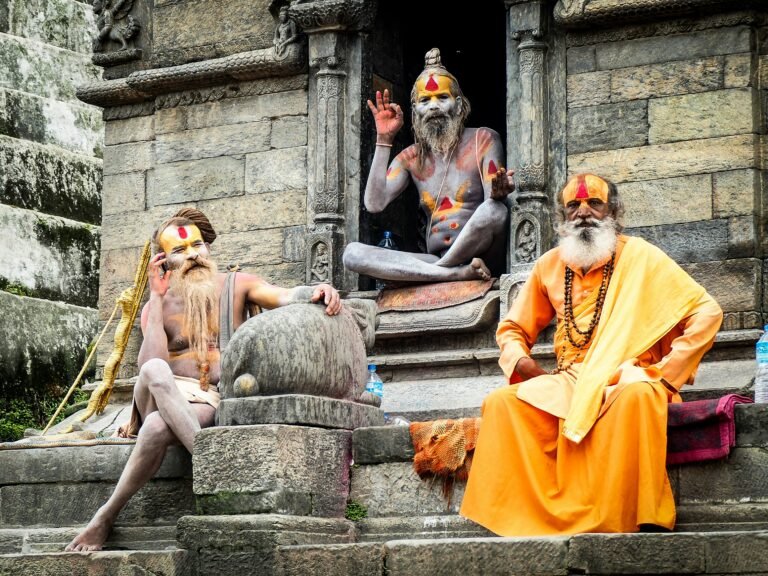
During Janai Purnima, Hindu men change their sacred thread (janai) worn across the chest, while sisters tie protective threads (rakhi) around their brothers’ wrists. At Gosaikunda, pilgrims bathe in the freezing lake waters, believing it purifies them of sin. Shamans (Jhakri) dressed in traditional white robes and headdresses perform rituals around the lake, drumming and dancing.
According to legend, Gosaikunda was formed when Lord Shiva, after swallowing the poison that emerged from the churning of the cosmic ocean (Samudra Manthana), felt a burning sensation in his throat. He struck his trident (trishul) into the mountainside to find cool water, and Gosaikunda sprang forth. The lake is also connected by legend to the Kumbheshwar temple pond in Patan, Kathmandu Valley — those who cannot make the journey to Gosaikunda can bathe at Kumbheshwar instead.
If you plan to visit during Janai Purnima, be prepared for crowds, limited accommodation, and challenging weather (August is monsoon season). The trail can be wet and slippery, and visibility may be poor. However, the cultural experience of seeing hundreds of pilgrims and shamans at this sacred high-altitude lake is unparalleled.
What to Pack
The Gosaikunda trek requires standard Himalayan trekking gear. Because the trek is short, you can pack light, but the altitude means you need proper warm clothing. Key items:
- Sleeping bag: Rated to at least -10°C (the Gosaikunda lodges are unheated)
- Down jacket: Essential for evenings at Gosaikunda
- Trekking boots: Broken in, with good ankle support
- Base layers and fleece: Moisture-wicking tops and a warm mid-layer
- Rain shell: Essential during monsoon; useful in all seasons
- Water purification: Tablets, drops, or a filter (the lake water is not safe to drink untreated)
- Headlamp: For early morning starts and nighttime bathroom visits
- First aid kit: Including Diamox, bandages, and any personal medications
- Sun protection: Sunglasses, SPF 50+ sunscreen, and a wide-brim hat
For a comprehensive gear checklist, see our Nepal trekking packing list.
How to Get to the Trailhead
The trailhead for the Gosaikunda trek is Dhunche, the headquarters of Rasuwa District. From Kathmandu:
- Local bus: Buses depart daily from the Gongabu Bus Park in Kathmandu to Dhunche. The journey takes 6-7 hours and costs about NPR 500-800. Roads can be rough, especially during and after monsoon.
- Private jeep: A more comfortable option, taking about 5-6 hours. Cost is approximately NPR 8,000-12,000 one way, which can be shared among a group.
- Route: The road follows the Pasang Lhamu Highway north from Kathmandu through Kakani, then descends to the Trishuli River valley and follows it upstream to Dhunche.
For a broader guide on reaching Nepal and navigating domestic transport, see our how to get to Nepal guide.
Frequently Asked Questions
How long is the Gosaikunda trek?
The standard Gosaikunda trek takes 3-4 days from Dhunche, including one day of driving each way from Kathmandu. The trekking portion is 2-3 days. If combined with the Helambu trek, the total duration is 7-9 days.
Do I need a guide for the Gosaikunda trek?
Yes. Since 2023, the Nepal Tourism Board requires all trekkers in Nepal to be accompanied by a licensed guide or porter-guide with a TIMS card. This applies to the Gosaikunda route. A guide also enhances safety, especially given the altitude.
Is Gosaikunda lake frozen?
Gosaikunda remains frozen for approximately six months of the year, typically from October to June. The lake is in liquid form from June/July through September/October. If you want to see the frozen lake, visit in winter — but be prepared for very cold temperatures and possible snow on the trail.
Can beginners do the Gosaikunda trek?
Fit beginners can complete this trek, but the altitude is a serious consideration. The rapid ascent from 1,950 m to 4,380 m in two days increases the risk of altitude sickness. We recommend adding a rest day at Chandanbari (3,250 m) for acclimatisation. If you are new to trekking, consider our Langtang Valley trek, which has a more gradual ascent profile.
What is the significance of Gosaikunda for Hindus?
Gosaikunda is sacred to Hindus because it is believed to have been created by Lord Shiva. According to mythology, Shiva struck the ground with his trident to find water after swallowing poison from the churning of the cosmic ocean. The lake is a major pilgrimage site, especially during the Janai Purnima festival in August.
How cold does it get at Gosaikunda?
Nighttime temperatures at Gosaikunda (4,380 m) can drop below freezing even in summer. In winter (December-February), nighttime temperatures can reach -15°C or lower. Bring a sleeping bag rated to at least -10°C and a good down jacket regardless of season.
Are there ATMs on the trail?
No. The last ATM is in Dhunche. Carry enough cash (NPR) for your entire trek — approximately 5,000-8,000 NPR per person for a 3-day trek, covering food, lodging, and incidentals.
Key Takeaways
- Gosaikunda is a sacred alpine lake at 4,380 m in Langtang National Park, designated a Ramsar wetland in 2007.
- The trek takes 3-4 days from Dhunche, which is a 6-7 hour drive from Kathmandu — one of the shortest Himalayan treks accessible from the capital.
- Altitude is the main challenge: you ascend from 1,950 m to 4,610 m (Lauribina La) in two days. Acclimatise properly and carry Diamox.
- Best seasons are spring (March-May) for rhododendrons and autumn (October-November) for clear views. The lake is frozen from October to June.
- Required permits: Langtang National Park entry + TIMS card (through a licensed guide, as per the 2023 regulation).
- Janai Purnima in August draws thousands of pilgrims — a powerful cultural experience but challenging weather and crowded trails.
- Accommodation is basic teahouse throughout; bring a warm sleeping bag as lodges at Gosaikunda are unheated.
- The trek can be extended to the Helambu route for a 7-9 day combined trek crossing Lauribina La pass.
Sources: Wikipedia (Langtang National Park, Gosaikunda, Raksha Bandhan); Nepal Tourism Board (ntb.gov.np); Ramsar Sites Information Service. Cross-checked with NTB official permit and park entry fee pages. Image: ‘The Holy Gosainkunda Lake, Rasuwa’ by Saroj Pandey, CC BY-SA 3.0, via Wikimedia Commons.
Published: 25 August 2026
Share this content: