Nepal Trekking Packing List 2026: Complete Gear Guide for Every Trail
Complete guide: Nepal Trekking Safety and Health Guide
Planning a trek in Nepal? Your packing list can make or break the experience. The Himalayas demand respect — and the right gear. This guide covers exactly what to pack for a Nepal trek, from the essentials every trekker needs to the technical gear for high-altitude routes, with specific brand recommendations and seasonal considerations.
Table of Contents
- The Essentials: What Every Trekker Needs
- Clothing: The Layering System
- Footwear: Boots and Trekking Shoes
- Backpack and Daypack
- Sleeping Bag and Sleeping Pad
- First Aid and Medical Kit
- Navigation and Communication
- Hydration and Nutrition
- Trekking Poles
- Seasonal Packing Adjustments
- Electronics and Power
- What NOT to Pack
- FAQ: Nepal Trekking Packing List
Key Takeaways
- Pack light but smart: Aim for 10–12 kg total pack weight including sleeping bag
- Layering is everything: A base layer, mid layer, and outer shell beat any single thick jacket
- Break in your boots: Never take brand-new boots on a multi-day trek — wear them for at least 50 km first
- Diamox is essential above 3,000 m: Consult your doctor and carry it for AMS prevention (see NTB safety guidance)
- Teahouses provide bedding: You do not need a tent or cooking gear for popular routes like Everest Base Camp or Annapurna Base Camp
The Essentials: What Every Trekker Needs
Regardless of which trek you choose — a short 5-day Langtang Valley trek or the full Annapurna Circuit — certain items are non-negotiable. Here is the core packing list that applies to every Nepal trek:
| Item | Details | Weight (approx.) |
|---|---|---|
| Passport + permits | Original passport, TIMS card, trekking permit (ACAP/MCAP/etc.) | ~100 g |
| Trekking insurance docs | Printed + digital copy of evacuation insurance policy | ~50 g |
| Headlamp | Petzl Actik Core or Black Diamond Spot 400 — spare batteries | ~80 g |
| Sunglasses | UV400, category 3 or 4 lenses for high altitude | ~40 g |
| Sunscreen SPF 50+ | Mineral-based, sweat-resistant — high UV at altitude | ~100 g |
| Lip balm SPF 30+ | Dry mountain air cracks lips fast | ~15 g |
| Water bottles / bladder | 2 x 1 L Nalgene or CamelBak bladder (3 L total capacity) | ~200 g |
| Water purification | Aquatabs tablets or Sawyer Squeeze filter | ~60 g |
| Quick-dry towel | Sea-to-Summit Tek Towel, medium size | ~120 g |
| Toiletries | Biodegradable soap, toothbrush, toothpaste, wet wipes | ~200 g |
| Multi-tool / Swiss Army knife | Victorinox Classic — for gear repairs, opening packages | ~75 g |
| Duct tape | Wrap 2 m around your water bottle — fixes blisters, gear tears | ~20 g |
Documents checklist: Keep physical copies of your passport (photo page + visa page), trekking permits, travel insurance (with emergency evacuation number), and flight tickets in a waterproof document sleeve. Store digital copies on your phone and a USB drive.
For details on which permits you need, see our complete Nepal trekking permits guide and the TIMS card and visa guide.
Clothing: The Layering System
The single most important principle for Himalayan trekking: layering. Temperatures can swing from +25°C in a sunny teahouse courtyard to -15°C on a predawn pass crossing. A flexible layering system lets you add or remove clothing in minutes.
Base Layer (moisture-wicking)
Two merino wool base layers (top + bottom). Merino regulates temperature, resists odor for days, and dries fast. Avoid cotton — it holds moisture and can lead to hypothermia.
- 2 x merino long-sleeve tops (200–250 gsm, Icebreaker 200 or Smartwool 150)
- 1 x merino bottoms for sleeping and cold days
- 2 x merino or synthetic underwear
- 3 x merino trekking socks (Darn Tough or Smartwool — lifetime warranty)
Mid Layer (insulation)
- 1 x fleece jacket (Patagonia R1 or similar — 200-weight fleece)
- 1 x down jacket (800-fill, hooded — Mountain Hardwear Ghost Whisperer or Rab Electron)
- 1 x fleece or soft-shell trousers for evenings
Outer Shell (weather protection)
- 1 x waterproof hard-shell jacket with hood (Gore-Tex or equivalent — Arc’teryx Beta LT or Marmot Minimalist)
- 1 x waterproof shell trousers (side zips for ventilation)
- 1 x lightweight rain cover for your backpack
Trekking Clothing (day wear)
- 1 x convertible hiking trousers (zip-off legs — Prana or Columbia)
- 1 x lightweight trekking trousers or shorts
- 1 x long-sleeve sun shirt (UPF 50+ — for sun protection on exposed trails)
- 1 x wide-brim sun hat or cap with neck flap
- 1 x warm beanie / wool hat (for evenings and early-morning starts)
- 1 x lightweight buff or neck gaiter (dust, sun, wind protection)
- 1 x lightweight gloves (fleece) + 1 x warm waterproof gloves (for high passes)
Footwear: Boots and Trekking Shoes
Your boots are the most critical piece of gear you will bring. A single blister can end a trek. Here is what to look for:
| Trek Type | Recommended Boot | Key Features |
|---|---|---|
| Teahouse treks (EBC, ABC, Langtang) | Mid-cut lightweight hiking boot | Ankle support, grippy sole (Vibram), waterproof lining |
| Circuit treks (Annapurna Circuit, Manaslu) | Mid-cut trekking boot, stiffer | Rigid sole for rocky terrain, good tread for Thorong La / Larkya La |
| Lowland / short treks (Poon Hill, Chitwan) | Trail running shoes or light hikers | Breathable, comfortable, adequate grip |
Recommended models: Salomon X Ultra 3 Mid GTX, La Sportiva Ultra Raptor Mid, Lowa Renegade GTX Mid. For wider feet: Keen Targhee III Mid.
Breaking in boots: Wear your boots for at least 50 km of walking before the trek. Walk on inclines, stairs, and uneven ground. This is non-negotiable — never take untested boots to the Himalayas.
Camp shoes: Bring a pair of lightweight sandals or Crocs for teahouse evenings. Your feet need to breathe after 6–8 hours in boots, and teahouse floors can be cold.
Backpack and Daypack
For a teahouse trek where porters carry your main bag, you only need a 30–40 L daypack. If you are self-carrying (no porter), aim for a 50–65 L pack. The golden rule: your total pack weight should not exceed 10–12% of your body weight.
- With porter: 30–40 L daypack (Osprey Talon 33, Deuter Speed Lite 30) — carry water, layers, camera, snacks, first aid
- Without porter: 50–65 L backpack (Osprey Atmos 65, Gregory Baltoro 65) — properly fitted to your torso length
- Rain cover: Separate rain cover for your pack, even if it claims to be waterproof
- Pack liner: A lightweight dry bag or trash-compactor liner inside the pack as a second moisture barrier
If hiring a porter, pack your main gear in a duffel bag (not a backpack — porters carry duffels with a tumpline). A 60–90 L waterproof duffel like the Osprey Transporter or The North Face Base Camp Duffel works well. Keep your daypack items separate.
Sleeping Bag and Sleeping Pad
Teahouses on popular routes provide beds and blankets, but at high altitude (above 4,000 m), rooms are unheated at night and blankets can be insufficient. A good sleeping bag is essential.
| Trek | Minimum Rating | Recommended Bag |
|---|---|---|
| Annapurna Base Camp (4,130 m) | -10°C comfort | 3-season down bag (Mountain Hardwear Bishop Pass 0°F or Rab Neutrino 400) |
| Everest Base Camp (5,364 m) | -15°C comfort | 4-season down bag (Western Mountaineering Ultralite or Rab Ascent 900) |
| Annapurna Circuit (Thorong La 5,416 m) | -15°C comfort | 4-season down bag with liner |
| Manaslu Circuit (Larkya La 5,106 m) | -15°C comfort | 4-season down bag with liner |
| Langtang Valley (4,984 m Kyanjin Ri) | -10°C comfort | 3-season down bag adequate |
Sleeping bag liner: A silk or fleece liner adds 5–8°C of warmth and keeps the bag clean. Silk liners weigh ~150 g and pack tiny.
Sleeping pad: Not needed if staying in teahouses (they provide foam mattresses), but for camping treks (Upper Mustang in remote sections, Dhaulagiri), bring a self-inflating pad (Therm-a-Rest ProLite) or an inflatable pad (NEMO Tensor) with an R-value of 4+.
For a deep dive into what teahouses provide, read our Nepal teahouse trekking guide.
First Aid and Medical Kit
A well-stocked first-aid kit is essential. The Himalayan Rescue Association operates aid posts at Pheriche (4,250 m) and Manang (3,550 m), but you need your own basics for the trail between them.
Essential medications
- Diamox (acetazolamide): 125 mg tablets for AMS prevention — consult your doctor before departure. The standard dose is 125 mg twice daily above 3,000 m.
- Ibuprofen: 400–600 mg for headaches, muscle aches, altitude-related discomfort
- Imodium: For trekker’s diarrhea — the most common trail ailment
- Antibiotics: Azithromycin or Ciprofloxacin (prescription) for bacterial GI infections
- Rehydration salts: ORS packets — critical if diarrhea strikes
- Throat lozenges: Dry mountain air causes sore throats
- Any personal prescription medications: Carry enough for the full trek plus 3 extra days
Wound and blister care
- Bandages: assorted sizes, waterproof
- Blister pads: Compeed or moleskin — carry plenty
- Antiseptic wipes or Betadine
- Medical tape: Leukotape P for blister prevention and gear repairs
- Gauze pads and a small scissors/tweezers
Altitude sickness readiness
Above 2,500 m, altitude sickness is a real risk. The NTB and HRA recommend ascending no more than 300–500 m per day above 3,000 m, with a rest day every 1,000 m of gain. Know the symptoms: headache, nausea, loss of appetite, fatigue, dizziness. If symptoms worsen, descend immediately — there is no other treatment for severe AMS.
For a complete guide to altitude sickness prevention and the HRA aid-post network, read our altitude sickness guide and the Nepal trekking safety guide.
The Himalayan Rescue Association provides free daily altitude-sickness talks at 3 PM at their aid posts in Pheriche (4,250 m), Manang (3,550 m), and Kathmandu during the spring and autumn seasons. Attendance is strongly recommended. See himalayanrescue.org.np for details.
Navigation and Communication
Most popular trekking routes are well-marked, but weather can close in and trails can fork ambiguously. Carry:
- Map: A waterproof trekking map (Nepal Maps by Himalayan Map House or Schneider maps) — even if you have GPS
- GPS app: Maps.me or Gaia GPS with offline maps downloaded for your route
- Power bank: 10,000–20,000 mAh (Anker or Nitecore) — teahouses charge 200–500 NPR per device for charging above Namche/Manang
- Solar charger: Optional for remote treks (Goal Zero Nomad 10) — useful on Upper Mustang or Manaslu where teahouse charging is scarce
- Satellite communicator: Garmin inReach Mini 2 or Zoleo — essential for solo trekkers or remote routes. Provides SOS and 2-way messaging where there is no cell signal.
Cell coverage: NTC (Nepal Telecom) and Ncell have coverage on most popular trekking routes up to EBC and ABC, but it is spotty and unreliable above 4,000 m. Buy a local SIM in Kathmandu with a data package.
Hydration and Nutrition
Dehydration is the silent enemy at altitude. You lose more moisture through respiration in dry mountain air than you realize. Aim for 3–4 liters per day.
Water treatment
- Aquatabs: Effervescent chlorine tablets — 1 tablet per liter, wait 30 minutes. Lightweight and reliable.
- Sawyer Squeeze or Katadyn BeFree: Inline filter — fast, no chemical taste, works for thousands of liters.
- UV pen (SteriPen): Quick but battery-dependent — carry spare batteries
- Boiling: Teahouses will fill your bottle with boiled water for 50–150 NPR. The most reliable method.
Trail snacks
Carry 200–300 g of energy-dense snacks per trekking day. Good options available in Kathmandu:
- Trail mix (nuts, dried fruit, chocolate)
- Energy bars (Snickers are ubiquitous in Nepal teahouses and shops)
- Local biscuits and crackers
- Electrolyte powder (Liquid I.V. or similar)
Teahouses serve dal bhat (lentil soup with rice), momos, and noodles. You do not need to carry cooking gear or food for multi-day teahouse treks. For camping treks, your trekking agency will arrange food and cook gear.
Trekking Poles
Trekking poles reduce knee impact by 20–30% on descents and improve balance on rocky, icy, or muddy trails. They are strongly recommended for any trek with significant elevation gain/loss — which describes nearly every Nepal trek.
- Recommended: Black Diamond Distance Carbon FLZ (lightweight, foldable) or Leki Micro Vario Carbon
- Budget option: Black Diamond Trail Ergo or any adjustable aluminum pole
- Tips: Always use rubber tips on teahouse floors to avoid scratching. Adjust length: shorter for ascents, longer for descents.
Poles are especially critical on the Annapurna Circuit’s Thorong La descent and the long downhill from EBC to Lukla. If you do not own poles, you can rent them in Kathmandu (Thamel) for 100–200 NPR/day.
Seasonal Packing Adjustments
Nepal has two main trekking seasons — spring (March–May) and autumn (September–November) — plus winter (December–February) and the monsoon (June–August). Your packing list shifts with the season.
| Season | Temperatures (day / night at altitude) | Add to Pack | Remove from Pack |
|---|---|---|---|
| Spring (Mar–May) | +15°C / -5°C to -10°C at 4,000 m+ | Light down jacket for evenings, extra sun protection | Heavy 4-season bag (3-season sufficient below 5,000 m) |
| Autumn (Sep–Nov) | +10°C / -10°C to -15°C at 4,000 m+ | 4-season sleeping bag for high routes, warm gloves, heavy fleece | Nothing — this is the core list |
| Winter (Dec–Feb) | +5°C / -20°C to -25°C at 4,000 m+ | Expedition down jacket, 4-season bag, balaclava, gaiters, crampons (microspikes) | Lightweight clothing, shorts |
| Monsoon (Jun–Aug) | +20°C / +5°C at 4,000 m | Full rain gear, pack cover, gaiters, quick-dry clothing, leech socks (lowland trails) | Down jacket (too warm), heavy sleeping bag |
For month-by-month weather and the best trekking windows, see our best time to visit Nepal guide.
Electronics and Power
Keep electronics minimal — they add weight and need charging. Above 3,000 m, teahouse charging costs 200–500 NPR per device and can be unavailable entirely in remote villages.
Recommended electronics kit
- Phone: Your smartphone doubles as camera, GPS, and e-reader. Put it in airplane mode to save battery.
- Power bank: 10,000 mAh minimum (Anker PowerCore 10000 — ~180 g). For longer treks: 20,000 mAh (~350 g).
- Camera: Optional. A lightweight mirrorless (Sony A6700) or a GoPro for video. Carry spare batteries — cold drains them fast.
- Headphones: Wireless earbuds for evenings in teahouses.
- Adapters: Nepal uses Type C, D, and M plugs (220V). Most teahouses have 2-pin European-style outlets.
Tip: Keep your phone and power bank close to your body in cold weather — lithium-ion batteries drain rapidly below 0°C. Store them in your sleeping bag at night.
What NOT to Pack
Overpacking is the most common mistake first-time Nepal trekkers make. Every extra kilogram costs energy at altitude. Leave these behind:
- Tent and cooking gear: Unless on a camping-only route, teahouses provide shelter and food. Your porter or agency handles camping logistics.
- Multiple pairs of pants/shirts: Two sets of base layers plus one set of trekking clothes is plenty. Teahouses offer laundry service.
- Cotton clothing: Cotton kills in the mountains — it holds moisture, dries slowly, and offers no insulation when wet.
- Heavy DSLR + multiple lenses: Unless photography is your primary purpose, a phone or compact mirrorless is sufficient. Every gram counts.
- Books: A Kindle or phone e-reader is fine; physical books add unnecessary weight.
- Hair dryer / straightener: Teahouse electricity is limited and often solar-powered.
- Jeans: They are heavy, restrictive, and never dry on the trail.
Travelers wanting a fully guided trek with porter support, gear rental, and expert route planning can explore guided Nepal trekking tours. A reputable operator handles permits, teahouse bookings, and safety logistics, letting you focus on the experience.
FAQ: Nepal Trekking Packing List
What should I pack for the Everest Base Camp trek?
Pack a 4-season down sleeping bag (-15°C rating), a down jacket, base layers, a hard-shell rain jacket, mid-cut waterproof boots (broken in), trekking poles, Diamox, a 10,000+ mAh power bank, and the essentials listed above. Aim for 10–12 kg total. See our full EBC trek guide for route-specific details.
Can I rent trekking gear in Kathmandu?
Yes. Thamel has dozens of gear rental shops offering sleeping bags, down jackets, trekking poles, and backpacks at 100–300 NPR/day. Quality varies — inspect zippers, seams, and warmth ratings before renting. This is a good option for one-time trekkers who do not want to invest in a down jacket or sleeping bag.
Do I need a sleeping bag if staying in teahouses?
Yes, for high-altitude treks. Teahouses provide blankets, but above 3,500 m, nighttime temperatures regularly drop below -10°C and blankets may be insufficient. A 3-season down bag (-10°C) is the minimum for Annapurna Base Camp; a 4-season bag (-15°C) for EBC and Thorong La.
How heavy should my backpack be for a Nepal trek?
Aim for 10–12% of your body weight. For a 70 kg trekker, that is 7–8.5 kg. If hiring a porter, your daypack should be under 5 kg. The biggest weight savings come from a lightweight sleeping bag (down compresses to 2–3 L), minimal clothing (2 base layers, not 5), and a sub-1 kg pack.
Do I need crampons or microspikes?
For autumn and spring treks on popular routes: no. For winter treks (December–February) or any trek crossing high passes (Thorong La, Larkya La) outside the main seasons: yes, carry microspikes (Kahtoola MICROspikes) or light crampons. Ice on the trails at 5,000+ m is common in winter.
What size power bank do I need for trekking in Nepal?
A 10,000 mAh power bank is sufficient for a 10–14 day teahouse trek if you charge at every opportunity (lower altitudes). For remote treks (Upper Mustang, Manaslu, Dhaulagiri) where teahouse charging is scarce, carry 20,000 mAh or a small solar panel. Keep batteries warm — cold above 4,000 m drains them 30–50% faster.
Should I bring a water filter or purification tablets?
Both work. Aquatabs (chlorine tablets) are the lightest option (~30 g for a full trek) and treat water in 30 minutes. A Sawyer Squeeze filter is faster and handles thousands of liters but can freeze in winter — insulate it in your sleeping bag at night. Many trekkers use boiled water from teahouses (50–150 NPR per fill) and carry tablets as backup.
Is trekking insurance necessary for Nepal?
Yes — absolutely. Standard travel insurance does not cover trekking above 3,000 m or helicopter evacuation. You need a policy that explicitly covers high-altitude trekking and emergency helicopter rescue. See our Nepal trekking insurance guide for recommended providers and what to look for.
Conclusion
The right packing list is your foundation for a safe, enjoyable Nepal trek. Pack light, layer up, break in your boots, and carry Diamox. The Himalayas will test you — but with proper preparation, you will be free to focus on the jaw-dropping scenery, the warmth of teahouse hospitality, and the achievement of standing at the roof of the world.
Published: August 18, 2026
Sources: Nepal Tourism Board — Safety in the Mountains; Himalayan Rescue Association Nepal; author’s trekking experience on EBC, Annapurna Circuit, and Manaslu Circuit (2023–2025).
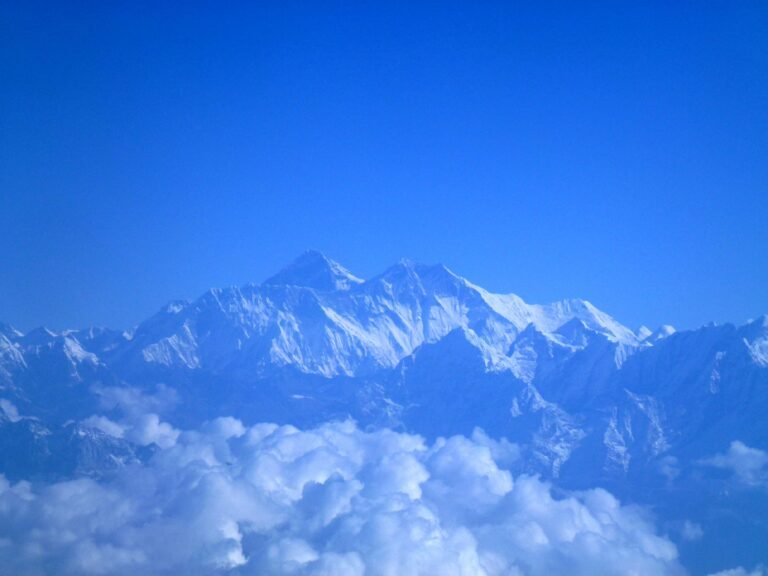
Featured image: Nepal Himalayas by Жанна Сорокина, via Wikimedia Commons (CC0 / Public Domain).
Related guides
Share this content: