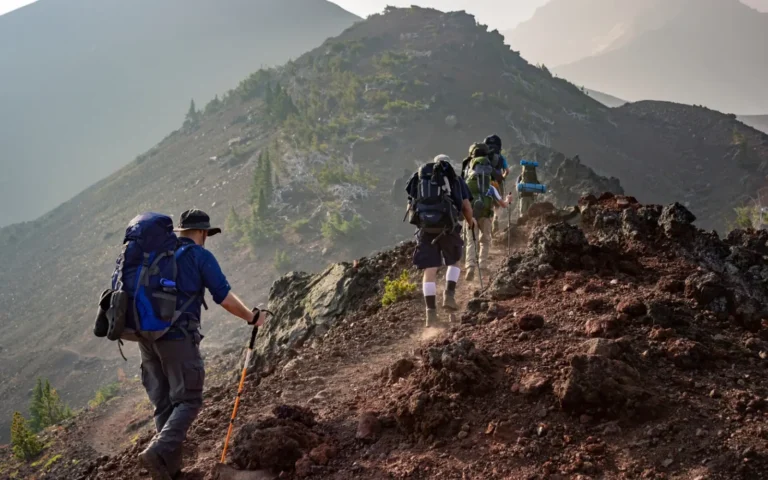
Nepal Teahouse Trekking Guide 2026: What to Expect on the Trail
Complete guide: Everest Base Camp Trek: Complete Guide
If you are planning your first trek in Nepal, you have probably heard the term teahouse trekking. Unlike camping treks where you carry tents and cook your own meals, a teahouse trek means you sleep in mountain lodges and eat at their dining halls every night. It is the most popular way to trek in Nepal — and for good reason. This guide covers everything a first-time trekker needs to know, from what a teahouse actually looks like to how much cash to carry.
What Is a Teahouse Trek?
A teahouse trek is a self-supported but lodge-based trek. You carry your own clothes and personal gear in a daypack (or hire a porter), and each evening you stop at a mountain lodge — called a teahouse or bhatti — that provides a bed, meals, and often a hot shower. You do not need to carry a tent, stove, or food. This model works on Nepal’s most popular routes: Everest Base Camp, Annapurna Circuit, Annapurna Base Camp, Langtang Valley, Manaslu Circuit, and the Ghorepani Poon Hill trek.
Teahouse trekking is what makes Nepal’s Himalayas accessible to trekkers who are not mountaineers. You walk 4–7 hours a day, arrive at a lodge by mid-afternoon, order dal bhat, and swap stories with other trekkers around a wood-fired stove.
What a Teahouse Lodge Looks Like
Teahouses range from basic wooden structures at higher altitudes to comfortable stone lodges with attached bathrooms at lower elevations. Here is what to expect:
| Feature | Lower Elevations (below 3,000 m) | Higher Elevations (above 4,000 m) |
|---|---|---|
| Room | Twin beds, foam mattress, sometimes attached bath | Twin beds, thin mattress, shared toilet outside |
| Electricity | Grid or micro-hydro; charging in room | Solar only; pay to charge (NPR 200–500/device) |
| Heating | Dining hall stove (wood or kerosene) | Dining hall stove (yak dung at highest lodges) |
| Hot shower | Gas or solar; NPR 200–500 | Bucket hot water; NPR 300–600 (may be unavailable) |
| Wi-Fi | Available at most lodges; NPR 200–500 | Everest Link Wi-Fi card (NPR 2,000+ for 10 GB); patchy elsewhere |
| Toilet | Western or squat, sometimes attached | Squat toilet, shared, bring your own paper |
Rooms are unheated — the only warm space is the dining hall. Bring a good sleeping bag (rated to -10°C or lower for high-altitude treks). Lodges provide a pillow and blanket, but the blanket may not be washed between guests; a sleeping bag liner adds hygiene and warmth.
Food on the Trail: The Dal Bhat Power
Every teahouse has a menu, and nearly every menu looks the same. The Nepali staple is dal bhat — steamed rice, lentil soup, vegetable curry, and pickle. It is nutritious, filling, and almost always comes with free refills. Trekkers joke that “dal bhat power, 24 hour” is the fuel of the Himalayas.
Other common menu items:
- Breakfast: porridge, Tibetan bread with jam or honey, eggs (fried, boiled, omelette), pancakes, muesli
- Lunch/Dinner: fried rice, chowmein, momos (dumplings), thukpa (noodle soup), pizza, spaghetti, potato dishes
- Drinks: black tea, milk tea, lemon tea, ginger tea, hot chocolate, instant coffee, boiled water
Important food safety rules: Eat only cooked food served hot. Avoid raw vegetables and salads (washed in untreated water). Do not eat meat above 3,500 m — it has likely been carried up for days without refrigeration. Stick to vegetarian meals at high altitude. Boiled water or water purified with tablets/filter is essential; never drink untreated stream water.
Daily Costs: Budgeting for a Teahouse Trek
Teahouse trekking is surprisingly affordable. Costs rise with altitude because every item — from rice to kerosene — is carried up by porters or mules. Here are typical per-person daily costs as of 2026:
| Item | Lower Elevations | Higher Elevations (above 4,000 m) |
|---|---|---|
| Room (twin) | NPR 300–800 (USD 2–6) | NPR 500–1,000 (USD 4–8) |
| Dal bhat | NPR 500–700 (USD 4–5) | NPR 700–1,000 (USD 5–8) |
| Other meals | NPR 400–700 (USD 3–5) | NPR 600–900 (USD 5–7) |
| Hot shower | NPR 200–400 (USD 1.50–3) | NPR 400–600 (USD 3–5) |
| Device charging | Free or NPR 100–200 | NPR 200–500 |
| Boiled water (1L) | NPR 100–200 | NPR 200–400 |
Budget estimate: NPR 2,500–4,500 (USD 19–34) per person per day for room + three meals + drinks. Carry all cash in Nepali rupees — there are no ATMs on the trail. For a 12-day Everest Base Camp trek, budget NPR 30,000–55,000 (USD 230–420) for on-trail expenses, plus permits and transport.
A Typical Day on a Teahouse Trek
Here is what a day looks like on a Nepal teahouse trek:
- 6:00–7:00 AM: Wake up, pack your bag, order breakfast. The dining hall is already warm from the morning fire.
- 7:00–8:00 AM: Eat breakfast, fill water bottles, settle the bill from the night before.
- 8:00 AM–12:00 PM: Walk 3–4 hours. The morning is the clearest weather window — you want to be on the trail early.
- 12:00–1:00 PM: Lunch at a trailside teahouse. Order dal bhat or fried rice; rest for 30–45 minutes.
- 1:00–3:00 PM: Walk another 2–3 hours to the night’s stop. Arrive by mid-afternoon before clouds roll in.
- 3:00–6:00 PM: Check into your room, take a (lukewarm) shower if available, explore the village, read, or play cards in the dining hall.
- 6:00–7:00 PM: Order dinner. The dining hall fills up; this is the social heart of teahouse trekking.
- 8:00–9:00 PM: Head to your room. It is cold. Get into your sleeping bag. Sleep.
Hygiene and Health on the Trail
Staying healthy is the single most important factor in a successful trek. The two biggest risks are waterborne illness and altitude sickness.
Water Safety
Never drink untreated water from streams, taps, or village spouts. Your options: (a) buy boiled water at lodges, (b) use a water filter or purification tablets, (c) use a UV steripen. Boiled water is the safest and most widely available — every lodge sells it. Avoid plastic waste by carrying a reusable bottle and refilling.
Altitude Sickness (AMS)
The Nepal Tourism Board advises that any trekker above 2,500 m who feels unwell should assume it is Acute Mountain Sickness (AMS) until proven otherwise. Early symptoms include headache, loss of appetite, nausea, fatigue, and dizziness. The only reliable treatment is descent — do not go higher if symptoms persist or worsen. The Himalayan Rescue Association (HRA) runs aid posts at Pheriche (4,250 m, Everest route) and Manang (3,550 m, Annapurna Circuit) staffed by volunteer doctors during spring and autumn seasons. They also offer free daily talks on altitude sickness at 3 PM.
Prevention: ascend slowly (no more than 300–500 m gain in sleeping altitude per day above 2,500 m), take a rest day after every 1,000 m of gain, drink plenty of water, and consider acetazolamide (Diamox) after consulting a doctor.
What to Pack for a Teahouse Trek
You do not need a tent, stove, or food — but you do need the right clothing and personal gear. Here is the essential packing list:
| Category | Items |
|---|---|
| Footwear | Worn-in trekking boots, camp shoes/sandals for evenings |
| Clothing (layers) | Base layer (merino/synthetic), fleece mid-layer, down jacket, waterproof shell (jacket + pants) |
| Sleeping | Sleeping bag (-10°C or lower), sleeping bag liner, earplugs |
| Hydration | Reusable water bottles (2L capacity), water filter/tablets |
| Health | First-aid kit, Diamox (if prescribed), sunscreen SPF 50+, lip balm, hand sanitizer, toilet paper |
| Electronics | Power bank (20,000 mAh+), headlamp, phone/camera, charging cables |
| Documents | Passport, passport photos (for permits), travel insurance, TIMS card, permits |
| Misc | Trekking poles, dry bags/stuff sacks, snacks (nuts, chocolate, energy bars), cash (NPR) |
Teahouse Etiquette: Dos and Don’ts
- Do remove your shoes before entering the dining hall or rooms — this is standard in Nepali homes and lodges.
- Do order meals at the lodge where you are sleeping. Lodges expect you to eat dinner and breakfast where you stay; the room price is subsidized by meal purchases.
- Do greet with “Namaste” and a smile. A little Nepali goes a long way.
- Don’t expect en-suite bathrooms or 24/7 hot water above 3,500 m. Adjust expectations with altitude.
- Don’t haggle aggressively over room prices. The margins are thin, and your NPR 100 saving means a lot less to you than to the lodge owner.
- Don’t give sweets or money to children on the trail — it encourages begging. Support communities by buying local crafts or hiring local guides and porters.
- Don’t use wet wipes and leave them on the trail. Pack out all non-biodegradable waste.
Guided vs. Independent Teahouse Trekking
As of March 2023, the Nepal Tourism Board mandates that all foreign trekkers in designated conservation areas must be accompanied by a licensed guide. This applies to Everest, Annapurna, Langtang, Manaslu, and most popular trekking regions. The TIMS (Trekkers’ Information Management System) card now requires a guide’s details. Independent trekking without a guide is no longer permitted on these routes.
You can hire a guide and/or porter through a registered trekking agency in Kathmandu or Pokhara. A guide costs roughly USD 25–35 per day; a porter USD 20–25 per day. A good guide handles navigation, lodge bookings, permits, and emergency response — and their local knowledge transforms the trek from a walk into a cultural experience.
Frequently Asked Questions
Do I need to book teahouses in advance?
During peak seasons (October–November and March–April), popular stops on the Everest and Annapurna routes can fill up. Your guide will typically call ahead or send a porter ahead to secure rooms. If trekking independently (where still permitted), arrive by early afternoon to get a bed. In off-season, you will rarely have trouble finding a room.
Is the food safe to eat?
Yes, if you follow basic rules: eat cooked food served hot, avoid raw vegetables and salads, skip meat above 3,500 m, and drink only boiled or treated water. Dal bhat is the safest meal on the trail — it is cooked fresh and served piping hot.
Can I charge my phone and camera?
Yes, at most lodges — but expect to pay NPR 200–500 per device at higher altitudes. Bring a large power bank (20,000 mAh+) so you can charge it once and top up your devices for several days. Solar chargers are unreliable in the mountains.
What if I get sick on the trail?
For mild AMS symptoms, rest and do not ascend. If symptoms worsen, descend immediately with a companion. The HRA aid posts at Pheriche and Manang have volunteer doctors during peak seasons. Every trekker should carry travel insurance that covers helicopter evacuation above 5,000 m — a rescue can cost USD 3,000–10,000 without insurance.
How much cash should I carry?
There are no ATMs on any trekking route. Carry all the cash you will need for the entire trek, plus a 20% buffer. For a 12-day trek, NPR 40,000–60,000 (USD 300–450) is a safe estimate for on-trail expenses. Change large notes in Kathmandu or Pokhara before departing — lodges rarely have change for NPR 1,000 notes above 4,000 m.
Key Takeaways
- Teahouse trekking is the standard way to trek in Nepal — you sleep in lodges and eat at their dining halls; no tent or stove needed.
- Rooms are basic and unheated; bring a good sleeping bag and earplugs.
- Dal bhat is the safest, most reliable meal on the trail — vegetarian is the smart choice at altitude.
- Budget NPR 2,500–4,500 (USD 19–34) per day for room, meals, and incidentals. Carry all cash in rupees.
- As of March 2023, a licensed guide is mandatory on most popular trekking routes (TIMS requirement).
- Altitude sickness is the biggest risk above 2,500 m — ascend slowly, hydrate, and descend if symptoms worsen.
- Pack out all waste, respect lodge etiquette, and support local communities by hiring local guides and porters.
Sources: Nepal Tourism Board — Safety in the Mountains (ntb.gov.np), Himalayan Rescue Association (himalayanrescue.org.np), Department of Immigration Nepal. Information current as of August 2026.
Related guides
Share this content: