Nepal Trekking Grades Explained: Difficulty Levels, Routes & Fitness Guide (2026)
Nepal’s trekking routes are graded from easy to strenuous, and understanding these difficulty levels is the single most important step in choosing the right trek. This guide explains the official trekking grading system used in Nepal, compares popular routes at each grade, and tells you exactly what fitness, experience, and preparation you need for each level.
Table of Contents
- What Are Nepal Trekking Grades?
- Grade 1 — Easy Treks (2,000–3,000 m)
- Grade 2 — Moderate Treks (3,000–4,000 m)
- Grade 3 — Challenging Treks (4,000–5,000 m)
- Grade 4 — Strenuous Treks (5,000+ m & High Passes)
- Grade 5 — Alpine & Mountaineering Expeditions
- Comparison Table: All Major Routes
- Fitness Requirements by Grade
- How Altitude Affects Difficulty
- Best Time to Trek by Grade
- Key Takeaways
- Frequently Asked Questions
What Are Nepal Trekking Grades?
Nepal does not have a single universally mandated grading system, but the trekking industry — including the Nepal Tourism Board, Trekking Agencies’ Association of Nepal (TAAN), and established expedition operators — broadly classifies treks on a 1-to-5 scale. This scale considers four factors:
- Maximum altitude reached — higher means harder, due to reduced oxygen and acclimatisation demands.
- Daily walking hours — treks averaging 5–6 hours/day are moderate; 7–9 hours/day push into strenuous.
- Terrain difficulty — flat well-maintained trails vs. steep scree, glacial moraine, or high passes.
- Duration and remoteness — longer, more remote treks require greater stamina and self-sufficiency.
The grading is advisory, not regulatory. However, most reputable trekking agencies in Nepal use it consistently, and it aligns closely with international trekking classification systems. When you book through a licensed operator, the grade will be stated in the trek itinerary.
Understanding your grade helps you avoid the most common — and most dangerous — mistake in Nepal trekking: attempting a route above your fitness or acclimatisation level. According to safety guidance from the Nepal Tourism Board, altitude-related illnesses like AMS, HAPE, and HACE become significant risks above 2,500 m, and preparation should match the altitude profile of your chosen trek.
Grade 1 — Easy Treks (2,000–3,000 m)
Easy treks are suitable for first-time trekkers, families with children over 8, and anyone with a basic level of fitness. These routes stay below 3,000 m, involve 3–5 hours of walking per day on well-marked trails, and have comfortable teahouse accommodation throughout.
What to Expect
- Gradual ascents on maintained trails — no technical terrain or scrambling.
- Teahouses with hot showers, Wi-Fi, and full menus at every overnight stop.
- No prior trekking experience required. If you can walk 10–15 km comfortably, you can do a Grade 1 trek.
- Minimal altitude risk — most nights are spent between 1,500 m and 2,800 m.
Popular Grade 1 Routes
Poon Hill Trek (3–4 days): The classic short trek in the Annapurna region, reaching 3,210 m at Poon Hill for a sunrise view of Dhaulagiri and Annapurna. This is the most recommended first trek in Nepal. Starting and ending in Pokhara, it passes through rhododendron forests and Gurung villages.
Helambu Trek (5–7 days): A low-altitude trek north of Kathmandu, staying below 3,650 m but typically graded easy-to-moderate. It offers Sherpa culture, dense forests, and Helambu’s apple orchards without the commitment of a longer expedition.
Dhampus & Australian Camp (2 days): A weekend trek from Pokhara that delivers Annapurna South views at 2,100 m — a perfect taster for those with limited time.
Fitness Requirement
Walking 5 km/day on flat terrain without breathlessness is sufficient. No special training is needed, though walking 3–4 times per week for 2–3 weeks before departure will make the experience more enjoyable.
Grade 2 — Moderate Treks (3,000–4,000 m)
Moderate treks reach altitudes of 3,500–4,000 m and involve 5–6 hours of daily walking. They include some steep sections, stone staircases, and minor altitude exposure. These treks are the sweet spot for most active travellers — challenging enough to be rewarding, but accessible without mountaineering skills.
What to Expect
- Well-established teahouse routes with reliable food and lodging throughout.
- Some days with 600–800 m of ascent or descent on stone steps and forest trails.
- One or two nights above 3,500 m — acclimatisation rest days are built into good itineraries.
- Mild altitude symptoms possible (mild headache, slight breathlessness) but manageable with proper pacing and hydration.
Popular Grade 2 Routes
Mardi Himal Trek (5–7 days): A shorter, less-crowded alternative in the Annapurna region, reaching 4,500 m at Mardi Base Camp. The Mardi Himal trek is ideal for those who want a moderate challenge with outstanding close-up views of Machhapuchhre and Annapurna.
Ghorepani–Poon Hill–Ghandruk Circuit (4–6 days): An extension of the basic Poon Hill trek that adds the Gurung village of Ghandruk and a circuit through the Annapurna foothills.
Langtang Valley Trek (7–9 days): Starting from Syabrubesi, this trek reaches 4,300 m at Kyanjin Ri. The Langtang Valley trek offers a rare combination of moderate difficulty, rich Tamang culture, and spectacular glacier views — all within a week’s reach from Kathmandu.
Fitness Requirement
You should be able to walk 15–20 km in a day with a light daypack. Recommended preparation: 3–4 cardio sessions per week (jogging, cycling, or brisk hill walking) for at least 4 weeks before departure. If you exercise regularly and can hike 4–5 hours comfortably, you are ready for Grade 2.
Grade 3 — Challenging Treks (4,000–5,000 m)
Challenging treks go above 4,000 m and often reach 5,000 m+ viewpoints. They involve 6–8 hours of walking per day, with some longer days on rugged terrain. These routes require solid fitness and a willingness to manage altitude carefully.
What to Expect
- Multiple nights above 3,800 m — mandatory acclimatisation days are essential.
- Trails include glacial moraine, rocky scree, and potentially snow-dusted sections depending on the season.
- Teahouses still available on most routes, but amenities become more basic at higher altitudes.
- Weather can change rapidly — warm layers and a four-season sleeping bag are necessary.
Popular Grade 3 Routes
Annapurna Base Camp Trek (7–11 days): Reaching 4,130 m at ABC, this is Nepal’s most popular moderate-to-challenging trek. The Annapurna Base Camp trek takes you into a natural amphitheatre surrounded by Annapurna South, Hiunchuli, and Machhapuchhre.
Gokyo Lake Trek (12–14 days): Reaching 5,357 m at Gokyo Ri, the Gokyo Lake trek offers turquoise high-altitude lakes and a view of four 8,000 m peaks from a single vantage point — without the crowds of the main EBC route.
Upper Mustang Trek (10–14 days): A culturally distinct, rain-shadow trek reaching 4,200 m at multiple points. The Upper Mustang trek offers a landscape of red-rock canyons, ancient cave systems, and the walled city of Lo Manthang.
Fitness Requirement
Strong cardiovascular fitness is essential. You should be comfortable hiking 6–7 hours with a 5–8 kg daypack. Prepare for at least 6–8 weeks: 4–5 weekly cardio sessions plus leg-strengthening exercises (squats, lunges, step-ups). Stair climbing with a loaded pack is one of the best preparations.
Grade 4 — Strenuous Treks (5,000+ m & High Passes)
Grade 4 treks are serious undertakings. They cross high passes above 5,000 m, involve 7–9 hours of walking on difficult days, and may include sections on glacial ice where crampons are needed. These routes demand excellent fitness, prior high-altitude experience, and mental resilience.
What to Expect
- Nights spent above 4,500 m, with passes above 5,300 m.
- Basic teahouses or camping on some sections.
- Risk of HAPE and HACE — mandatory acclimatisation days and oxygen saturation monitoring.
- Potential itinerary changes due to weather, trail conditions, or altitude symptoms.
Popular Grade 4 Routes
Everest Base Camp Trek (12–14 days): Reaching 5,364 m at EBC (with Kala Patthar at 5,545 m), this is Nepal’s most iconic high-altitude trek. The complete EBC trek guide covers everything from the Lukla flight to acclimatisation schedules and safety protocols.
Annapurna Circuit Trek (12–16 days): Crossing the 5,416 m Thorong La pass, the Annapurna Circuit trek is the classic high-pass route. It transitions from lush subtropical valleys to the arid, Tibetan-influenced Mustang region.
Manaslu Circuit Trek (14–18 days): Crossing the 5,160 m Larkya La pass, the Manaslu Circuit trek is a restricted-area trek offering raw, less-commercialised mountain culture and solitude.
Three Passes Trek (18–21 days): The ultimate Everest region challenge — crossing Renjo La (5,360 m), Cho La (5,420 m), and Kongma La (5,535 m) in a single loop. This trek is for experienced trekkers only.
Fitness Requirement
Excellent fitness with prior trekking experience above 4,000 m is strongly recommended. Prepare for 8–12 weeks: 5–6 weekly cardio sessions (including hill sprints or interval training), strength training (legs, core, back), and practice hikes with a full pack (10–12 kg) on consecutive days.
Grade 5 — Alpine & Mountaineering Expeditions
Grade 5 covers climbing peaks and full mountaineering expeditions. In Nepal, this includes the designated “trekking peaks” (such as Island Peak at 6,189 m, Mera Peak at 6,476 m, and Lobuche East at 6,119 m) as well as full 7,000 m and 8,000 m expeditions.
These require:
- Technical mountaineering skills — use of ropes, crampons, ice axes, and fixed lines.
- Prior high-altitude trekking experience (Grade 4) as a minimum prerequisite.
- Peak permits from the Nepal Mountaineering Association (NMA) or the Department of Tourism for higher peaks.
- Support from a qualified climbing guide or Sherpa team.
Travellers wanting a guided climb should look at organised peak-climbing packages that include permits, guides, equipment, and acclimatisation built into the itinerary.
Comparison Table: All Major Routes
| Trek | Grade | Max Altitude | Duration | Best For |
|---|---|---|---|---|
| Poon Hill | 1 — Easy | 3,210 m | 3–4 days | Beginners, families, short trips |
| Helambu | 1–2 Easy/Mod | 3,650 m | 5–7 days | Culture, low altitude, near Kathmandu |
| Mardi Himal | 2 — Moderate | 4,500 m | 5–7 days | Solo trekkers, quieter route |
| Langtang Valley | 2 — Moderate | 4,300 m | 7–9 days | Culture + glacier views, moderate effort |
| Annapurna Base Camp | 3 — Challenging | 4,130 m | 7–11 days | First high-altitude trek, amphitheatre views |
| Gokyo Lakes | 3 — Challenging | 5,357 m | 12–14 days | Lakes, fewer crowds, Everest views |
| Upper Mustang | 3 — Challenging | 4,200 m | 10–14 days | Desert landscape, Tibetan culture |
| Everest Base Camp | 4 — Strenuous | 5,545 m | 12–14 days | Iconic EBC + Kala Patthar summit view |
| Annapurna Circuit | 4 — Strenuous | 5,416 m | 12–16 days | High pass crossing, diverse ecosystems |
| Manaslu Circuit | 4 — Strenuous | 5,160 m | 14–18 days | Restricted area, raw culture, solitude |
| Three Passes | 4 — Strenuous | 5,535 m | 18–21 days | Experienced trekkers, 3 high passes |
| Mera Peak | 5 — Alpine | 6,476 m | 16–20 days | Trekking peak climb, first mountaineering |
Fitness Requirements by Grade
Here is a practical breakdown of what fitness level you need for each grade — and how to prepare if you are not there yet:
Grade 1 (Easy) — Basic Fitness
- Benchmark: Walk 5 km on flat ground without discomfort.
- Prep: 2–3 weeks of daily 30-minute walks. No special training needed.
- Who can do it: Anyone in average health, including seniors and children 8+.
Grade 2 (Moderate) — Active Fitness
- Benchmark: Hike 15 km or jog 5 km without stopping.
- Prep: 4 weeks of 3–4 cardio sessions (30–45 min each). Add hill walks or stair climbing.
- Who can do it: Regular walkers, weekend hikers, gym-goers. No prior trekking experience required.
Grade 3 (Challenging) — Strong Fitness
- Benchmark: Hike 6 hours with a loaded pack on uneven terrain.
- Prep: 6–8 weeks of 4–5 weekly cardio sessions. Add strength training: squats, lunges, calf raises. Practice hiking with a 6–8 kg pack on consecutive days.
- Who can do it: Experienced hikers, regular exercisers. First-timers can attempt if they train seriously for 2 months.
Grade 4 (Strenuous) — Excellent Fitness + Experience
- Benchmark: Hike 8+ hours at altitude with a 10 kg pack, multiple days in a row.
- Prep: 8–12 weeks of structured training: 5–6 cardio sessions/week including intervals and long hikes, plus strength training. Prior experience above 4,000 m is strongly advised.
- Who can do it: Experienced trekkers. Do NOT attempt as a first trek unless you have extensive athletic background.
Grade 5 (Alpine) — Mountaineering Skills
- Benchmark: Proficient with ropes, crampons, ice axe arrest, and crevasse rescue.
- Prep: Mountaineering course + prior Grade 4 treks. Climbing-specific training.
- Who can do it: Trained climbers only. Always with a certified guide.
How Altitude Affects Difficulty
Altitude is the single biggest factor that makes a trek harder than its distance or elevation gain suggests. Above 2,500 m, the air contains measurably less oxygen. Your body compensates by breathing faster and producing more red blood cells — but this takes time, which is why acclimatisation days are non-negotiable on Grade 3+ treks.
Here is what happens at each altitude band:
| Altitude | Oxygen Level | Effect on Trekkers |
|---|---|---|
| Below 2,500 m | ~90%+ | No altitude effects. Normal performance. |
| 2,500–3,500 m | 85–90% | Mild breathlessness on climbs. Most people adapt within 1–2 days. |
| 3,500–4,500 m | 75–85% | Noticeably harder breathing. Mild headaches common. Acclimatisation days needed. |
| 4,500–5,500 m | 60–75% | Significant altitude. 10–20% of trekkers experience AMS symptoms. Slow pacing essential. |
| Above 5,500 m | Below 60% | Extreme altitude. Acclimatisation limit. HAPE/HACE risk is real. Descent is the only cure. |
The golden rule: climb high, sleep low. Never gain more than 500 m of sleeping altitude per day above 3,000 m. If you feel symptoms — headache, nausea, dizziness, loss of appetite — stop ascending. If symptoms worsen, descend immediately. For a full medical breakdown, see the Nepal Trekking Safety and Health Guide.
Best Time to Trek by Grade
Nepal has two primary trekking seasons — autumn (September–November) and spring (March–May). However, the ideal season varies slightly by grade:
| Grade | Best Season | Why |
|---|---|---|
| Grade 1 (Easy) | Oct–Apr | Pleasant weather, clear views. Even winter is fine at low altitude. |
| Grade 2 (Moderate) | Oct–Nov, Mar–May | Stable trails, moderate temperatures. Avoid monsoon (Jun–Sep). |
| Grade 3 (Challenging) | Oct–Nov, Mar–May | Clear skies essential for high viewpoints. Spring has rhododendrons. |
| Grade 4 (Strenuous) | Oct–Nov (best), Apr–May | Passes need clear weather. October has the most stable conditions. Spring is second choice. |
| Grade 5 (Alpine) | Apr–May, Sep–Oct | Spring for acclimatisation climbs; autumn for stable weather windows. |
For a detailed month-by-month breakdown including monsoon and winter considerations, see the best time to visit Nepal guide. Also make sure you have the right gear — the Nepal Trekking Packing List covers what to bring for each grade and season.
Key Takeaways
- Grade matters more than distance. A 100 km Grade 2 trek is safer and easier than a 40 km Grade 4 trek that crosses a 5,400 m pass.
- Altitude is the great equaliser. Even very fit trekkers can get AMS. Acclimatisation days are not optional on Grade 3+ routes.
- Start one grade below your maximum. If your fitness allows Grade 3, start with a Grade 2 trek to test your body’s altitude response before committing to a 14-day Grade 4 route.
- Train for the grade, not just the trip. The training guidelines above are minimums. More preparation always pays off at altitude.
- Use licensed operators for Grade 4+. A guide and support team are essential for safety, navigation, and emergency evacuation on high passes and restricted areas.
Frequently Asked Questions
What is the easiest trek in Nepal?
The Poon Hill Trek (3–4 days, max 3,210 m) is widely considered the easiest proper trek in Nepal. It requires no prior experience, has comfortable teahouses throughout, and delivers one of the best mountain sunrise views in the country.
Can a beginner do the Everest Base Camp trek?
Everest Base Camp is Grade 4 (Strenuous). It is not recommended as a first trek. However, a fit beginner with 2–3 months of dedicated training and no altitude sensitivity can complete it with a guide. The key risk is altitude — 5,364 m is high enough to cause AMS in 15–20% of trekkers. If you are unsure, start with a Grade 2 or 3 trek first.
Do I need a guide for trekking in Nepal?
Since April 2023, the Nepal Tourism Board requires all foreign trekkers to have a licensed guide or be part of an organised group in national parks and conservation areas. A TIMS Card is also mandatory. You can arrange this through any licensed trekking agency. Solo trekking without a guide is no longer permitted on most routes.
How do I know which grade is right for me?
Assess honestly: (1) Can you hike 5–6 hours on hilly terrain? If no, start at Grade 1. (2) Have you trekked above 3,500 m before without altitude problems? If yes, Grade 3 is reasonable. (3) Have you done a multi-day trek above 4,500 m? If yes, Grade 4 is within reach. When in doubt, choose the lower grade — you can always come back for a harder route.
What happens if I get altitude sickness on a trek?
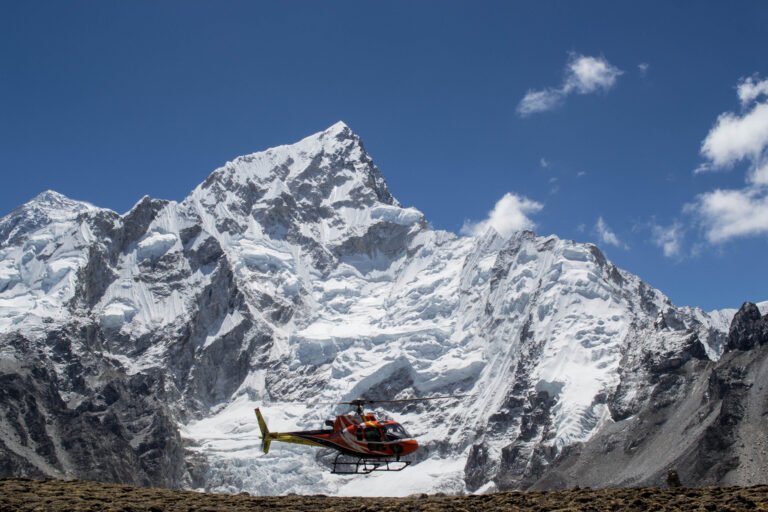
Mild AMS (headache, nausea) is common above 3,500 m and usually resolves with rest, hydration, and painkillers. If symptoms worsen — severe headache, vomiting, confusion, breathlessness at rest — this indicates HAPE or HACE, which are medical emergencies. The only effective treatment is immediate descent of at least 500–1,000 m. Helicopter evacuation is available but expensive without insurance. Always carry adequate trekking insurance that covers high-altitude evacuation.
Are higher grades always better?
No. Grade 1–2 treks often deliver the most memorable cultural experiences and mountain views relative to effort. Poon Hill’s sunrise over Dhaulagiri is arguably the best view-per-effort ratio in Nepal. The “best” trek is the one that matches your fitness, schedule, and comfort level — not the hardest one you can survive.
Published: August 24, 2026. Trekking grades and route conditions are based on information from the Nepal Tourism Board, TAAN, and established trekking operators as of 2026. Always verify current trail conditions and permit requirements before departure.
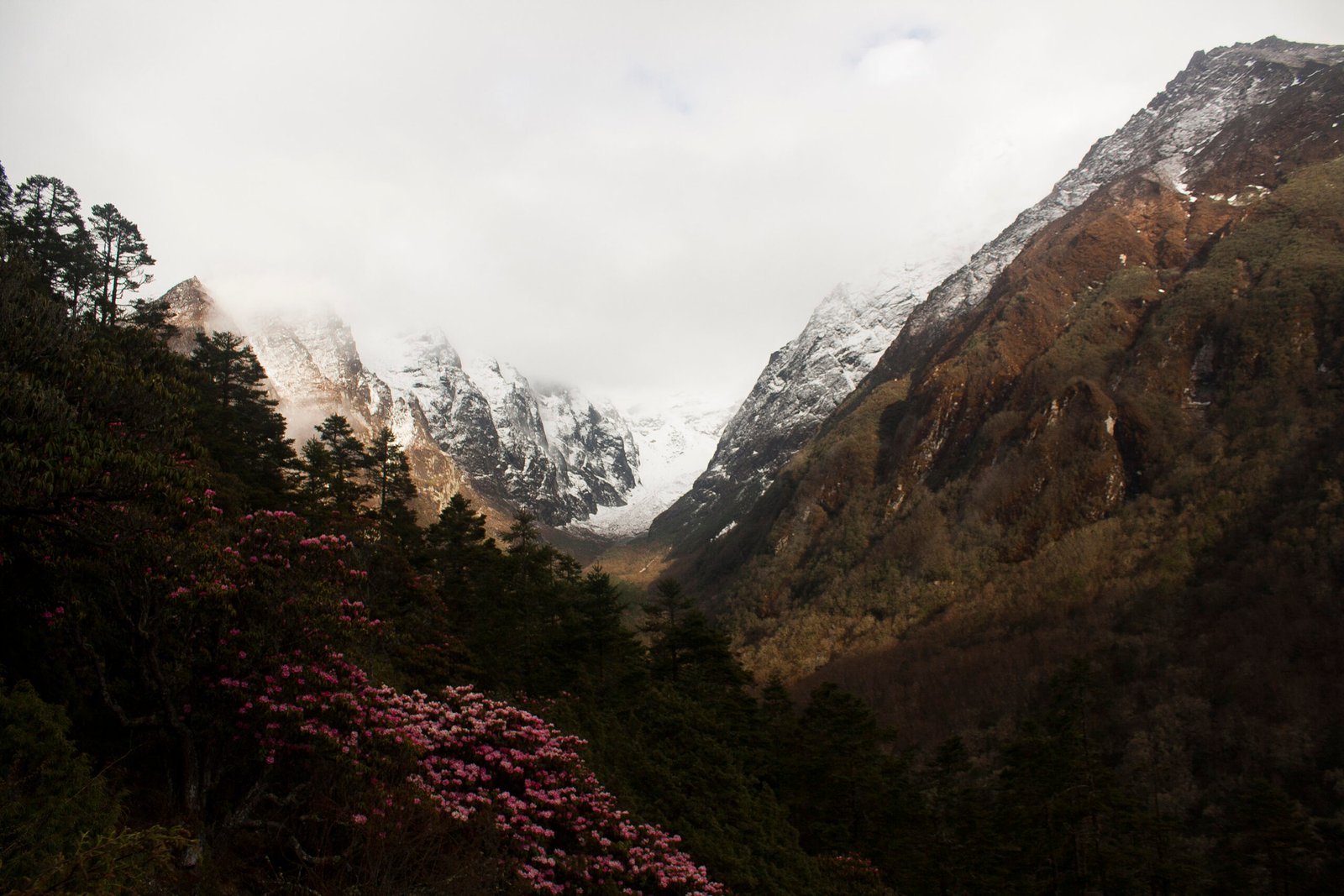
Featured image: Mountain view during trek to Tengboche, Nepal. Photo by Niklassletteland, licensed under CC BY-SA 3.0 via Wikimedia Commons.

Share this content: