Muktinath Temple Pilgrimage Guide 2026: For Hindus & Buddhists
Complete guide: Annapurna Region Treks: Complete Guide
Why is Muktinath sacred? At 3,800 m in the Mustang district, Muktinath is a temple complex revered by both Hindus (as a shrine of Vishnu) and Buddhists (as a place of Dakini). Its eternal flame burning beside a natural spring draws thousands of pilgrims yearly. Here is the 2026 pilgrimage guide.
This 2026 edition covers every practical question pilgrims and trekkers ask us: how to reach the temple by road, air or on foot, what the complex actually contains, current permit rules, realistic costs, where to sleep, what to wear, and the etiquette of visiting a living pilgrimage site. Muktinath is promoted among the signature destinations of the Annapurna region by the Nepal Tourism Board, and because it sits directly on the Annapurna Circuit route, devotees and mountain trekkers share the same trail for much of the year.
Why Muktinath is sacred to two faiths
Hindus know Muktinath as Mukti Kshetra, literally the place of liberation. Tradition holds that Lord Vishnu is present here in the form of the sacred shaligram stone, and that a pilgrimage completed with a ritual bath can break the cycle of rebirth. That promise of moksha is why elderly pilgrims travel for days, across some of Nepal’s roughest roads, to bathe under the 108 waterspouts at nearly 4,000 m.
Buddhists call the site Chumig Gyatsa, the Hundred Waters, and honour it as one of the 24 great tantric power places of the Himalaya. Guru Rinpoche (Padmasambhava), the founder of Tibetan Buddhism in Nepal and Tibet, is believed to have meditated here on his journey north, and the valley is associated with the Dakinis, the sky-going female wisdom beings of Vajrayana Buddhism.
The two traditions meet in a rare arrangement: the Hindu shrine is tended in practice by a Buddhist monastic community, and pilgrims of both faiths circle the same courtyard. Below the temple, the Kali Gandaki river produces black ammonite fossils called shaligram, which Hindus worship as a natural form of Vishnu; you will see them for sale in Jomsom and Kagbeni. Nepal has other shared sacred lakes and shrines, including Gosaikunda Lake in the Langtang region, but Muktinath is the only major Himalayan temple where Hindu and Buddhist worship merge this completely.
How to reach Muktinath
- By road: Pokhara → Jomsom → Muktinath (jeep or motorbike), or via the Kali Gandaki valley from Tatopani. The road is rough in sections.
- By air and jeep: a 20-minute flight from Pokhara to Jomsom, then a 1-2 hour drive up to the temple gate at Ranipauwa.
- By heli: same-day Kathmandu or Pokhara charter landing near the temple; per-seat shuttle options have made this affordable for small groups.
- On foot: as the finale of the Annapurna Circuit or Upper Mustang trek.
| Mode | Time | Typical cost (2026) | Notes |
|---|---|---|---|
| Shared jeep from Pokhara | 2-3 days | USD 25-40 per seat | Scenic but rough; overnight in Jomsom |
| Private jeep (round trip) | 2 days | USD 180-250 | Flexible stops; best for families and elderly pilgrims |
| Flight Pokhara-Jomsom + jeep | 2 days | USD 60-120 + USD 30-60 | Flights land before midday winds |
| Heli (per seat / charter) | Same day | USD 450-950 / USD 4,500-6,000 | Fast, premium, weather dependent |
| Trek (Annapurna Circuit) | 12-18 days | USD 900-1,500 all-in with guide | Combines pilgrimage with a full trek |
Prices above are typical ranges from recent seasons; always confirm current rates when booking, as fuel prices and road conditions move Nepali transport costs quickly.
By road in detail
Most overland pilgrims start from Pokhara. A shared jeep covers the 8-10 hour run to Jomsom in one long day, following the Kali Gandaki through Beni, Tatopani, Ghasa and Marpha. From Jomsom it is another 21 km, roughly 1-2 hours by jeep, to Ranipauwa, the village just below the temple. Leave Pokhara early: the Jomsom valley is famous for ferocious afternoon winds that slow traffic and close flights. During the monsoon (June to August) landslides can block the Beni-Jomsom road for hours or days, so build a buffer day into any rainy-season plan.
By air in detail
The Pokhara-Jomsom flight takes 20 minutes and saves the roughest day of driving, but it only operates in calm morning weather, and cancellations are common in the windy and monsoon seasons. Budget the flight at roughly USD 60-120 one way. From Jomsom airport it is a short drive or a pleasant 4-5 hour walk along the pilgrim path to Muktinath. Kathmandu-Pokhara flights connect easily the evening before.
On foot in detail
Trekkers usually arrive as a reward at the end of the Annapurna Circuit, on day 8-10 from Besisahar, having crossed Thorong La (5,416 m) before descending to the temple. Our 12-day Annapurna Circuit itinerary shows exactly where Muktinath fits into the route, and the broader Annapurna Circuit 2026 guide covers permits and acclimatization in depth. A shorter option is the 5-day Jomsom-Muktinath trek from Jomsom via Kagbeni and Jhong, which lets fit walkers experience Lower Mustang without committing to the full circuit. Organized motorbike tours from Pokhara have also become popular in recent years.
What to expect at the temple
Pilgrims bathe at the 108 water spouts, worship at the Vishnu image, and visit the Buddhist gompa nearby. From Ranipauwa the temple gate is a 20-30 minute walk (or a short jeep shuttle) along a stone path. Dress modestly; the site is windy and cold year-round, so even in October you will want a windproof shell, wool hat and gloves. The temple stays open from early morning until evening. Mornings are calmest for rituals and photography; by late morning the valley wind arrives and the spout area becomes bitterly cold. Tea shops near the gate sell hot drinks, biscuits and offerings, and priests can usually arrange a puja for families on request. Remember you are at 3,800 m: walk slowly, sip water, and let elderly family members rest on the climb.
The temple complex
Muktinath is sacred to both Hindus and Buddhists. Hindus worship it as Mukti Kshetra (place of salvation); Buddhists know it as Chumig Gyatsa (Hundred Waters). The main pagoda-style shrine houses a golden Vishnu idol, while outside, 108 stone waterspouts shaped like cow heads pour ice-cold Himalayan water, and pilgrims traditionally walk under all 108 for purification. Two holy ponds in front of the temple are used for a fuller ritual dip before entering the shrine. A short walk below the complex, the Jwala Mai (goddess of fire) shrine shelters a natural gas seep that feeds an eternal flame burning beside a spring of water, the meeting of earth, fire and water that gives Muktinath part of its mystique. Above the temple, the Sri Gompa monastery completes the circuit: most pilgrims visit shrine, spouts, ponds, flame and monastery in one clockwise sweep of the complex.
Best time to visit
March-May and September-November are the best windows. Autumn is the busiest pilgrimage season: post-monsoon skies are clearest, the road is dry, and October days see long queues of Indian pilgrim groups at the spouts, so book rooms ahead. Spring is warmer and quieter, though late spring brings some haze and the first hot afternoons in the valley. Winter (December-February) is possible but severe: night temperatures fall well below zero at Ranipauwa, snow can close the Thorong La side, and jeep runs are occasionally suspended after storms. The temple itself remains open year-round. Monsoon (June-August) brings landslide risk on the Jomsom road and frequent flight cancellations, though the valley is actually in Mustang’s rain shadow and gets far less rain than Pokhara.
Permits and entry requirements
Yes, you need permits even if you arrive by jeep. The Annapurna Conservation Area Permit (ACAP) is checked at checkpoints along the Kali Gandaki; foreign nationals pay roughly NPR 3,000 (about USD 22) and SAARC nationals including Indians pay a reduced fee of around NPR 1,000, so carry your passport or ID card. A TIMS card (around NPR 2,000) is normally required for the trekking route and is usually included if you travel with an organized tour. Both are issued at the ACAP and Nepal Tourism Board offices in Kathmandu and Pokhara; bring two passport photos. Our complete 2026 permits guide lists current fees and online options. The expensive Upper Mustang restricted-area permit (USD 500 for 10 days, guide mandatory) applies only if you continue north of Kagbeni toward Lo Manthang; visiting Muktinath itself needs only the standard Annapurna permits.
Where to stay
Ranipauwa, the village beside the temple, has two dozen basic guesthouses at USD 8-20 a night: foam mattresses, thick blankets, shared hot showers (often metered or limited), and cozy dining rooms heated by a wood stove. Jomsom, 1-2 hours back down the valley, has the region’s best hotels at USD 15-40, warmer rooms and more reliable power, and suits pilgrims who want comfort with a same-day jeep trip up to the temple. Atmospheric middle options include Kagbeni, with its medieval mud-brick lanes, and Marpha, the famous apple-brandy village, both 30-45 minutes from Ranipauwa by jeep. Book ahead for late September, October and major festival windows, when every bed near the temple fills. Bring a sleeping bag liner regardless of season: rooms are unheated and electricity cuts are normal.
Pilgrimage etiquette and what to wear
Wear modest clothing that covers shoulders and knees, and carry a change of dry clothes plus a towel and rubber sandals for the 108 spouts, because bathing fully clothed in near-freezing water at 3,800 m is a genuine hypothermia risk for older visitors. Many elderly pilgrims sensibly choose to have water poured on their hands and head rather than standing under every spout. Remove shoes before entering shrines, walk clockwise around stupas and chortens, and always ask before photographing rituals or priests. Small donations at the shrines are customary. In windproof gear terms, treat Muktinath like a 3,800 m summit day even in autumn: base layer, fleece, shell, hat, gloves and sun protection.
What a 2026 Muktinath trip realistically costs
- Budget overland (jeep): USD 180-260 for 3 days from Kathmandu, covering transport, permits, simple rooms and meals.
- Comfortable fly-in: USD 300-450 for 2 days using the Pokhara-Jomsom flight each way.
- Heli day trip: USD 450-950 per seat from Kathmandu or Pokhara in a shared shuttle; full charters USD 4,500-6,000.
- Pilgrim group packages from India bundle flights, permits and accommodation and vary widely; check exactly what is included.
Add ACAP and TIMS fees, USD 20-30 a day for food, and a contingency fund for weather-caused extra nights, and you have a realistic budget.
Frequently asked questions
What is the best time for a Muktinath pilgrimage?
March-May and September-November. The temple is open year-round, but winter is severe and monsoon brings landslide and flight delays. Autumn has the clearest weather and the biggest pilgrim crowds.
Is Muktinath only a religious destination?
No. Trekkers on the Annapurna Circuit visit as a cultural highlight regardless of faith, and many hikers describe the temple courtyard as the emotional finale of the whole circuit.
What permits do I need?
The ACAP permit for the Annapurna side, plus TIMS for trekking routes. The Mustang restricted permit applies only if you continue north to Lo Manthang and Upper Mustang.
Do I need a permit if I arrive by jeep?
Yes. ACAP is checked along the Kali Gandaki route even for road travellers, so carry your passport and buy permits in Pokhara before starting.
Is there accommodation near the temple?
Yes, basic guesthouses cluster in Ranipauwa a short walk from the gate, and better hotels are available 1-2 hours away in Jomsom. Book ahead for the September-October pilgrimage peak.
How many days do I need from Kathmandu?
Two to four days. Fly Kathmandu-Pokhara, drive or fly to Jomsom, visit the temple the next morning, and return; allow a buffer day for weather.
Can elderly parents manage the visit?
Yes, with planning. Jeeps reach Ranipauwa, from where the temple is a slow 20-30 minute walk with tea shops en route. The altitude (3,800 m) is the main concern: ascend gently over at least two days, hydrate, and consult a doctor beforehand if there is any heart or lung condition.
Is Muktinath open in winter?
The temple is open, but winter nights are brutally cold and snow sometimes closes the road or flight. If you must travel December-February, confirm road conditions and book heated hotels in Jomsom.
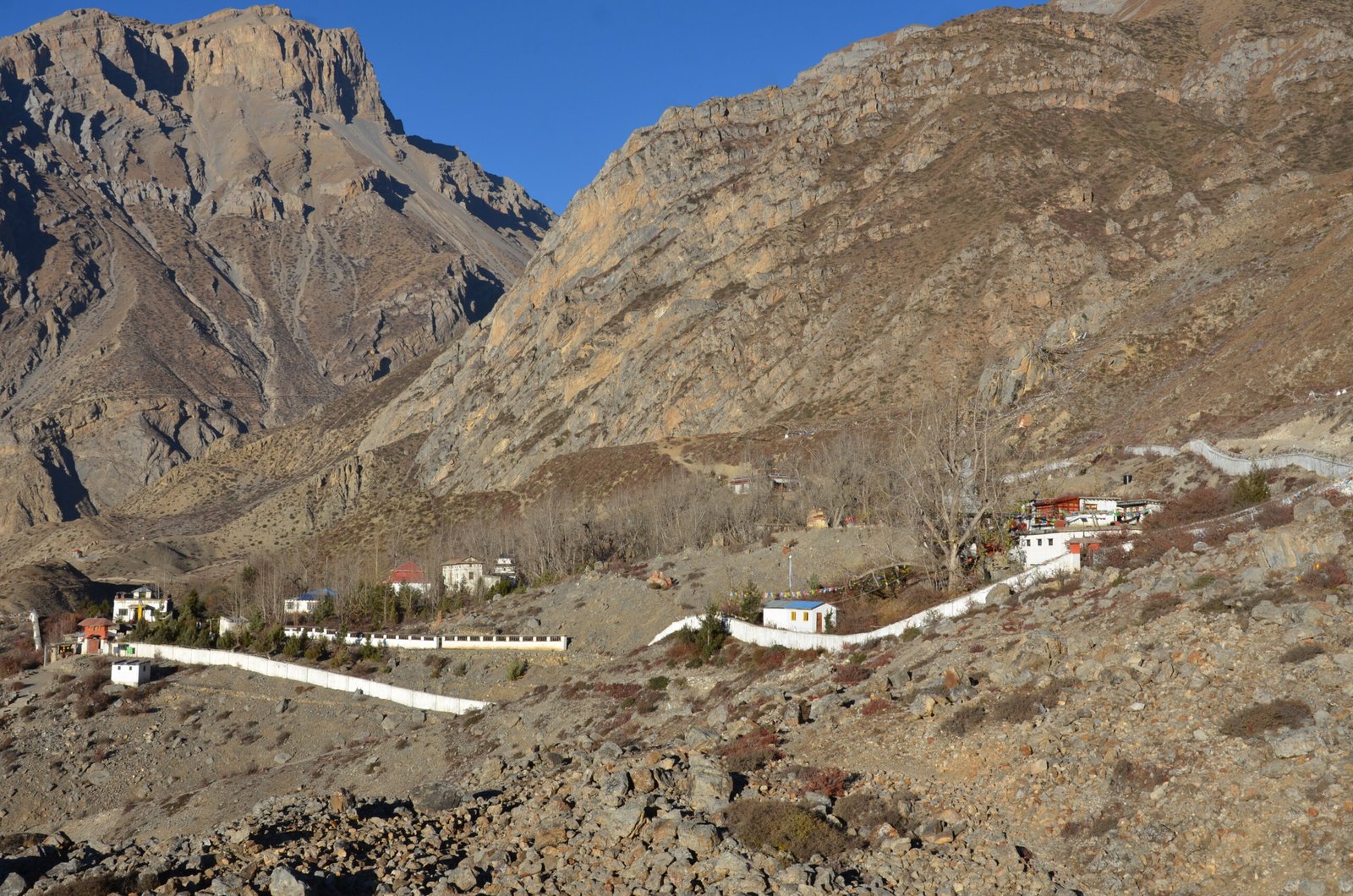
Featured image: Muktinath Temple, via Wikimedia Commons (CC).
Related guides
- Annapurna Circuit Trek 2026 Guide
- Upper Mustang Trek 2026 Guide
- Annapurna Circuit 12-Day Itinerary
- Gosaikunda Lake Trek Guide 2026
Share this content: