Nepal Airlines Jet Grounded in Japan: Traveler Guide
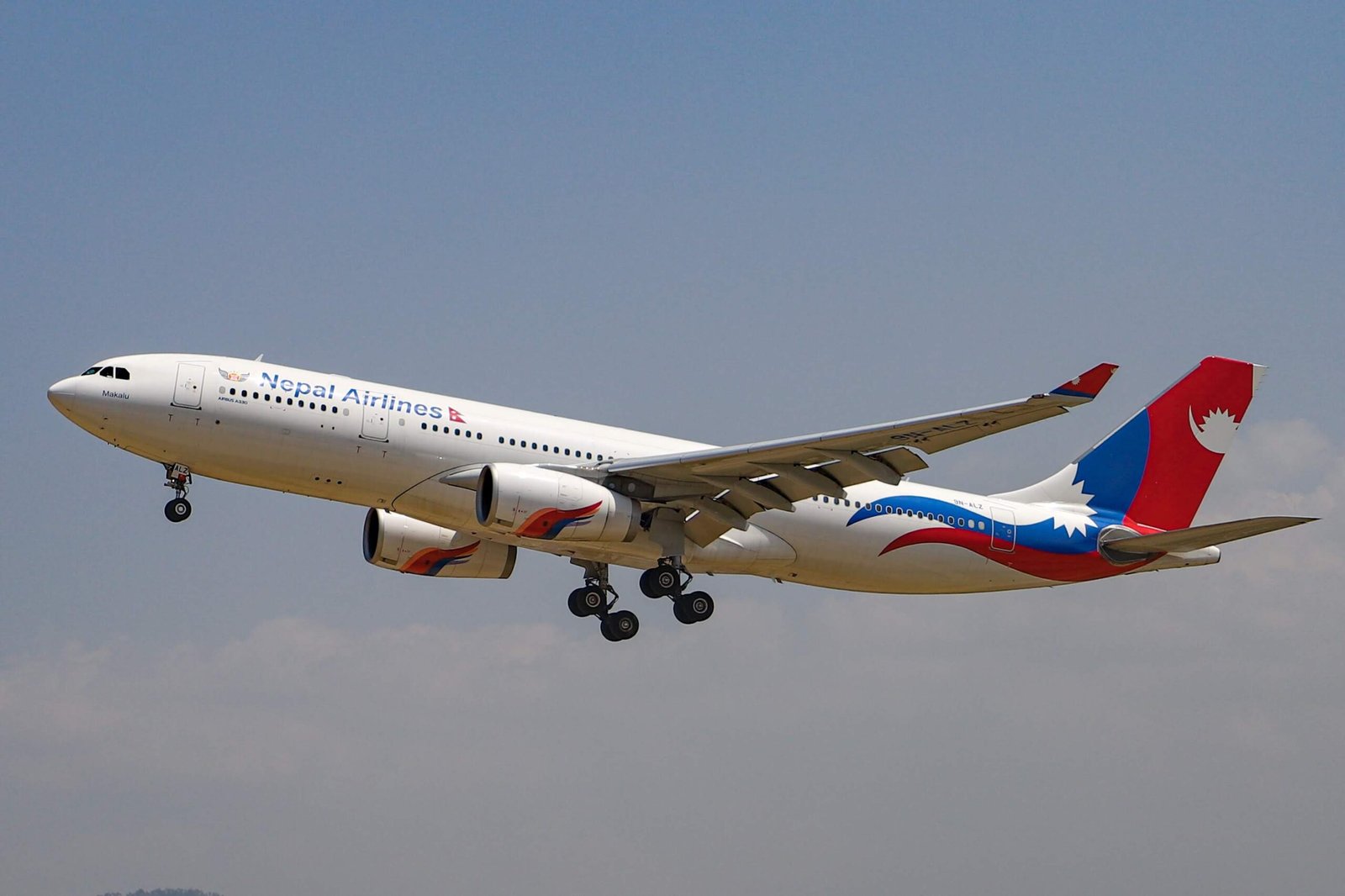
Update, Monday 14 September 2026: Nepal Airlines’ only operational widebody aircraft has been grounded in Japan after a damaged engine blade disrupted its return flight to Kathmandu, deepening an equipment crisis at the national carrier just as Nepal’s autumn trekking season gets underway. The jet, an Airbus A330-200, remains parked at Tokyo’s Narita Airport while the airline scrambles to source a replacement blade, as reported by the Kathmandu Post. Here is what happened, which flights are affected, and what it means if you are flying to Kathmandu in the coming days.
- Nepal Airlines’ only operational widebody jet is grounded at Tokyo Narita after a damaged blade was found on its No. 2 engine; the Monday return flight to Kathmandu did not operate, leaving 226 passengers waiting.
- Doha services on Monday night and Tuesday morning, carrying 269 passengers in each direction, could also be disrupted, the airline warned.
- The carrier’s other widebody has been in maintenance in Italy for an extended period, roughly two weeks past its late-August return target, leaving the airline without a serviceable long-haul workhorse.
- No firm return date: the airline is trying to source a replacement blade from Thai Airways’ stocks in Narita or fly one out from Kathmandu.
- Domestic flights are not directly affected. Travelers flying to Kathmandu in the coming days should confirm their flight status with the airline before leaving for the airport.
Table of contents
- What happened to the jet in Japan
- Which flights are affected
- Status at a glance
- Why Nepal Airlines is down to a single widebody
- What travelers flying to Kathmandu should do now
- Why this matters for autumn trekkers
- Nepal’s wider transport squeeze this month
- When will the grounded jet fly again
- Frequently asked questions
- Sources

What Happened to the Nepal Airlines Jet in Japan?
The widebody was scheduled to depart Narita at 10:30am local time on Monday and arrive at Kathmandu’s Tribhuvan International Airport at 3pm the same day. Instead, the jet stayed on the ground after a damaged blade was discovered on its No. 2 engine, leaving 226 passengers waiting for their travel arrangements to be resolved.
Nepal Airlines confirmed that one of the 26 blades in the engine had been damaged and that the aircraft could not be cleared to fly until the blade is replaced. The jet had operated the outbound leg from Kathmandu to Japan on Sunday night, departing Tribhuvan International Airport at 11pm, before the fault was found ahead of the return leg.
Devendra Pun, the airline’s technical spokesperson, said the carrier was exploring two options for the replacement part: sourcing a blade from Thai Airways’ stocks in Narita or flying one out from Kathmandu. “We are discussing whether to get the blade from Thai Airways in Narita or send one from Nepal,” Pun said. “If Thai Airways does not have one available, we will try to send it from Kathmandu as soon as possible.”
The aircraft will return to service once the damaged blade has been replaced and the jet is certified airworthy, the airline said.
Which Nepal Airlines Flights Are Affected?
The immediate disruption centers on two routes, with possible knock-on effects across the airline’s international network:
- Narita to Kathmandu: The Monday return flight did not operate as scheduled, and the 226 passengers booked on the service were left waiting in Japan while the engine repair is arranged.
- Kathmandu to Doha and back: A Doha-bound flight scheduled for Monday night, carrying 269 passengers, and the returning Doha service on Tuesday morning, carrying another 269 passengers, could both be disrupted, the airline warned.
With only one widebody available for long-haul flying and that aircraft now out of action, further schedule changes on Nepal Airlines’ international routes remain possible through the week. Passengers booked with the carrier in the coming days should check their flight status before leaving for the airport and keep an eye on airline notifications.
Status at a Glance
| Item | Status as of Monday, September 14, 2026 |
|---|---|
| Narita to Kathmandu return flight | Did not operate as scheduled; 226 passengers awaiting arrangements |
| Kathmandu to Doha (Monday night) | At risk; 269 passengers booked |
| Doha to Kathmandu (Tuesday morning) | At risk; 269 passengers booked |
| Second widebody (in Italy) | Still in maintenance, roughly two weeks past its late-August return target |
| Domestic Nepal flights | Not directly affected, but seats are in high demand this month |
Why Nepal Airlines Is Down to a Single Widebody
The Narita grounding is the sharp edge of a longer-running equipment problem. Nepal Airlines operates a small fleet of four aircraft, and only one of its two widebody jets has been carrying international services in recent weeks. The other widebody has been in Italy for an extended maintenance period, sent there for repairs to a problem with the engine’s C-duct.
The airline had originally planned to bring the Italian aircraft home by late August, but it has remained in Italy nearly two weeks beyond that target. With one widebody undergoing maintenance in Italy and the other now grounded in Japan, the carrier is effectively without its long-haul workhorses, and the pressure on its remaining aircraft has grown accordingly.
Repeated maintenance delays and technical problems have disrupted the airline’s schedule for months, leaving the carrier with limited capacity to sustain its international network. For travelers, the practical consequence is a higher-than-usual risk of last-minute changes on the routes the airline serves.
What Should Travelers Flying to Kathmandu Do Now?
If you hold a Nepal Airlines booking to or from Kathmandu in the coming days, a few practical steps will keep you ahead of any schedule changes:
- Check your flight status before you travel to the airport. With aircraft availability in flux, departure times can shift at short notice. Confirm the latest status on the airline’s channels or your booking portal before leaving for the airport.
- Keep your booking reference and contact channels handy. If a flight is disrupted, rebooking goes fastest for passengers who reach out proactively rather than waiting at the airport counter.
- Build buffer time into your Nepal itinerary. If your trek or tour has a fixed start date, arriving a day or two early insulates your plans from a single canceled flight. This matters most in late September and October, when departure slots for treks are busiest.
- Know your alternatives. Kathmandu is served by a range of international carriers, including airlines connecting through Doha, Dubai, Bangkok, Kuala Lumpur, Delhi and Singapore. If your Nepal Airlines flight is canceled, asking your booking agent about alternative carriers can open rebooking options.
Why This Matters for Autumn Trekkers
The grounding lands at a sensitive moment for Nepal tourism. Late September marks the ramp-up of the autumn climbing and trekking season, the busiest window of the year for expeditions and the period when many international trekkers begin arriving for the October walking season. Teams heading for Everest, Manaslu, Dhaulagiri and Ama Dablam move through Kathmandu from now onward, and trekkers stream toward the Annapurna, Everest and Langtang trails in growing numbers through October and November.
Nepal Airlines’ Japan route matters in this picture because Tokyo is one of the carrier’s few long-haul widebody links, and Doha is a major connection point for travelers from Europe and the Middle East heading to Kathmandu. Disruption on these two routes can ripple into trek departure schedules, particularly for travelers with tight onward connections to trailhead towns such as Pokhara and Lukla, where domestic flights and road transfers still have to line up on time.
Nepal’s Wider Transport Squeeze This Month
The airline’s troubles add to an unusually difficult month for travel into and around Nepal. Monsoon flooding and landslides have repeatedly cut key highways since late August, including the Prithvi Highway corridor into Kathmandu and the Besisahar-Chame road that feeds the Annapurna Circuit. With road links under strain, more domestic travelers have shifted to flying, and Bharatpur to Kathmandu flights have doubled as road travelers moved to the air. Now the international side of the arrival network is feeling pressure too.
For a country whose tourism economy depends on reliable arrival routes, the combination of damaged highways and a stretched national carrier is an unwelcome start to the season that matters most. Tourism businesses across Kathmandu, Pokhara and the trekking regions watch these disruptions closely each September, because the autumn season carries a large share of the year’s visitor arrivals and trekking revenue. A smoother October depends on highways reopening, border posts staying open and the national carrier putting both of its widebody jets back into the sky.
When Will the Grounded Jet Fly Again?
That depends on how quickly a replacement blade reaches Narita. If Thai Airways has a compatible blade in stock at Narita, the repair could be completed quickly; if the part has to be flown from Kathmandu, the aircraft’s return will take longer. The airline has not published a firm return-to-service date, and passengers should treat any reported timeline as provisional until the jet is certified airworthy and actually back in Kathmandu.
In the meantime, the airline’s remaining narrowbody aircraft continue to operate, and the carrier has said it is working to return the grounded jet to service as quickly as possible. Travelers with upcoming bookings should watch for schedule updates rather than assuming the published timetable will hold exactly as booked. Any rebooking questions can be raised with the airline’s city office in Kathmandu or through the booking channel that issued the ticket, and passengers holding connecting itineraries through Doha or Narita should proactively ask about protection on partner carriers where the airline has interline agreements in place. If a delay leaves you with extra days in the capital, our Kathmandu Valley heritage guide covers the heritage sites, museums, and day trips worth adding to a stopover.
Frequently Asked Questions
Is Nepal Airlines still flying while one jet is grounded?
Yes. The airline continues to operate with its remaining aircraft, but its international schedule is under real pressure with both widebodies out of position, and the Doha services were flagged as at risk. Check your specific flight status before traveling to the airport.
What happens if my Nepal Airlines flight is canceled?
Contact the airline or your booking agent as early as possible to be rebooked. Travelers connecting through Doha, Dubai, Bangkok or other hubs can also ask about alternative carriers serving Kathmandu. If your trek has a fixed start date, build buffer days into your itinerary so a single canceled flight does not derail the trip.
Which other airlines fly to Kathmandu?
Tribhuvan International Airport in Kathmandu is served by a range of international carriers, with connections through Gulf hubs such as Doha and Dubai and Asian hubs such as Bangkok, Kuala Lumpur, Delhi and Singapore. Availability varies by season, and autumn is a busy period, so book alternatives as early as you can if your plans change.
Does this affect domestic flights in Nepal?
The grounded aircraft is a widebody used on international routes, so domestic services are not directly affected. However, domestic capacity has already been stretched this month by travelers shifting from damaged highways to flights, so domestic seats have been in higher demand than usual.
Sources
- Nepal Airlines jet grounded in Japan, disrupting international flights, Kathmandu Post, September 14, 2026.
This article is based on reporting by the Kathmandu Post published on 14 September 2026. Flight statuses can change quickly; always confirm the latest information with your airline before traveling.
Share this content: