Chitwan National Park Guide 2026: Safari, Fees, Best Time & How to Get There
Complete guide: Kathmandu Valley Heritage Guide
Key Takeaways
- UNESCO World Heritage Site since 1984 — Nepal’s first national park, established 1973.
- Entry fees (as of July 2026): NPR 150 (Nepali), NPR 1,000 (SAARC), NPR 2,000 (Foreigner) per person per entry. Children under 10 free.
- Best time to visit: October to March for wildlife viewing; monsoon (June–September) is lush but leech-heavy and some trails close.
- Getting there: 5–6 hour drive from Kathmandu or Pokhara; 20-minute flight to Bharatpur Airport; tourist buses available daily.
- Wildlife highlights: One-horned rhinoceros (~605 in Nepal, most in Chitwan), Bengal tiger (density 4.4–6.4 per 100 km²), gharial crocodile, sloth bear, wild elephant, and 543+ bird species.
Table of Contents
- What Is Chitwan National Park?
- Entry Fees and Permits (2026)
- Best Time to Visit Chitwan
- How to Get to Chitwan National Park
- Wildlife: What You Can See
- Types of Safari Experiences
- Where to Stay: Sauraha vs. Meghauli
- Sample 2-Day Itinerary
- What to Pack
- Safety and Practical Tips
- Frequently Asked Questions
1. What Is Chitwan National Park?
Chitwan National Park is Nepal’s oldest national park, established in 1973 and designated a UNESCO World Heritage Site in 1984. It spans 952.63 km² (367.81 sq mi) across the Terai lowlands of south-central Nepal, with elevations ranging from 100 m in the river valleys to 815 m in the Sivalik Hills. The park sits in the subtropical Inner Terai, a humid monsoon belt where sal forests cover roughly 70% of the area and riverine grasslands another 20%.
The park’s name comes from the Tharu word “Chitwan,” meaning “heart of the jungle” — and it lives up to the name. Chitwan is home to 68 mammal species, including the Bengal tiger, one-horned rhinoceros, leopard, sloth bear, gaur (the world’s largest wild cattle), and Gangetic dolphin. Birders have recorded 543 species here, roughly two-thirds of Nepal’s threatened bird species. The Narayani and Rapti rivers that border the park host gharial crocodiles and muggers, plus 113 recorded fish species.
Before it became a park, Chitwan was a royal hunting ground where Nepal’s ruling class shot hundreds of tigers and rhinos. By the late 1960s, poaching and settlement had reduced the rhino population to just 95 individuals. The park’s creation reversed that decline: today Nepal holds an estimated 645 one-horned rhinos, the majority in Chitwan (605 as of the 2015 census).

2. Entry Fees and Permits (2026)
All visitors must pay a park entry fee. As of July 2026, the rates published by the Nepal Tourism Board are:
| Visitor Category | Fee (per person per entry) |
|---|---|
| Nepali | NPR 150 |
| SAARC nationals | NPR 1,000 |
| Foreigners | NPR 2,000 |
| Children under 10 | Free (all nationalities) |
Where to pay: At the park entry gate in Sauraha, or at the Tourist Service Center in Bhrikutimandap, Kathmandu. Most visitors pay at the gate on arrival. Keep your ticket — rangers may check it during safari activities.
Additional costs: The entry fee covers park access only. Safari activities (jeep, canoe, guided walk) are booked separately through your lodge or a licensed guide. A half-day jeep safari typically costs NPR 2,500–4,000 per person; a full-day jeep safari NPR 5,000–8,000. Canoe rides on the Rapti River run NPR 1,000–1,500. Guided jungle walks cost NPR 1,500–2,500 per group.
Source: Nepal Tourism Board, Park Entry Fees. Fees confirmed as of July 2026.
3. Best Time to Visit Chitwan
| Season | Months | Conditions | Wildlife Viewing |
|---|---|---|---|
| Winter (peak) | October–February | 15–25°C days, 5–10°C nights. Dry, clear skies. | Excellent. Grass is short, animals gather at water sources. Best for tiger and rhino sightings. |
| Spring | March–April | 25–35°C. Warming up, occasional pre-monsoon showers. | Very good. Migratory birds still present. Can get hazy. |
| Pre-monsoon | May–June | 35–40°C. Hot and humid. | Fair. Heat drives animals to shade. Fewer tourists, lower lodge prices. |
| Monsoon | July–September | Heavy rain, 2,500 mm annual precipitation. High humidity. | Poor to fair. Lush green scenery, but tall grass hides animals. Leeches on walking trails. Some tracks impassable. |
Verdict: October through March is the prime window. February and March offer the best balance of comfortable temperatures and high wildlife activity. If you can handle heat, late April and May bring fewer crowds and lower prices — and rhinos are still reliably spotted at waterholes.
4. How to Get to Chitwan National Park
From Kathmandu
- Tourist bus (5–6 hours): Daily departures from Kantipath (near Thamel) at 7:00 AM. Tickets NPR 800–1,200. Drops you at Sauraha (the main tourist hub) or Tadi Bazaar. Book through your hotel or any travel agency in Thamel.
- Flight (20 minutes): Kathmandu to Bharatpur Airport (BHR). Buddha Air and Yeti Airlines operate 3–5 daily flights. One-way fare NPR 4,500–7,000. From Bharatpur, it’s a 30-minute drive to Sauraha.
- Private car/jeep (4–5 hours): NPR 12,000–18,000 one-way. Faster than the bus, door-to-door.
From Pokhara
- Tourist bus (5–6 hours): Daily departures from Lakeside. NPR 800–1,200.
- Private car (4–5 hours): NPR 10,000–15,000.
From Lumbini
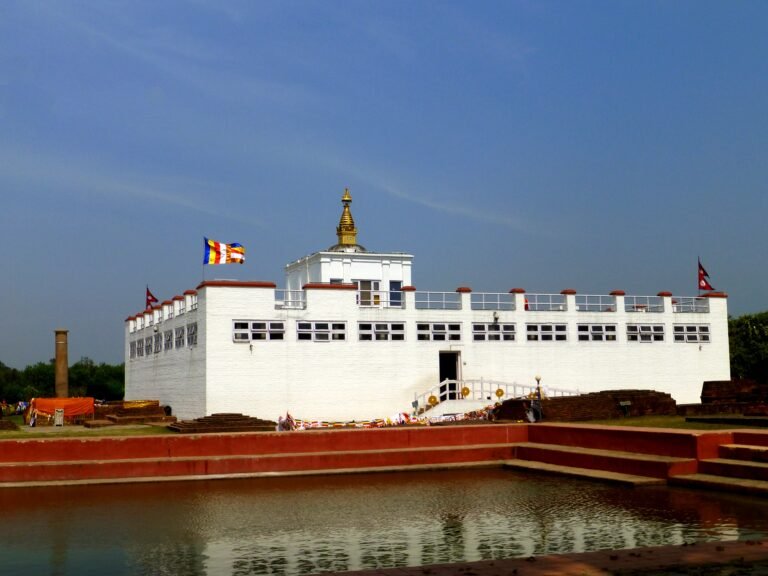
- Bus or private car (3–4 hours): Chitwan is a natural add-on after visiting Lumbini. The drive is roughly 150 km east along the East-West Highway.
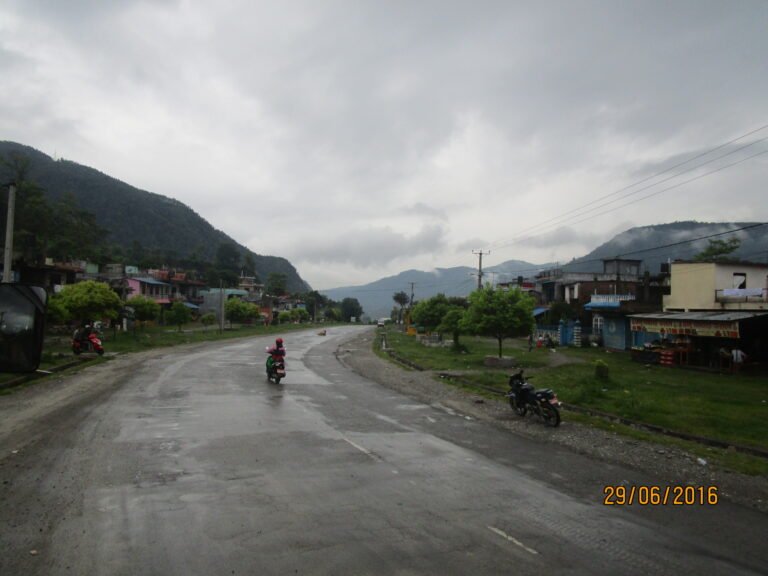
Pro tip: The tourist bus is the most popular option — comfortable, affordable, and scenic. The road descends from the Kathmandu Valley through the Mahabharat Range, with views of terraced hills and the Trishuli River. Book a day ahead during peak season (October–November, March–April).
5. Wildlife: What You Can See
Chitwan’s species list is staggering. Here are the headline animals and your realistic chances of seeing them:
| Species | Population in Chitwan | Sighting Probability | Best For |
|---|---|---|---|
| One-horned rhinoceros | ~605 (2015 census) | Very high (90%+) | Jeep safari, canoe ride |
| Bengal tiger | ~70–110 (density 4.4–6.4/100 km²) | Low (5–15%) | Jeep safari, early morning |
| Gharial crocodile | ~38 wild (2003); breeding center active | Moderate | Canoe ride, breeding center |
| Sloth bear | ~200–250 | Low | Jeep safari |
| Wild elephant | Seasonal, transboundary | Low–moderate | Jeep safari |
| Gaur (Indian bison) | 368 (2016) | Moderate | Jeep safari, Churia Hills |
| Spotted deer (chital) | Abundant | Very high (100%) | Everywhere |
| Mugger crocodile | Common | Very high | Riverbanks, canoe ride |
| Birds (543 species) | — | Very high | Early morning walk, canoe |
Rhinos are the star attraction. Chitwan holds the world’s second-largest population of one-horned rhinoceros (after India’s Kaziranga). You are almost certain to see one — often multiple — on a jeep safari. They graze in the open grasslands and are surprisingly tolerant of vehicles at a respectful distance.
Tigers are the holy grail. Chitwan has one of the highest tiger densities in the world, but sightings are never guaranteed. Your best odds are on a full-day jeep safari in February–March, when the grass is shortest. Trackers look for pugmarks (paw prints) and alarm calls from deer and langur monkeys.
Birding is world-class. With 543 recorded species — including the critically endangered Bengal florican, lesser adjutant stork, and Oriental darter — Chitwan is a premier birding destination. Winter (November–February) brings migratory species from Central Asia and Siberia. Bring binoculars.
6. Types of Safari Experiences
Jeep Safari (most popular)
Open-top 4×4 jeeps take you deep into the park on dirt tracks. Half-day (4 hours, morning or afternoon) or full-day (8 hours with packed lunch). Full-day safaris reach the more remote Churia Hills where tiger and sloth bear sightings are more likely. Book through your lodge — they arrange the jeep, driver, and licensed naturalist guide.
Canoe Ride
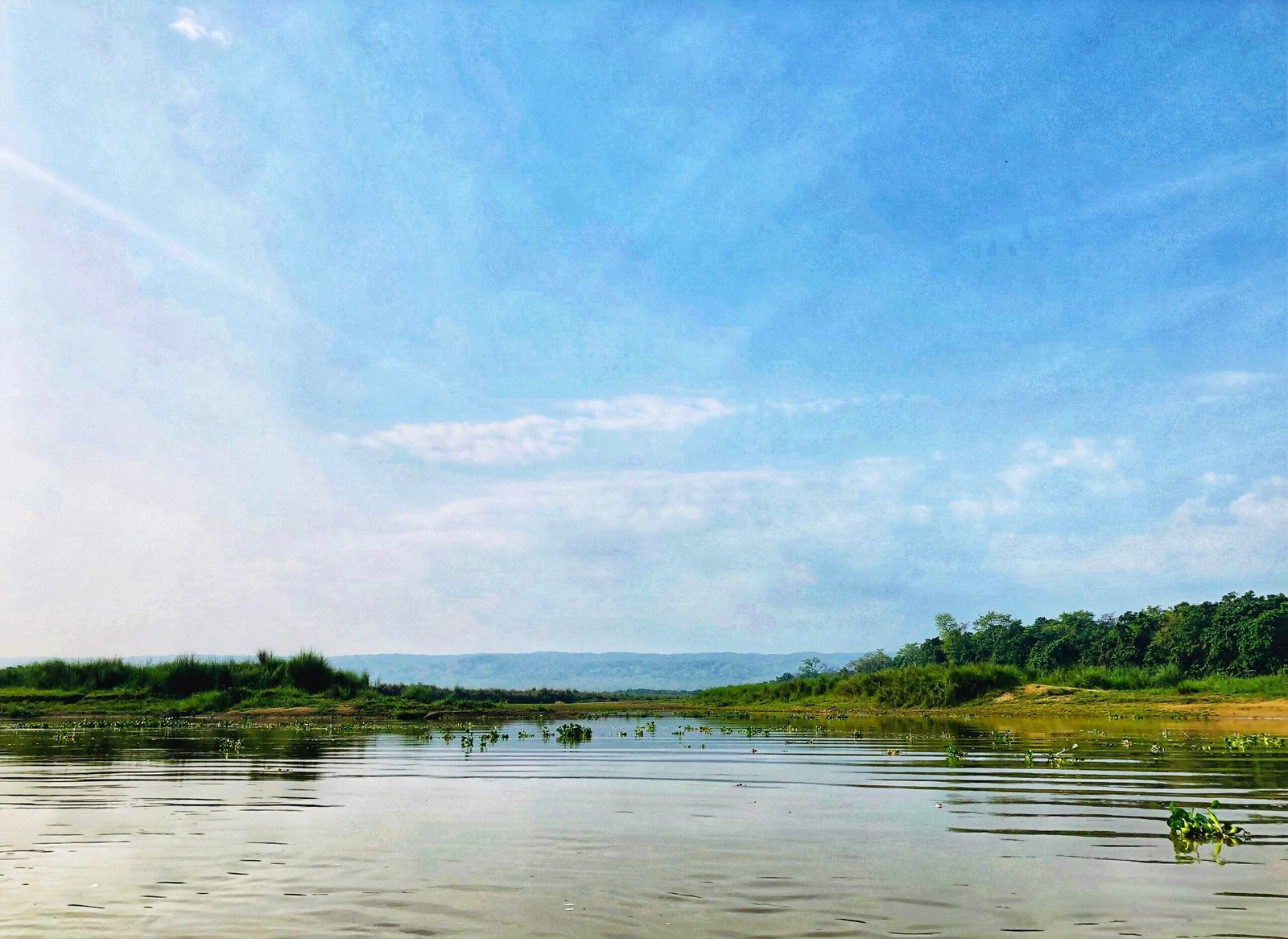
A dugout canoe on the Rapti River, typically 45–60 minutes. You drift past gharial and mugger crocodiles sunning on sandbanks, with kingfishers, egrets, and storks overhead. Often combined with a jungle walk: the canoe drops you at a point inside the park, and you walk back with a guide.
Guided Jungle Walk
On foot with two licensed guides (one leads, one watches the rear — required by park rules). Walks range from 2 hours to a full day. This is the most immersive way to experience the forest, but also the most physically demanding. You may encounter rhinos on foot — guides carry sticks, not guns, and will instruct you to climb a tree or stand behind them if a rhino charges. Listen to your guide.
Elephant Breeding Center
Located near Sauraha, this government-run center houses elephants and their calves. You can observe feeding and bathing. Note: elephant-back safaris still exist but are increasingly discouraged by conservation groups. Jeep and walking safaris are the recommended alternatives.
Gharial Breeding Center
Near the park headquarters at Kasara. See gharials from hatchlings to 3-meter adults. The center collects eggs from wild nests, incubates them, and releases juveniles into the Narayani-Rapti river system. A conservation success story worth supporting.
Tharu Cultural Program
In the evening, Sauraha village hosts Tharu stick dances and cultural shows. The Tharu are the indigenous people of the Terai, with a distinct language, cuisine, and tradition of resisting malaria that allowed them to live in this region for centuries. Worth an hour of your evening.
7. Where to Stay: Sauraha vs. Meghauli
| Sauraha | Meghauli | |
|---|---|---|
| Vibe | Bustling tourist hub, many lodges and restaurants | Quiet, upscale, fewer visitors |
| Accommodation | Budget guesthouses (NPR 1,000–2,500) to mid-range lodges (NPR 4,000–8,000) | Luxury lodges (NPR 15,000–40,000+), e.g. Meghauli Serai, Barahi Jungle Lodge |
| Park access | Main entry gate, canoe launch point | Western sector, less crowded entry |
| Best for | Budget travelers, backpackers, first-timers | Honeymooners, photographers, luxury travelers |
| Restaurants | Many options, local and Western food | Mostly in-lodge dining |
Recommendation: First-time visitors should base themselves in Sauraha. It has the most safari operators, the best infrastructure, and the easiest park access. If budget allows, book a lodge with a river view — sunset over the Rapti with a cold beer is one of Nepal’s great travel moments.
8. Sample 2-Day Itinerary
Day 1 — Arrival + Afternoon Safari
- Morning: Depart Kathmandu or Pokhara by tourist bus (arrive Sauraha by 1:00–2:00 PM).
- Afternoon: Check into lodge, then canoe ride on the Rapti River (1 hour) followed by a guided jungle walk back (2 hours).
- Evening: Sunset at the riverbank, Tharu cultural show, dinner at your lodge.
Day 2 — Full Safari + Departure
- 6:00 AM: Full-day jeep safari with packed breakfast and lunch. Drive deep into the park — grasslands, sal forest, river crossings. Target: rhino, deer, crocodiles, and (with luck) tiger or sloth bear.
- 3:00 PM: Return to Sauraha. Visit the Elephant Breeding Center or Gharial Breeding Center if time permits.
- Late afternoon: Bus or flight back to Kathmandu/Pokhara.
If you have 3 days: Add a second morning jeep safari (different route, different sector of the park) and a visit to the Bishazari Tal (20,000 Lakes) wetland area, an excellent birding spot just outside the park boundary.
9. What to Pack
- Neutral-colored clothing: Khaki, olive, beige. Avoid bright colors and white — they alert wildlife.
- Long sleeves and pants: Protection from sun, insects, and thorny vegetation on walks.
- Binoculars: Essential for birding and distant wildlife. 8×42 is ideal.
- Camera with zoom lens: 200 mm minimum; 400 mm+ for birds and distant tigers.
- Sunscreen and hat: The Terai sun is intense, even in winter.
- Insect repellent: DEET-based. Mosquitoes are present year-round; leeches in monsoon.
- Sturdy walking shoes: Closed-toe for jungle walks. Sandals for the lodge.
- Headlamp or flashlight: Power cuts are common in Sauraha.
- Reusable water bottle: Stay hydrated. Lodges provide filtered water.
- Cash (NPR): ATMs exist in Sauraha but can be unreliable. Bring enough for park fees, tips, and incidentals.
10. Safety and Practical Tips
- Always follow your guide’s instructions. On jungle walks, guides know rhino and elephant behavior. If they say “climb that tree,” climb that tree. Rhinos can charge at 40 km/h — you cannot outrun one.
- Do not feed or approach wildlife. This includes deer and monkeys. A rhino with a calf is especially dangerous.
- Stay on marked trails. Off-trail wandering risks encounters with tigers, rhinos, and snakes (king cobra and rock python are present).
- Malaria risk is low but present. The Terai is a malaria-endemic zone, though transmission has declined significantly. Consult a travel clinic about prophylaxis before your trip. Use mosquito nets (most lodges provide them).
- Travel insurance is essential. Ensure it covers emergency evacuation. The nearest major hospital is in Bharatpur; serious cases go to Kathmandu.
- Respect the buffer zone communities. The park’s buffer zone is home to Tharu and other communities who were displaced when the park was created. Support local guides, buy from village shops, and treat residents with respect.
11. Frequently Asked Questions
Do I need a guide to enter Chitwan National Park?
Yes. Independent entry without a licensed guide is not permitted. All safari activities — jeep, canoe, walking — must be accompanied by a park-registered naturalist guide. Your lodge will arrange this.
Can I see a tiger in Chitwan?
It is possible but not guaranteed. Chitwan has an estimated 70–110 tigers with one of the highest densities in the world (4.4–6.4 per 100 km²). Your best odds are on a full-day jeep safari in February–March, when the grass is shortest. Even without a tiger, the rhino sightings alone make the safari worthwhile.
Is Chitwan safe for families with children?
Yes. Jeep safaris are suitable for all ages. Jungle walks are better for children 10+ who can follow safety instructions. The canoe ride and cultural show are family-friendly. Children under 10 enter the park free.
How many days do I need in Chitwan?
Two days (one night) is the minimum to do a jeep safari and a canoe ride. Three days (two nights) lets you do a full-day jeep safari, a canoe + walk combo, and a cultural evening without rushing. Four days is ideal for serious wildlife photographers and birders.
Can I combine Chitwan with other destinations?
Absolutely. Chitwan sits on the popular Kathmandu–Pokhara–Lumbini circuit. A classic 10-day itinerary: Kathmandu (2 days) → Chitwan (2 days) → Lumbini (1 day) → Pokhara (3 days) → Kathmandu (2 days). The drives between each are 4–6 hours.
What is the difference between Chitwan and Bardia National Park?
Bardia National Park in far-western Nepal is larger (968 km²), more remote, and has fewer visitors. Tiger sightings are statistically more likely in Bardia, but the infrastructure (lodges, transport) is less developed. Chitwan is the easier, more accessible choice for first-time visitors. Bardia is for repeat visitors and serious wildlife enthusiasts willing to travel further.
Are there ATMs in Sauraha?
Yes, a few ATMs exist in Sauraha and nearby Tadi Bazaar, but they can run out of cash or reject foreign cards. Bring enough Nepali rupees from Kathmandu or Pokhara to cover your stay — at least NPR 10,000–15,000 for a 2-day trip including park fees, safaris, meals, and tips.
Sources: Nepal Tourism Board (ntb.gov.np), Wikipedia, Department of National Parks and Wildlife Conservation. All fee and population figures confirmed as of July 2026.
Related guides
Share this content: