Nepal Trekking Safety Guide 2026: AMS Prevention, HRA Aid Posts & Emergency Contacts
Complete guide: Nepal Trekking Safety and Health Guide
Trekking in Nepal’s high mountains is one of the world’s great adventures — but altitude does not negotiate. Every year, trekkers fall ill or worse because they pushed too high, too fast, without recognizing the early signs of Acute Mountain Sickness (AMS). As of 2026, the official guidance from the Nepal Tourism Board (NTB) and the Himalayan Rescue Association (HRA) is clear: if you feel unwell above 2,500 m, assume it is AMS until proven otherwise.
What Is Acute Mountain Sickness?
AMS is caused by reduced oxygen pressure at altitude. It can affect anyone, regardless of fitness or age, typically above 2,500 m (8,200 ft). The NTB’s Safety in the Mountains page lists the classic early symptoms:
- Headache (often throbbing, worse at night)
- Nausea or loss of appetite
- Dizziness or light-headedness
- Fatigue or weakness disproportionate to exertion
- Difficulty sleeping
Golden rule: If you have a headache plus one other symptom at altitude, you have AMS.
What to Do If You Have AMS
- Stop ascending. Do not go higher until symptoms resolve completely.
- Rest at the same altitude (or descend 300–500 m) until you feel normal.
- Hydrate aggressively — 3–4 L water daily; avoid alcohol.
- Consider acetazolamide (Diamox) 125–250 mg every 12 hours for prevention or treatment (consult your doctor before travel).
- If symptoms worsen — DESCEND IMMEDIATELY. This is the only cure for HAPE (fluid in lungs) or HACE (brain swelling).
HRA Aid Posts: Free Expert Help on the Trail
The Himalayan Rescue Association runs volunteer-staffed aid posts during the two main trekking seasons (spring: March–May; autumn: September–November):
| Location | Altitude | Route | Notes |
|---|---|---|---|
| Pheriche | 4,250 m | Everest Base Camp trail | Daily talk at 3 PM on altitude sickness |
| Manang | 3,550 m | Annapurna Circuit (before Thorung La) | Daily talk at 3 PM on altitude sickness |
| Kathmandu (HRA Office) | 1,400 m | Dhobichaur, Lazimpat | Pre-trek briefings; phone: +977-1-4440292/293 |
HRA also operates Everest ER at Everest Base Camp (5,350 m) each spring since 2003, providing medical care to climbers, support staff, and visitors.
Tourist Police: Your Safety Net Across Nepal
Nepal’s Tourist Police, a special unit of Nepal Police under the Ministry of Culture, Tourism and Civil Aviation, was established on 26 January 1979. As of 2026, the force comprises 239 officers across 28 units in 12 districts (10 inside Kathmandu Valley, 18 outside). Key contact:
- Toll-free hotline: 1144 (Tourist Police)
- Police emergency: 100
- Traffic police: 103
- Head office: Bhrikutimandap, Kathmandu (inside NTB premises), +977-1-4247041
- Email: policetourist@nepalpolice.gov.np
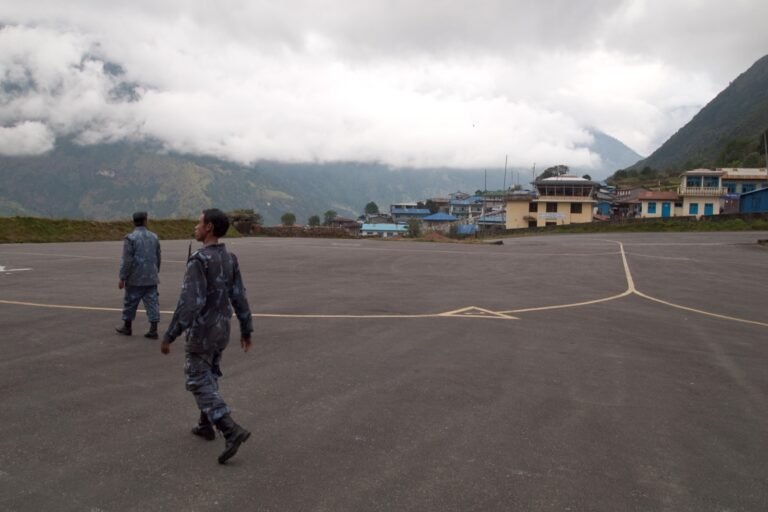
Tourist Police posts are stationed at major trekking hubs including Lukla, Namche Bazaar, Ghandruk, Jomsom, Chame, Dharapani, Syabrubesi, Sauraha (Chitwan), Lumbini, Pokhara, Bandipur, and more — see the full list on the NTB Tourist Police page.
Permit Rules That Keep You Legal (and Insured)
Trekking permits are not optional paperwork — they are your proof of legal presence and often required for insurance claims. The Department of Immigration issues Restricted Area Permits (RAP) for regions like Upper Mustang, Manaslu, Upper Dolpo, and others. Fees (as of 2026) are quoted in USD per person:
- Upper Mustang: $50/day
- Manaslu (Sep–Nov): $100/week, $15/day thereafter; (Dec–Aug): $75/week, $10/day thereafter
- Upper Dolpo: $50/day
- Tsum Valley (Sep–Nov): $40/week, $7/day thereafter
- Lower Dolpo: $20/week, $5/week beyond 1 week
For non-restricted areas, you need a TIMS card (Trekkers’ Information Management System) plus the relevant conservation area or national park entry permit (ACAP, MCAP, LCNP, SCNP, etc.). Carry all permits at all times — police and immigration checkposts will ask to see them.
Pre-Trek Checklist (AEO Quick Answers)
| Question | Answer |
|---|---|
| When should I take Diamox? | Start 24 hours before ascending above 2,500 m; continue until descent. Consult your doctor. |
| What is the HRA daily talk time? | 3 PM at Pheriche (4,250 m) and Manang (3,550 m) during spring/autumn seasons. |
| Who do I call in an emergency? | Dial 1144 (Tourist Police toll-free) or contact your guide/agency for heli-evac coordination. |
| Do I need a guide for high-altitude treks? | As of 2023, a licensed guide is mandatory for most trekking routes in Nepal (NTB rule). |
| What permits for Everest Base Camp? | Khumbu Pasang Lhamu Rural Municipality permit ($20/week) + Sagarmatha National Park entry + TIMS. |
Key Takeaways
- AMS can kill — recognize symptoms early, descend if worse.
- HRA aid posts at Pheriche and Manang offer free, expert altitude advice daily at 3 PM in season.
- Tourist Police (1144) operate 28 posts nationwide — save the number before you trek.
- Permits are mandatory; carry them always. Fees are in USD; bring crisp notes.
- Mandatory guide rule (since 2023) means solo trekking is largely restricted — book a licensed guide.
FAQ
- What is the altitude threshold for AMS risk in Nepal?
- Above 2,500 m (8,200 ft). The NTB explicitly states: “If you are not feeling well above 2,500 m, it may be AMS until proven otherwise.”
- Where are the HRA aid posts located?
- Pheriche (4,250 m) on the Everest Base Camp trail, and Manang (3,550 m) on the Annapurna Circuit before Thorung La. Both operate spring (Mar–May) and autumn (Sep–Nov).
- What is the Tourist Police emergency number?
- 1144 (toll-free hotline). For general police: 100. For traffic: 103.
- Do I need a guide to trek in Nepal in 2026?
- Yes. Since April 2023, NTB regulations require a licensed guide for most trekking routes. Solo trekking is restricted.
- How much does the Upper Mustang permit cost?
- USD 50 per person per day (or equivalent convertible currency), minimum 10 days typically required.
- Can I get a heli-evac without insurance?
- Technically yes, but costs run $5,000–$10,000+. Comprehensive trekking insurance with high-altitude heli-evac coverage is essential.

Sources: Nepal Tourism Board (Safety in the Mountains, Tourist Police, Trekking Permit), Himalayan Rescue Association (hra@himalayanrescue.org), Department of Immigration Nepal. All information current as of August 2026; verify fees and rules before travel as they can change.
Related guides
Share this content: