Rara Lake Trek: Complete Guide to Nepal’s Largest Alpine Lake (2026)
Rara Lake Trek: Complete Guide to Nepal’s Largest Alpine Lake (2026)
Related guide: Nepal Trekking Safety & Health Complete Guide
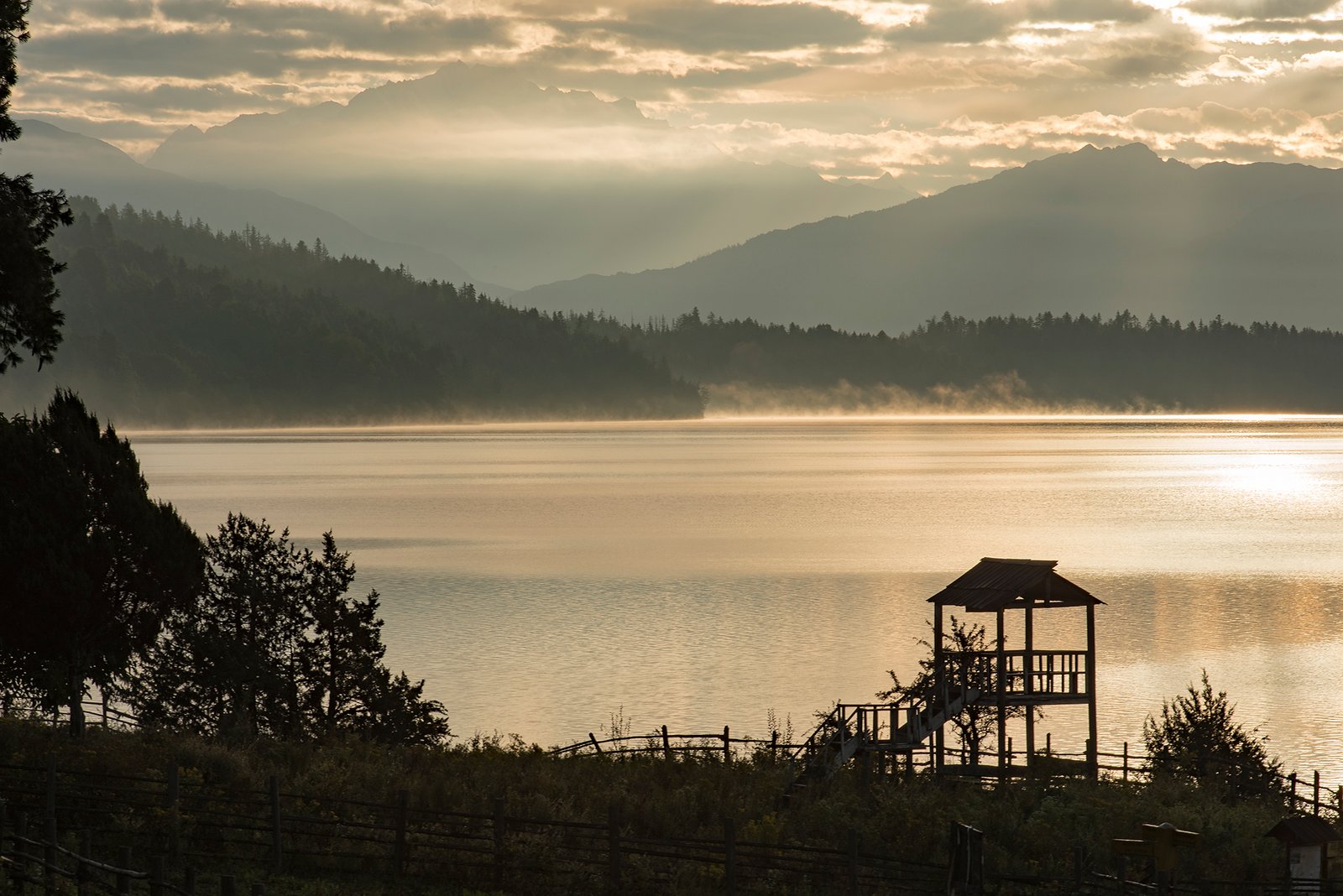
Rara Lake sits at 2,990 metres (9,810 ft) in Nepal’s remote Mugu District, surrounded by the pine and rhododendron forests of Rara National Park. It is the largest freshwater lake in the Nepali Himalayas — a 10.8 square kilometre oval of water that changes colour five times a day, from sapphire to turquoise to silver. The trek to reach it is one of the least-travelled in Nepal, offering a wilderness experience that the Annapurna and Everest circuits simply cannot match.
Table of Contents
- What Is Rara Lake and Why Trek There?
- Where Is Rara Lake?
- Rara Lake Trek Route Options
- Best Time to Trek Rara Lake
- Permits and Fees
- Trek Costs Breakdown
- Getting There: Flights, Roads, and Trailheads
- Difficulty and Fitness Requirements
- Accommodation and Food on the Trail
- Wildlife and Nature in Rara National Park
- Cultural Notes: Karnali Region
- What to Pack for Rara Lake
- Practical Tips and Common Mistakes
- Frequently Asked Questions
- Key Takeaways
What Is Rara Lake and Why Trek There?
Rara Lake is the largest freshwater lake in the Nepalese Himalayas. It lies at an elevation of 2,975 to 2,990 metres (sources vary between Wikipedia articles; the national park uses 2,990 m), has a water surface of 10.8 square kilometres (4.2 sq mi), a maximum depth of 167 metres (548 ft), and is roughly 5.1 km long and 2.7 km wide. The lake drains into the Mugu Karnali River via the Nijar River (Nijar Khola).
It was included within Rara National Park when the park was established in 1976. In September 2007, the lake was designated a Ramsar Wetland of International Importance, covering 1,583 hectares including the surrounding wetland. The park itself spans 106 square kilometres across Mugu and Jumla districts in Karnali Province — making it Nepal’s smallest national park, but one of its most pristine.
What makes Rara special is not just its size but its remoteness. Unlike the Annapurna Circuit or Everest Base Camp trek, where you share the trail with hundreds of trekkers daily, Rara sees perhaps a few hundred visitors per year. The lake changes colour up to five times a day depending on the climate and light — a phenomenon that photographers and nature lovers travel halfway across the world to witness.
The surrounding hills — Chuchemara Danda at 4,087 m (13,409 ft) and Murma at 3,630 m (11,910 ft) — frame the lake and offer spectacular viewpoints. From Chuchemara Ridge, you can see the snow-capped peaks of Kanjirowa Himal to the north, reflected in the lake’s still waters.
Where Is Rara Lake?
Rara Lake is located in the Mugu District of Karnali Province, in far western Nepal. It sits inside Rara National Park, which straddles both Mugu and Jumla districts. The nearest major town is Jumla, the district headquarters of Jumla District, which has a domestic airport (Jumla Airport, IATA: JUM) at an elevation of 2,347 m (7,700 ft). The nearest settlement to the lake itself is Gamgadhi, the headquarters of Mugu District.
Karnali is Nepal’s least-developed province, and the lack of road infrastructure is precisely what has kept Rara so pristine. The lake has no connection to the national road network — you can only reach it on foot or by flying into the tiny Talcha Airport in Mugu, which is a short walk from the lake.
Rara Lake Trek Route Options
There are two main approaches to Rara Lake, each offering a very different experience. Here is a comparison:
| Route | Duration | Starting Point | Max Elevation | Difficulty | Highlights |
|---|---|---|---|---|---|
| Route 1: Jumla to Rara (Classic) | 5-7 days one way | Jumla (2,347 m) | ~3,500 m (Gorusinghe pass) | Moderate | Pine forests, Sinja Valley, ancient Khas kingdom ruins, gradual ascent |
| Route 2: Fly to Talcha, Day Hikes | 2-3 days total | Talcha Airport (2,700 m) | 4,087 m (Chuchemara Ridge) | Easy to Moderate | Quick access to lake, ridge hikes, minimal trekking |
Route 1: Jumla to Rara Lake (The Classic Trek)
This is the traditional trekking route and the one most rewarding for those who want the full wilderness experience. You fly from Nepalgunj to Jumla, then trek north through pine and rhododendron forests, passing through the historic Sinja Valley — the ancient capital of the Khas Kingdom (12th-14th century). The route follows the Nijar Khola upstream to the lake.
A typical day-by-day breakdown:
- Day 1: Fly Nepalgunj to Jumla (2,347 m). Explore Jumla town.
- Day 2: Trek Jumla to Chala Chaur (2,900 m) — 5-6 hours through pine forests.
- Day 3: Trek to Sinja Valley (2,330 m) — 6 hours. Explore ancient Khas ruins and stone inscriptions.
- Day 4: Trek Sinja to Laha (2,860 m) — 5-6 hours, ascending through forests.
- Day 5: Trek Laha to Gorusinghe (3,050 m) and over the pass (3,500 m) toward Rara — 6-7 hours.
- Day 6: Trek to Rara Lake (2,990 m) — 3-4 hours. First views of the lake from the ridge.
- Day 7: Rest day at Rara — hike to Murma Top (3,630 m) or Chuchemara Ridge (4,087 m).
The return is either by retracing your steps to Jumla or flying out from Talcha Airport near the lake.
Route 2: Fly to Talcha Airport
For those short on time, Talcha Airport — a small dirt airstrip at approximately 2,700 m in Mugu District — is the quickest way to reach Rara Lake. Flights operate from Nepalgunj, though schedules are weather-dependent and cancellations are common, especially during the monsoon. From Talcha, it is a 2-3 hour walk down to the lake. This option is ideal for photographers and travellers who want to experience Rara without committing to a multi-day trek.
Warning: Talcha Airport is a remote, high-altitude dirt strip with no paved runway. Flights are frequently cancelled or delayed due to weather, sometimes for several days. Always build buffer days into your itinerary if you choose this route. Carry enough cash and supplies for delays.
Best Time to Trek Rara Lake
The timing of your Rara Lake trek is critical because of its remote location and high altitude. The lake area receives heavy snowfall in winter and monsoon rain makes trails slippery and leech-infested.
| Season | Months | Conditions | Recommended? |
|---|---|---|---|
| Spring | April to May | Warm days, clear skies, rhododendron blooms, melting snow opens trails | Yes — best season |
| Summer/Monsoon | June to August | Heavy rain, trails muddy, leeches, flights frequently cancelled | No — avoid |
| Autumn | September to November | Clear post-monsoon skies, crisp air, excellent visibility, stable weather | Yes — best season |
| Winter | December to March | Below freezing, heavy snowfall blocks trails, lake may freeze | No — avoid (trails impassable) |
For a detailed seasonal comparison across Nepal, see our Best Time to Visit Nepal guide.
According to Wikipedia’s climate data for the Rara region, December to March sees temperatures well below freezing with heavy snowfall that blocks all access to the lake. April to June is warm but transitions into monsoon by June. September and October are the sweet spots — post-monsoon air is crystal clear, and the mountain views from Chuchemara Ridge are at their finest.
Permits and Fees
Rara Lake lies inside Rara National Park, so you need two permits:
| Permit | Cost | Where to Obtain |
|---|---|---|
| Rara National Park Entry Fee | NPR 3,000 (approx. USD 23) for foreign nationals; NPR 1,500 for SAARC nationals | At the park entrance checkpoint or in Nepalgunj/Nepal Tourism Board office |
| TIMS Card | NPR 2,000 (approx. USD 15) for individual trekkers; NPR 1,000 for group trekkers | Through a registered trekking agency or Nepal Tourism Board office in Kathmandu |
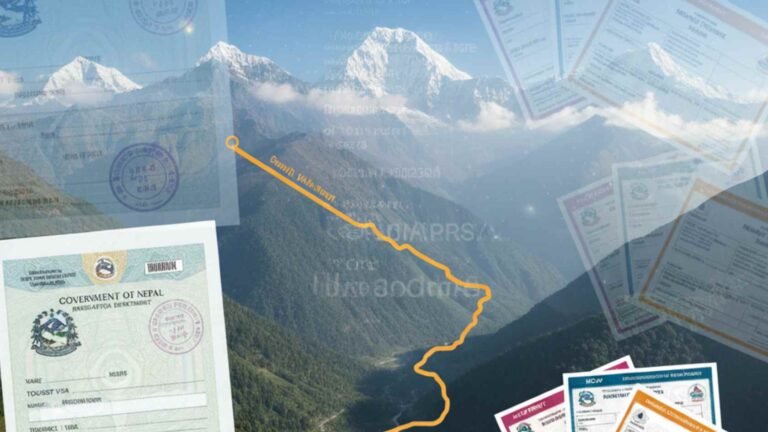
Note: Since 2023, Nepal requires all trekkers to be accompanied by a licensed guide (TIMS card is issued through a registered agency). This applies to all trekking regions including Rara. For full permit details across all regions, see our Nepal Trekking Permits Guide.
Carry multiple passport-size photos and your passport for permit processing. The Nepal Tourism Board office in Kathmandu can issue both permits in advance.
Trek Costs Breakdown
Rara Lake is more expensive than popular treks like Annapurna or Langtang because of its remote location and flight requirements. Here is a realistic breakdown for a 7-day trek (Jumla route, one person, 2026 prices):
| Item | Cost (USD) | Notes |
|---|---|---|
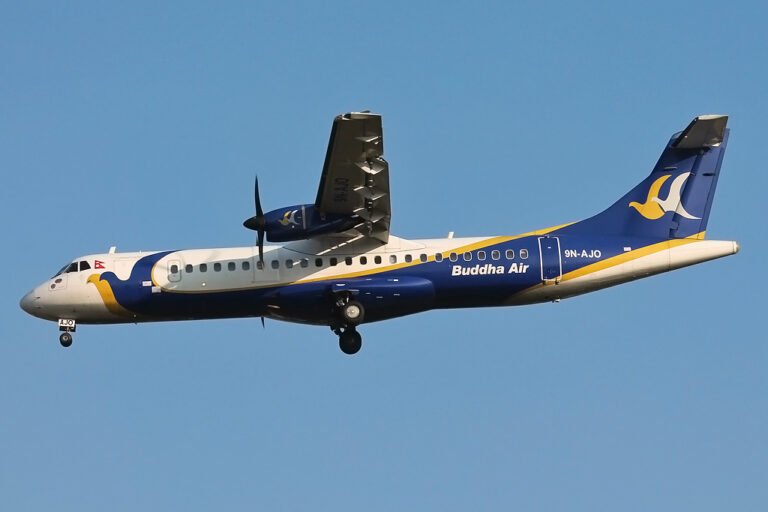
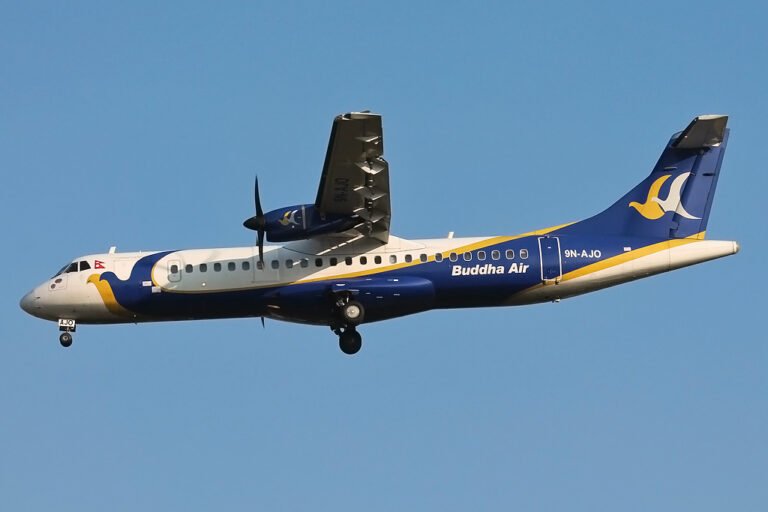
| Flight: Kathmandu to Nepalgunj | $80-120 | One-way, Buddha Air or Yeti Airlines |
| Flight: Nepalgunj to Jumla | $90-120 | One-way, Tara Air or Sita Air (weather-dependent) |
| Permits (Park + TIMS) | $38 | Combined cost |
| Guide (daily) | $25-35/day | Mandatory; 7 days = $175-245 |
| Accommodation (daily) | $5-10/night | Basic teahouses; 6 nights = $30-60 |
| Food (daily) | $15-20/day | Dal bhat, noodles, tea; 7 days = $105-140 |
| Return flight: Jumla/Talcha to Nepalgunj | $90-120 | One-way |
| Return flight: Nepalgunj to Kathmandu | $80-120 | One-way |
| Total (estimated) | $688-863 | Per person, excluding gear and insurance |
For comparison with other treks’ costs and difficulty, see our Nepal Trekking Grades and Difficulty Levels Guide.
Getting There: Flights, Roads, and Trailheads
Reaching Rara Lake is a multi-step journey that typically begins in Kathmandu. Here are the main options:
Option A: Fly Kathmandu → Nepalgunj → Jumla (Most Common)
- Fly from Kathmandu’s Tribhuvan International Airport to Nepalgunj (45 minutes). Nepalgunj is a hot, dusty town in the Terai plains — you will likely overnight here before your morning flight to Jumla.
- Early morning flight from Nepalgunj to Jumla Airport (IATA: JUM, elevation 2,347 m). Jumla Airport has a 670 m x 25 m asphalt runway. Flights are operated by Tara Air and Sita Air, typically on Twin Otter or Pilatus Porter aircraft.
- Begin trekking from Jumla town.
Option B: Fly Kathmandu → Nepalgunj → Talcha Airport
Talcha Airport is a small dirt airstrip in Mugu District, at approximately 2,700 m elevation. It is the closest airfield to Rara Lake — a 2-3 hour walk from the lake shore. Flights from Nepalgunj to Talcha are infrequent and highly weather-dependent. If you choose this option, allow at least 2-3 buffer days for potential flight cancellations.
Option C: Overland via Surkhet
A public bus runs from Surkhet (the provincial capital of Karnali Province) to Gamgadhi, the Mugu District headquarters. From there, it is a half-day walk to the lake. The road journey from Kathmandu to Surkhet takes 12-15 hours by bus. This is the cheapest but most time-consuming and physically demanding option — Karnali’s roads are rough and travel is slow.
For comprehensive flight and overland information, see our How to Get to Nepal guide.
Difficulty and Fitness Requirements
The Rara Lake trek is rated as moderate difficulty. While the maximum elevation (around 3,500 m on the Jumla route, or 4,087 m if you hike Chuchemara Ridge) is lower than the Annapurna Circuit or Everest Base Camp, the remoteness and lack of infrastructure make it more demanding in practical terms.
Key considerations:
- Daily walking: 5-7 hours per day on the Jumla route, with some steep ascents and descents.
- Altitude: The lake sits at 2,990 m. Most trekkers fly to Jumla at 2,347 m and ascend gradually, which helps with acclimatisation. However, if you fly to Talcha at 2,700 m and immediately hike to the lake at 2,990 m, altitude symptoms can develop. Follow standard acclimatisation guidelines — ascend slowly, stay hydrated, and watch for headache, nausea, and dizziness.
- Trail conditions: Trails are unmaintained in places, narrow, and can be slippery after rain. There are no paved paths or railings.
- Navigation: A guide is legally mandatory and also practically essential — the trail is not well-marked and crosses remote wilderness.
- Fitness level: You should be able to walk 15-20 km per day with a daypack (5-8 kg) at altitude. Regular cardio training (hiking, running, cycling) for 4-6 weeks before the trek is recommended.
For a full fitness and training plan, see our Nepal Trekking Packing List which includes gear recommendations and physical preparation tips.
Accommodation and Food on the Trail
Do not expect the well-developed teahouse network of the Annapurna or Everest regions. Rara is a true wilderness trek.
Accommodation
- Jumla: Several basic guesthouses and lodges with private rooms and shared bathrooms.
- On the trail (Jumla route): Very basic teahouses at Sinja, Laha, and Gorusinghe. Rooms are dormitory-style or twin-share with shared squat toilets. Some may have solar-powered lighting; most do not. A sleeping bag (rated to -10°C) is essential.
- At Rara Lake: A few basic lodges near the army checkpoint at the park entrance. Camping is also possible — the park has designated campsites with basic shelters.
For more on teahouse trekking in Nepal, see our Nepal Teahouse Trekking Guide.
Food
- Meals are simple: dal bhat (rice and lentils), instant noodles, boiled potatoes, Tibetan bread, and tea. Meat is rarely available and not recommended due to lack of refrigeration.
- Carry supplementary snacks: energy bars, dried fruit, nuts, chocolate, and electrolyte powder. There are no shops on the trail beyond Jumla.
- Water purification is essential — carry tablets or a filter. Stream water is available but must be treated.
Wildlife and Nature in Rara National Park
Rara National Park, despite being Nepal’s smallest at 106 km², is remarkably rich in biodiversity. According to Wikipedia, the park hosts 1,070 plant species, 51 mammal species, and 241 bird species.
Flora
Below 3,200 m, the vegetation consists mainly of blue pine (Pinus excelsa), rhododendron, west Himalayan spruce, black juniper, and Himalayan cypress. Above 3,200 m, the forest transitions to a coniferous mix of fir, spruce, and pine. In spring (April-May), rhododendron blooms paint the hillsides red and pink.
Mammals
51 species of mammals have been recorded, including musk deer, Himalayan black bear, Indian leopard, jackal, Himalayan tahr, yellow-throated marten, otter, dhole (wild dog), gray langur, rhesus macaque, and the endangered red panda. While tiger sightings are extremely unlikely at this altitude, leopards and bears are occasionally spotted.
Birds
The park is a birdwatcher’s paradise with 241 recorded species, including 49 wetland species. Around the lake, look for coots, great-crested and black-necked grebes, red-crested pochards, mallards, common teal, and common mergansers (especially in winter). On the hillsides, the Himalayan snowcock, chukar partridge, Himalayan monal (Nepal’s national bird), kalij pheasant, and blood pheasant are frequently seen.
Endemic Species
Rara Lake has three endemic snowtrout species found nowhere else on Earth: the Nepalese snowtrout (Schizothorax nepalensis), the Rara snowtrout (S. raraensis), and another species (S. macrophthalmus). The lake also hosts an endemic frog — the Rara Lake frog (Nanorana rarica). These endemic species underline the lake’s ecological significance and the importance of the Ramsar designation.
Cultural Notes: The Karnali Region
The Karnali region is culturally distinct from the rest of Nepal. It is the heartland of the ancient Khas Kingdom, which ruled western Nepal from the 12th to 14th centuries. The Sinja Valley, through which the Jumla trek route passes, contains stone inscriptions and ruins from this era — some of the earliest written records in the Nepali language.
The people of the Rara area are primarily of Khas-Aryan descent, speaking local dialects of Nepali and practicing a mix of Hinduism and animism. The main occupations are agriculture and goat rearing. Many families also collect and sell medicinal herbs from the surrounding forests.
When visiting, be respectful of local customs:
- Dress modestly — this is a conservative region.
- Always ask permission before photographing people or the inside of homes.
- Carry out all trash — the park already faces waste management challenges from festival visitors.
- Support the local economy by buying meals and lodging from village teahouses rather than carrying everything yourself.
The area is protected by the Nepali Army, who maintain a checkpoint at the park entrance. You will need to show your park entry permit and register at the checkpoint.
What to Pack for Rara Lake
Rara’s remoteness demands more self-sufficiency than popular treks. Key items beyond standard trekking gear:
| Item | Why It’s Essential for Rara |
|---|---|
| Sleeping bag (-10°C rated) | Teahouse beds lack adequate bedding; nights are cold even in autumn |
| Water purification tablets or filter | No bottled water for sale on the trail; stream water must be treated |
| Extra snacks (energy bars, dried fruit, nuts) | No shops between Jumla and the lake; food variety is extremely limited |
| Power bank (10,000 mAh+) | No electricity at most trail teahouses; solar is unreliable |
| Headlamp with extra batteries | No lighting in teahouse rooms; essential for early morning starts |
| First aid kit with altitude medication | Days from the nearest medical facility; carry Diamox as a precaution |
| Cash (NPR 15,000-20,000) | No ATMs or card payment anywhere on the trail |
| Down jacket | Evenings at the lake (2,990 m) are cold in autumn; essential for Chuchemara Ridge at 4,087 m |
For the complete Nepal trekking gear checklist, see our Nepal Trekking Packing List for 2026.
Practical Tips and Common Mistakes
- Book flights early and build buffer days. Flights to Jumla and Talcha are frequently cancelled due to weather. Schedule at least 2-3 buffer days on either end of your trek.
- Carry enough cash. There are no ATMs beyond Nepalgunj. Carry NPR 15,000-20,000 for food, lodging, and emergencies.
- Hire a guide through a registered agency. A guide is mandatory and essential for navigation. Book through a Kathmandu-based trekking agency that has experience with the Karnali region — not all guides know the Rara route.
- Do not trek during monsoon or winter. June-August brings rain and leeches; December-March brings snow that blocks all trails. Stick to September-November or April-May.
- Acclimatise properly. If flying to Talcha at 2,700 m, do not rush to the lake (2,990 m) on the same day. Rest, hydrate, and consider a short acclimatisation hike.
- Be self-sufficient with first aid. The nearest hospital is in Jumla, potentially 2-3 days’ walk away. Carry a comprehensive first aid kit including Diamox, bandages, antiseptic, rehydration salts, and any personal medications.
- Expect basic conditions. This is not the Annapurna Circuit. Teahouses are simple, food is limited, and there are no hot showers. Embrace the adventure.
- Respect the park’s environmental rules. Rara faces challenges from over-grazing, deforestation, and pollution from festival visitors. Leave no trace — carry out all waste, do not disturb wildlife, and stay on marked trails.
Frequently Asked Questions
How long does the Rara Lake trek take?
The classic Jumla-to-Rara route takes 5-7 days one way (plus 2 days for flights from Kathmandu). If you fly directly to Talcha Airport, you can reach the lake in 2-3 days total, including a rest day for ridge hikes.
Is the Rara Lake trek difficult?
It is rated moderate. The altitudes (2,347 m to 4,087 m) are lower than major Himalayan treks, but the remoteness, basic accommodation, and lack of trail infrastructure make it more challenging in practical terms. Good fitness and a spirit of adventure are essential.
Can I trek Rara Lake independently without a guide?
No. Since 2023, Nepal requires all trekkers to be accompanied by a licensed guide. This applies to Rara as well. A guide is also practically necessary — the trail is not well-marked and passes through remote wilderness with no mobile phone coverage for days.
What is the best month for the Rara Lake trek?
October is ideal — post-monsoon skies are clear, temperatures are comfortable, and mountain views from Chuchemara Ridge are spectacular. April is the second-best option, with rhododendron blooms adding colour to the forests.
Are there ATMs on the Rara Lake trek?
No. The last ATM is in Nepalgunj. Carry enough cash (NPR 15,000-20,000) for the entire trek, including food, lodging, and emergency expenses.
Is altitude sickness a risk on the Rara Lake trek?
Yes, especially if you fly to Talcha Airport at 2,700 m and immediately ascend to the lake at 2,990 m or Chuchemara Ridge at 4,087 m. Ascend gradually, stay hydrated, and carry Diamox. If symptoms develop (severe headache, nausea, dizziness), descend immediately.
What is the maximum elevation on the Rara Lake trek?
The lake itself sits at 2,990 m. The highest point most trekkers reach is Chuchemara Ridge at 4,087 m (13,409 ft), which offers panoramic views of the lake and surrounding peaks. The Jumla route crosses a pass at approximately 3,500 m.
Can I swim in Rara Lake?
Swimming is technically possible but not recommended. The water is extremely cold (even in summer, surface temperatures rarely exceed 15°C) and the lake is a protected Ramsar site with endemic species. Respect the ecological sensitivity of the area.
Key Takeaways
- Rara Lake is Nepal’s largest freshwater lake — 10.8 km² at 2,990 m elevation in remote Mugu District, Karnali Province.
- Best seasons: September-November (autumn) and April-May (spring). Avoid monsoon (June-August) and winter (December-March).
- Two route options: The 5-7 day Jumla trek (classic wilderness experience) or a 2-3 day Talcha Airport fly-in (quick access, weather-dependent).
- Permits required: Rara National Park entry fee (NPR 3,000) + TIMS card (NPR 2,000). A licensed guide is mandatory.
- Budget approximately USD 700-850 per person for a complete 7-day trek including flights from Kathmandu.
- Pack for self-sufficiency: sleeping bag, water purification, extra food, power bank, and cash. There are no shops or ATMs on the trail.
- Rara National Park is a biodiversity hotspot — 1,070 plant species, 51 mammals, 241 birds, and three endemic snowtrout species found nowhere else on Earth.
Sources: Wikipedia — Rara Lake, Rara National Park, Jumla Airport (accessed August 2026). Ramsar Sites Information Service. Nepal Tourism Board (ntb.gov.np). Trekking agency cost estimates, 2026 season.
Published August 24, 2026. TravellingNepal.com is an independent Nepal tourism news portal. For guided trekking packages, consult a registered Nepal trekking agency.
Share this content: