Mahakali Bridge Opens at Darchula, Linking Nepal’s Far West to Uttarakhand
KATHMANDU, November 24, 2026 (8 Mangsir 2083) — A 110-metre motorable bridge over the Mahakali river now links Darchula with Dharchula in India, after Prime Minister Balendra Shah and his Indian counterpart Narendra Modi jointly inaugurated it on Monday in a virtual ceremony from Hyderabad House in New Delhi.
The structure connects Asigada in Mahakali Municipality ward 8 of Darchula district with Chharchhum in the Dharchula tehsil of Pithoragarh district, Uttarakhand, on the far bank of the river that forms Nepal’s western border. For residents of three hill districts it replaces a crossing officials have long described as limited and risky. For travellers it is a new road link into Kumaon — but not yet a confirmed immigration point.
Key facts
- 110-metre motorable bridge between Asigada (Mahakali Municipality-8, Darchula) and Chharchhum (Dharchula tehsil, Pithoragarh, Uttarakhand)
- Inaugurated 23 November 2026 by PM Balendra Shah and PM Narendra Modi, by video link, during Shah’s two-day state visit to India
- Financed entirely by India at a cost of INR 329.8 million — about Rs 528 million at the pegged rate of Rs 1.60 per Indian rupee
- Built by P&R Infraproject Limited of Punjab
- Foundation stone laid 3 Asoj 2080 BS (19 September 2023); construction reported complete about two years before the opening
- Nepal Police, Armed Police Force and customs facilities are still being set up on the Nepali side; no immigration post has been announced
What was opened, and where
The bridge spans the Mahakali between Asigada, in ward 8 of Mahakali Municipality on the Nepali side, and Chharchhum in Dharchula tehsil on the Indian side, which The Annapurna Express places in Pithoragarh district of Uttarakhand. It was inaugurated by video link from the Indian capital after delegation-level talks, on the second day of Shah’s visit — his first bilateral trip abroad since he became prime minister in March, as The Kathmandu Post noted.
India bore the entire construction cost, INR 329.8 million, according to both The Himalayan Times and OnlineKhabar. At the rate at which the Nepali rupee is pegged to the Indian currency that is roughly Rs 528 million, or about Rs 4.8 million for each of the bridge’s 110 metres — a little over 360 feet.
Neither government published a design specification alongside the ceremony. The reports describe a motorable bridge; they do not say what weight it is rated for, whether it will take heavy trucks, or which approach roads are finished. Those gaps matter for freight operators weighing whether to shift cargo away from the Banbasa and Gaddachauki crossings.
A crossing agreed in 2022, opened in 2026
The Kathmandu Post reported in February 2022 that the two governments had signed a memorandum of understanding to build a bridge across the Mahakali in Darchula, with Indian officials saying then that construction would take three years. OnlineKhabar reports the foundation stone was laid jointly on 3 Asoj 2080 BS — 19 September 2023 — by the then minister for industry Dilendra Prasad Badu and Uttarakhand chief minister Pushkar Singh Dhami.
The Himalayan Times, reporting from the far west, says construction was completed about two years before Monday’s ceremony and that the bridge simply waited for a formal opening. Those timelines do not sit comfortably together: a bridge whose stone was laid in September 2023 and which was finished two years before November 2026 would have been built in roughly a year. No completion date has been published, and this account cannot resolve the discrepancy.
What is not in dispute is that the structure stood finished for a considerable stretch before it was declared open, and that it was opened as part of a prime ministerial visit rather than on its own schedule.
Why the far west needed it
Officials quoted by The Himalayan Times say the crossing is expected to significantly improve travel and movement for residents of Darchula, Baitadi and Bajhang, districts that have long relied on what the paper calls limited and often risky crossing options. OnlineKhabar reports that both governments expect the link to strengthen bilateral tourism, economic activity and people-to-people ties.
Note what the official framing does not claim. This is presented first as a mobility project for three of Nepal’s most isolated hill districts, whose shortest routes to markets, hospitals and roadheads on the Indian side run across the river rather than around it. It is not being sold as a trekking or pilgrimage gateway. Darchula’s walking country — the Api and Saipal approaches — sits well away from the bridgehead, and nothing in either government’s statement promises new trail infrastructure.
What is still missing at the bridgehead
The Himalayan Times reports that work is under way on the Nepali side to establish temporary facilities for Nepal Police, the Armed Police Force and customs authorities. OnlineKhabar reports the same preparations, adding that the offices are to be established and operated alongside the bridge.
Neither report mentions an immigration office, and neither says when the crossing will open to general traffic. That distinction matters most to foreign visitors. Nepal’s Department of Immigration designates specific points for the entry and exit of foreign nationals. Nepali and Indian citizens cross this border on identity documents under the bilateral open-border arrangement; that arrangement does not extend to third-country nationals, who need a notified immigration post.
Until a post at Asigada is notified, the bridge should be read as a local and cargo crossing in the making, not as an international entry point.
The rest of the Delhi packet that touches travel
The Kathmandu Post reports that the same ceremony included foundation stones for an integrated check post at Banbasa in Uttarakhand — the Indian-side crossing opposite Mahendranagar in Kanchanpur, and the main formal gateway for traffic between far-western Nepal and Delhi — along with the 669-megawatt Lower Arun hydropower project and a petroleum terminal in Jhapa. The leaders also inaugurated the second phase of the Motihari–Amlekhgunj pipeline.
The train flagged off at the same event, the weekly Saryu–Kamala Express between Janakpur Dham and Ayodhya Cantonment, begins regular service on 28 November: 604 kilometres, roughly 19 hours, no change of trains, according to The Kathmandu Post. We covered the launch separately. A two-way air route through Bhairahawa was also agreed during the visit, reported in our piece on the route swap.
What it means for travellers and operators
- Do not plan a visa entry or exit across the new bridge. No immigration post has been announced at Asigada. Foreign nationals should keep using notified crossings and, for flights, Tribhuvan International Airport.
- Heading to the far west — Darchula, Baitadi, Bajhang, the Api–Saipal approaches? Ask a Dhangadhi or Kathmandu operator whether the bridge carries passenger vehicles yet. No bus service across it has been announced; cross-border services are negotiated between transport authorities, not created by a bridge.
- Freight will keep moving through Banbasa and Gaddachauki until customs at Asigada is staffed and a load class is published. Traders should not reroute on the strength of an inauguration alone.
- Documents still matter. The open-border arrangement rests on identity documents for citizens of the two countries. Carry them even for a short hop to the other bank.
- Watch the water. The Mahakali rises hard in monsoon, and the far-west roads feeding both bridgeheads are prone to closure. Build slack into any itinerary that depends on this corridor.
What to watch next
Three things will decide whether the bridge becomes a travel fact or stays a photograph: whether Nepal notifies an immigration post at Asigada, which would make it usable by foreign visitors; whether the customs office opens, which would pull trade away from older crossings; and whether a passenger service is registered across the span, because a bridge with no bus on it moves only those who already own a vehicle.
For now it is a promise first made in 2022 and delivered late, in a district that has heard such promises before — worth watching, not yet worth planning around.
Sources: The Himalayan Times, OnlineKhabar, The Annapurna Express, The Kathmandu Post
Related on this site: Nepal visas and permits, planning a first trip.
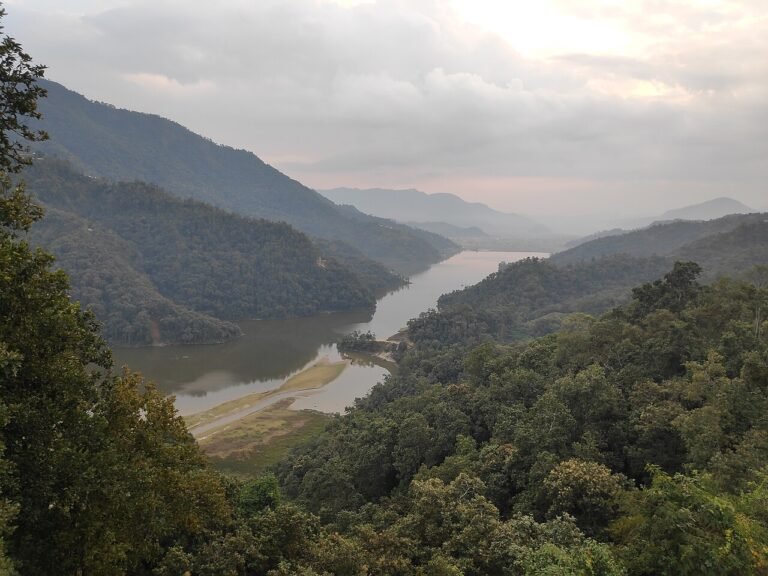
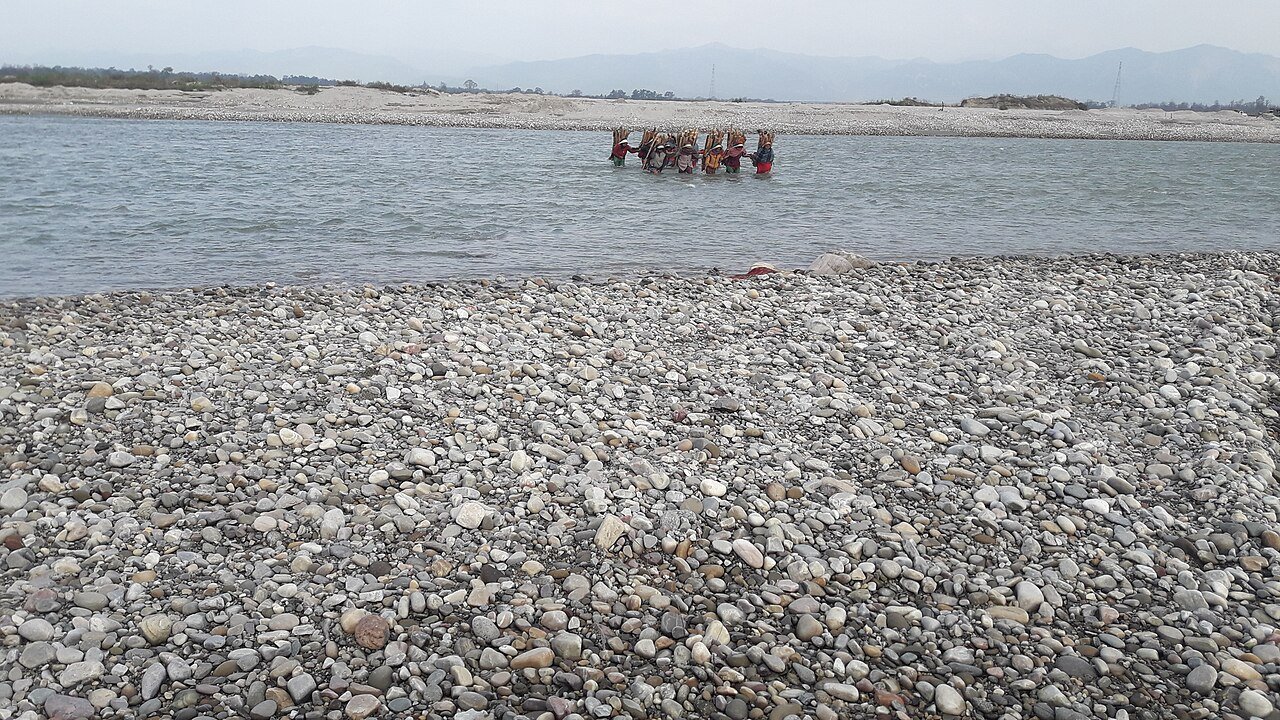
Featured image: the Mahakali river in Nepal. Photo: Bibek Joshu / Wikimedia Commons, CC BY-SA 4.0
Share this content: