Manaslu Royalty Refund Still Unresolved for 500 Climbers
KATHMANDU, November 22, 2026 (6 Mangsir 2083) — The snow that ended Manaslu’s autumn season took with it the summit chances of some 500 paying climbers. Two months on, it has not taken their money. The Rs 225.86 million those climbers paid in royalties is still in government accounts, with no published rule on whether it will be refunded, carried forward to another season or kept, and the Department of Tourism says the answer rests with the Cabinet.
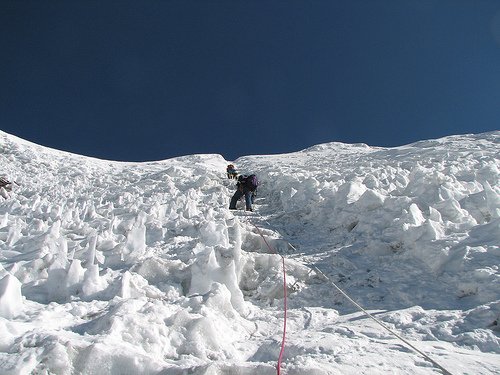
Nepal’s royalty system runs on a simple trade: the state sells permission to climb and banks the fee when the permit is issued, and the weather is the climber’s risk. But the 2026 autumn on Manaslu was not a case of a team quitting early. The route had been fixed to the summit, the ropes were in place and clients had reached Camp III before the snow came. Then the mountain shut, and 43 expedition teams went home without a summit.
- Manaslu’s autumn 2026 season was called off on September 22 after days of heavy snow buried the fixed route above Camp III. No client reached the top.
- The Department of Tourism issued permits to 43 teams carrying 500 climbers for the peak this autumn and collected Rs 225,857,189 in royalty from them.
- Manaslu is the one 8,000-metre mountain in Nepal where the autumn royalty — US$3,000 per foreign climber — is double the spring rate.
- Tourism department information officer Suraj Ghimire says no decision has been taken on refunding the money or adjusting it against a future season, and that the matter needs a Cabinet decision.
- The Nepal Mountaineering Association wants the government to repeat what it did after the 2014 Everest avalanche: refund the fee, or let it stand for the following year.
A season that closed with the route already open
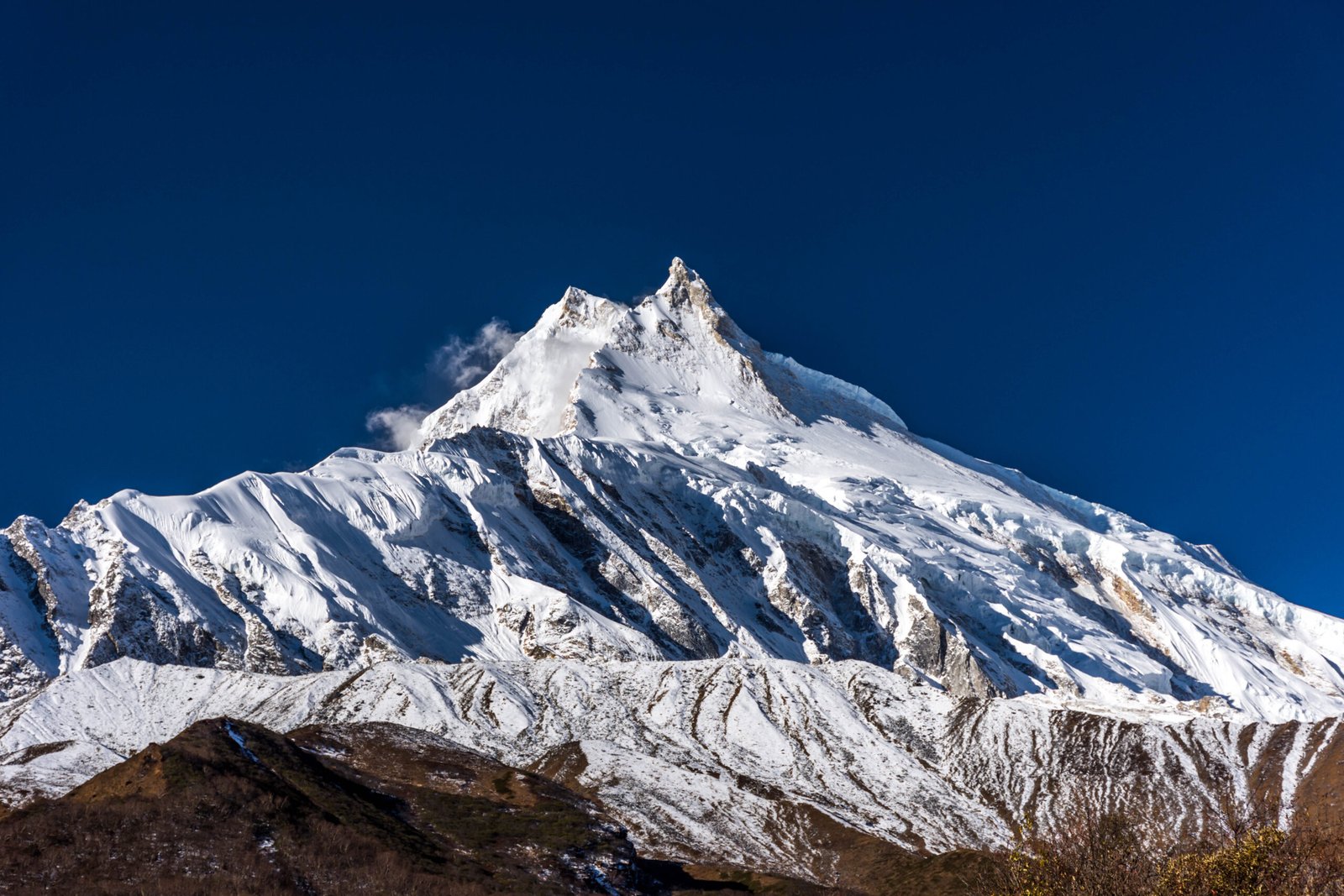
Manaslu, at 8,163 metres Nepal’s eighth-highest peak, has an autumn season that is its commercial main event. The spring rate for a foreign climber is US$1,500; in autumn it doubles. Autumn is Manaslu’s main season, and this year the demand was there: 43 teams, 500 climbers.
The season began well. A Sherpa rope-fixing team completed the route to the summit on September 17, and the first climbers moved up for acclimatisation. On September 18 and 19 heavy snowfall buried sections of the route and the fixed ropes, and teams that had reached Camp III came down. By September 22 the big outfitters — Seven Summit Treks, 8K Expeditions, Imagine Nepal, Asian Trekking, Pioneer Adventure and Satori Adventures among them — had called off their summit bids and begun closing camps.
In Samagaun, the last village under the mountain, ward chair Karma Chhewang Lama told The Himalayan Times that it had rained for about two weeks and that some three feet of snow lay at base camp, with more higher up. “This had never happened before,” he said. The Department of Tourism had advised climbers and trekkers to suspend activity from September 25 to 27 as a weather system over the Bay of Bengal moved in. It never became relevant on Manaslu: the season was over before the advisory took effect.
What the department says
The department’s position, as conveyed by its information officer, is that there is no position. Ghimire told ABC Nepal that there is no clear decision on whether to refund the royalty or adjust it against another season, and that such a call would have to come from the Cabinet. No notice has been published by the department or by the Ministry of Culture, Tourism and Civil Aviation setting out how abandoned expeditions will be treated.
What it has published is an accounting: its revenue release lists, peak by peak, the teams, the climbers and the money, and Manaslu is the largest line by a distance.
The money, in numbers
At US$3,000 a head, 500 foreign climbers produce about US$1.5 million, which at current rates is the Rs 225.86 million the department says it collected from Manaslu this autumn. The figure has crept upward in each official tally as permits were added: an earlier count on September 19 had 480 climbers and Rs 218.8 million; by September 22 The Himalayan Times, citing the department, reported 41 teams, 493 climbers and US$1.479 million, or about Rs 224.81 million. The latest release, reported on November 20, settles on 43 teams and 500 climbers.
Across the whole autumn the department reported Rs 334.2 million from 188 teams permitted on 48 peaks, with Manaslu accounting for roughly two-thirds of the total. ABC Nepal, citing the same department a day earlier, put the autumn total at Rs 323.79 million across 47 peaks, a difference that reflects the timing of the two releases. Dhaulagiri-1, the other 8,000er with a live autumn season, contributed Rs 847,365.
Why operators are citing 2014
The comparison the industry keeps making is to Everest in 2014, when an icefall avalanche killed 16 Nepali workers and the season collapsed. According to the mountaineering association, the government then gave climbers a choice between a refund and carrying their permit into the following year. Fur Gelje Sherpa, the association’s president, argues the same treatment is owed now, and frames it as commercial self-interest as much as fairness: foreign climbers and the companies that bring them carry a large financial risk, and a refund or credit would protect both their balance sheets and Nepal’s reputation as a place to book an expedition.
Beyond the fee, flights, hotels in Kathmandu, food, oxygen, wages for Sherpa and kitchen staff, equipment and insurance are all sunk before a climber reaches base camp, and none of it is refundable. The royalty is the one line the government controls.
Dhaulagiri was paused, not cancelled
Manaslu was not the only 8,000er disrupted. On Dhaulagiri, four teams with 34 foreign climbers pulled back to base camp when the weather turned; the department’s revenue table lists 37 climbers paying Rs 847,365, a discrepancy it has not explained. The summit route never opened this season and teams got as far as Camp II while fixing ropes and acclimatising. Clients went down to Pokhara and Jomsom to wait, and expedition leaders said the push could resume if conditions settled. The permits were used rather than abandoned, which puts Dhaulagiri in a different category.
Why it matters beyond the 500
Manaslu is where Nepal sells autumn. When 500 climbers — at one point nearly four in five of all climbers permitted in the season — lose their summit to weather, the handling of their fees becomes a market signal. Operators booking autumn 2027 cannot promise clients a government credit they are not sure they can deliver.
There is also an argument on the government’s side that the department has not made publicly. Manaslu’s Rs 225.86 million is money already booked; refunding it would put a visible hole in a mountaineering income that has become a reliable autumn line. Carrying the permits forward would cost the treasury nothing this year while keeping the climbers. That option appears to be on the table, but nothing has been decided, and the department has given no date for a Cabinet submission.
What it means for climbers and operators
- Keep the paperwork: permit, royalty receipt and the invoice line showing the US$3,000. Any refund or credit will be processed against those documents.
- Ask the operator in writing. Many packages bundle the royalty into a single price, which means a government refund would pass through the company rather than straight to the climber.
- Do not plan cash flow around a quick answer. The decision is with the Cabinet, and no timeline has been published.
- If you are booking autumn 2027, ask what happens to the government fee if the season is closed, and get the answer in the contract rather than in an email.
- Check what your insurance says about abandoned expeditions before paying a deposit; a policy that covers medical costs does not necessarily cover a lost season.
What it means for trekkers
The dispute does not touch the Manaslu Circuit. Trekkers on the circuit buy conservation-area and restricted-area permits, a separate system from climbing royalties, and no change to those fees has been announced. Anyone heading for Larke Pass should still check trail and weather conditions with a local operator, since the same storms that closed the climbing route have been delivering early snow to the high passes. Our Manaslu region guide and the permits guide set out what is needed.
What is still unknown
No date has been set for a Cabinet decision, no ministry statement has been issued, and there is no confirmation of whether any team has already received a partial refund quietly. Until one of those things changes, the 500 climbers who paid to climb Manaslu in 2026 hold a permit for a season that no longer exists, and a receipt for Rs 225.86 million the government has not yet decided what to do with.
Sources: ABC Nepal, The Himalayan Times, Tourism Times, Khabarhub, TV Annapurna, Department of Tourism royalty schedule.
Share this content: