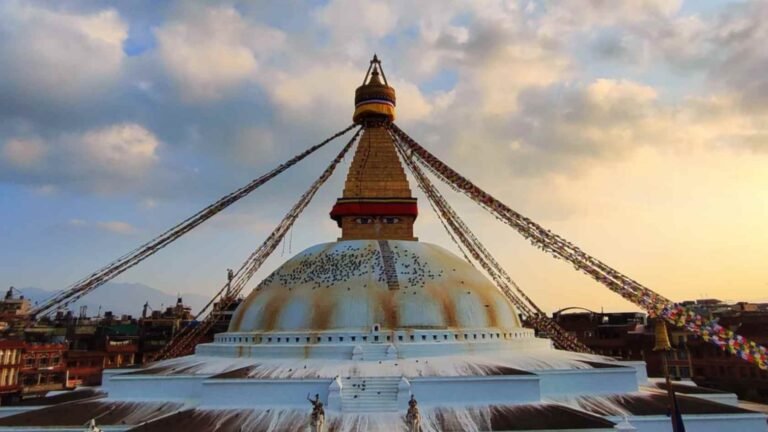

Nepal in 2025: Ultimate Adventure and Spiritual Travel Guide
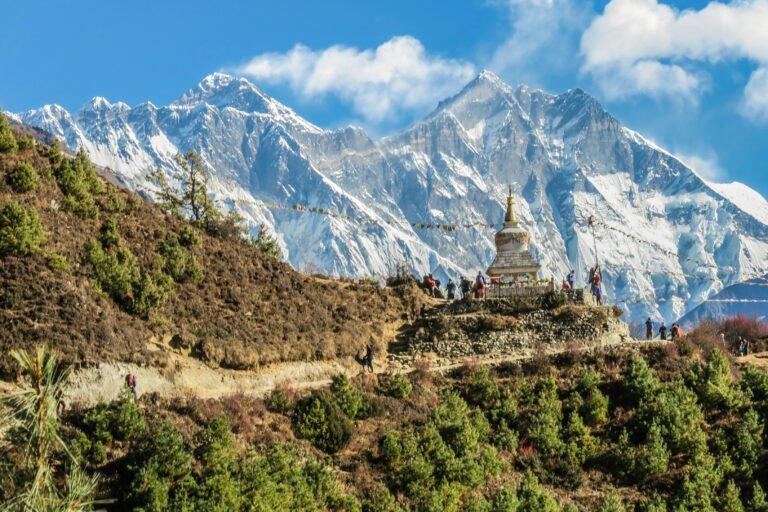
Nepal has redefined itself in 2025 as the world’s most versatile travel playground. In a single trip, you can watch sunrise over Everest at 5,000 meters, share butter tea with a Sherpa family in the Khumbu, and later sit in quiet meditation beside a stupa in Kathmandu.
“From the tropical jungles of the Terai to the roof of the world, Nepal offers a spectrum of experience you rarely find in a single country.”
That range is the whole point of this guide. Few destinations let you go from a rhino-inhabited subtropical jungle at 150 m elevation to a 5,000 m glacial viewpoint in the same fortnight, then spend your recovery days in a 2,000-year-old courtyard city. Below you will find the year’s best adventure experiences, the deepest spiritual sites, realistic costs for each, and the practical planning table that makes an adventure-plus-wellness itinerary actually work.
Top Experiences to Add in 2025
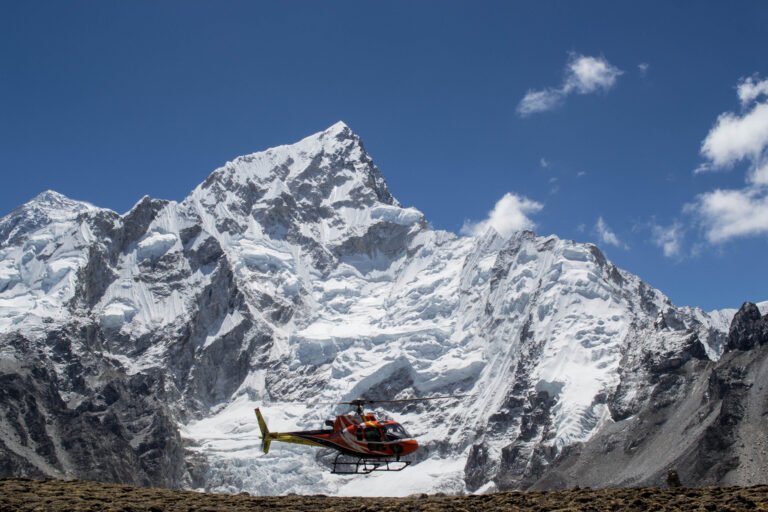
- Everest Base Camp Trek: 12 days; improved teahouses and updated trail safety.
- Annapurna Circuit via Thorong La: 18 to 21 days; ideal March-May and October-November.
- Chitwan Jungle Safari: Rhino sightings are up; stay at community-run lodges for deeper immersion.
- Kathmandu Valley Heritage Walk: Patan, Bhaktapur, Pashupatinath, and Boudhanath in one focused cultural day.
- Pokhara Wellness Weekend: Yoga by Phewa Lake, Ayurvedic spa treatments, and sunset paragliding.
How those headline trips actually stack up in time and money:
| Experience | Days needed | Indicative cost (USD) | Best window |
|---|---|---|---|
| Everest Base Camp trek | 12-14 | 1,300-2,500 | Mar-May, Oct-Nov |
| Annapurna Circuit (Thorong La) | 15-21 | 900-1,400 | Mar-May, Oct-Nov |
| Annapurna Base Camp | 7-11 | 600-1,100 | Mar-May, Oct-Nov |
| Chitwan safari (2 nights) | 2-3 | 150-350 | Oct-Mar |
| Kathmandu heritage circuit | 1-2 | 30-80 | Year-round |
| Pokhara wellness weekend | 2-3 | 120-400 | Year-round, best Oct-Apr |
| Lumbini day trip | 1-2 | 60-150 | Year-round |
The mix matters more than the checklist. The strongest two-week itineraries pair one hard week with one soft week: for example, a 10-day Annapurna Base Camp trek followed by two nights in a Pokhara yoga retreat, a Chitwan safari, and a final cultural day in Patan. You arrive home tired from the mountains, not broken by them. Our Top 10 Best Adventures to Do in Nepal guide ranks every adrenaline option from bungee jumps at The Last Resort to whitewater rafting on the Trishuli, and our Nepal Trekking Grades Explained guide helps you match a trek to your actual fitness level before you commit.
Spiritual Hotspots
- Lumbini: The birthplace of Buddha; quiet, contemplative, and deeply moving.
- Boudhanath Stupa: One of Nepal’s largest spherical stupas; join the evening kora with locals.
- Kopan Monastery: Beginner-friendly meditation courses with daily monastery routine.
- Malaika Retreat, Pokhara: Himalayan-view yoga nidra, sound healing, and Ayurvedic reset programs.
Each site suits a different kind of traveler. Boudhanath is the easiest immersion in the country: arrive around 5 pm, walk three clockwise circuits with the crowd while monks chant in the surrounding monasteries, then eat at a rooftop cafe watching the stupa’s eyes catch the last light. Kopan’s famous 10-day residential meditation courses fill months ahead, but its day visits and shorter weekend programs are bookable closer to the date. Lumbini rewards a full day rather than a rushed stop: the Sacred Garden, the Maya Devi Temple marking the exact birth spot, the Ashokan pillar, and the international monastic zone where each Buddhist nation has built its own architectural statement.
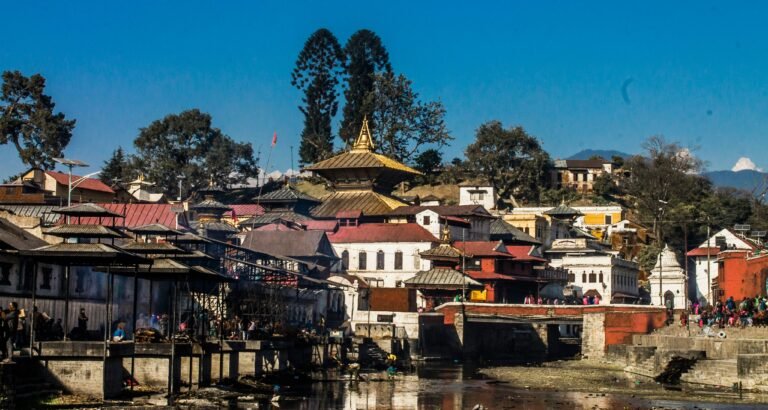
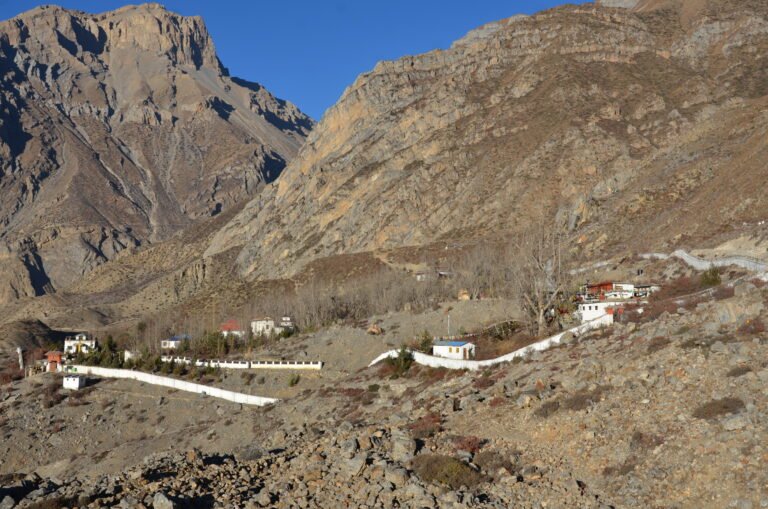
For Hindus, Pashupatinath on the Bagmati is one of the most important Shiva temples in the world, and Muktinath at 3,800 m in Mustang draws both Hindu and Buddhist pilgrims to its 108 sacred water spouts. Many trekkers on the Annapurna Circuit now treat Muktinath as the spiritual climax of the route, and it is also reachable without trekking via a flight to Jomsom plus a short drive. Our Muktinath Temple Pilgrimage Guide 2026 covers the route, rituals and logistics in detail.
Adventure Plus Pilgrimage: Sample Itinerary Ideas
A question we hear constantly: can a single trip combine a serious trek with spiritual depth? Three proven templates:
- The Classic Blend (16-18 days): 10-day Annapurna Circuit as far as Muktinath, then fly Jomsom to Pokhara, two recovery nights there, and finish with Lumbini or a Kopan meditation weekend before flying home.
- The Khumbu Loop (14-16 days): Everest Base Camp with rest days at Namche and Dingboche that include monastery visits at Tengboche, then return to Kathmandu for Boudhanath and Kopan.
- The Lowland Reset (10 days): Chitwan safari, Lumbini, then a Pokhara wellness block; ideal for travelers who want transformation without altitude.
On permits and paperwork, the adventure pillars each have their own requirements: Everest Base Camp needs the Sagarmatha National Park entry (NPR 3,000) plus the Khumbu municipal permit (NPR 2,000); the Annapurna region needs ACAP (NPR 3,000) plus TIMS where applicable; Chitwan needs only its park entry, arranged with your lodge; and Lumbini and the Kathmandu heritage sites need nothing beyond small entrance fees, though Pashupatinath’s inner sanctum is for Hindus only. If you are still choosing between the two great base camp treks, see our Annapurna vs Everest Base Camp comparison for the full cost, altitude and duration breakdown.
Practical Planning
| Category | Details |
|---|---|
| Best travel months | March-May and September-November |
| Visa on arrival | Available for most nationalities; 15, 30, or 90 day options |
| Currency | Nepalese Rupee (NPR); cards widely accepted in Kathmandu and Pokhara |
| Internet | Ncell and NTC 4G in most trekking hubs; buy a local SIM at the airport |
| Tipping | 10% in restaurants; NPR 500-1,000/day for guides and porters |
| Daily city budget | Midrange travelers: USD 35-60/day excluding treks |
| Insurance | Must cover helicopter evacuation above 5,000 m for high treks |
Three planning notes that consistently trip people up. First, altitude: if your itinerary climbs above 3,000 m, build acclimatization into the schedule rather than hoping fitness will carry you; altitude illness ignores your marathon time. Second, cash: outside Kathmandu and Pokhara, assume cards do not work; withdraw enough NPR in the cities for the whole mountain segment. Third, the visa math: the 30-day visa on arrival costs USD 50 and the 90-day USD 125, extensions run USD 3 per day, and over-staying fines are steep; budget your days with a buffer for weather-delayed flights. The official Nepal Tourism Board portal (welcomenepal.com) lists current visa rules, and our Nepal Tourist Visa and TIMS Card guide walks through arrival, forms and the paperwork sequence step by step.
Best Time to Visit in 2025
The autumn window of October and November remains the gold standard: post-monsoon air at its clearest, stable trekking weather, and the festival season at its loudest, with Dashain and Tihar lighting up the whole country. Spring (March to May) runs a close second, with rhododendrons in full bloom on mid-hill trails and Everest expedition teams marching through Lukla in April. Winter is quiet and crisp: fine for heritage tours, Chitwan safaris and lower valley treks like Ghorepani, too cold for most people above 4,000 m. The monsoon (June to August) is cloud, rain and leeches on the main trekking routes, but it is the perfect season for Mustang and Dolpo, which sit in the Himalayan rain shadow. The full month-by-month picture, including costs and crowds, is in our Best Time to Visit Nepal guide.
Safety and Health Basics
Adventure travel in Nepal is safer than its reputation suggests, provided you respect three things: altitude, water and insurance. Drink bottled or filtered water only; teahouse tap water and most city taps will spoil a trip faster than any landslide. Eat at busy places where the food turns over quickly, and keep a basic medical kit with rehydration salts, altitude medication discussed with your doctor, and blister care, because blister problems end more treks than emergencies do. For anything serious, private hospitals in Kathmandu are the standard, and helicopter evacuation from the mountains is well organized as long as your insurer has authorized it, which is why you confirm the policy before flying, not after.
A few cultural practices keep every trip smooth: dress modestly at religious sites, walk clockwise around stupas, remove shoes before entering monastery halls and temple courtyards, ask before photographing people, especially at Pashupatinath where cremation ceremonies are underway and must never be photographed, and use your right hand for giving and receiving. The TravellingNepal editorial desk reviews safety and etiquette advice each season, so check back before departure for updates. Our Nepal Trekking Safety Guide 2026 has the full health checklist.
FAQ
Q: Is Nepal safe for solo female travelers?
A: Yes. Nepal is widely welcoming for solo travelers, especially in tourist hubs. Standard precautions apply after dark in Thamel and Pokhara.
Q: Do I need a guide for Everest Base Camp?
A: Not legally required since 2023, but a local guide is strongly recommended for altitude safety, route knowledge, and cultural context.
Q: Can I combine trekking with a spiritual retreat?
A: Yes. Many operators offer combined Manaslu or Annapurna itineraries followed by post-trek yoga and meditation.
Q: How much does a two-week Nepal trip cost?
A: A midrange trip with a short trek, a safari and cultural days runs roughly USD 900-1,600 excluding international flights; a full EBC itinerary pushes the total to USD 1,800-2,800.
Q: What should I pack for adventure plus spiritual travel?
A: Layers for everything from 30 C in Chitwan to -10 C at high camps, modest clothing for temples (shoulders and knees covered), and a good down jacket you can rent in Thamel rather than carry from home. Our Nepal Trekking Packing List 2026 covers the mountain half.
Ready to plan? Visit TravellingNepal.com to start building your Nepal itinerary.
Share this content: