Nepal SIM Cards and Mobile Internet for Travellers (2026)
Buy a local SIM card at Kathmandu airport or any street shop with your passport, and you will have 4G mobile internet across most of Nepal for less than USD 10 a month. Nepal has two main networks, Ncell and Nepal Telecom (NTC), both selling prepaid tourist SIMs with cheap data packages. This guide compares the two, lists costs, and explains what coverage is really like on the Everest and Annapurna trails.
- A prepaid tourist SIM costs NPR 100-500 (USD 1-4); register with your passport, visa page and one photo at Kathmandu airport arrivals or any city mobile shop in about ten minutes.
- One mid-size data pack (roughly NPR 200-500) covers a typical trekking week; a two-week trip averages USD 8-10 in total.
- Both Ncell and Nepal Telecom offer eSIM, but physical SIMs are still faster to activate at the counter.
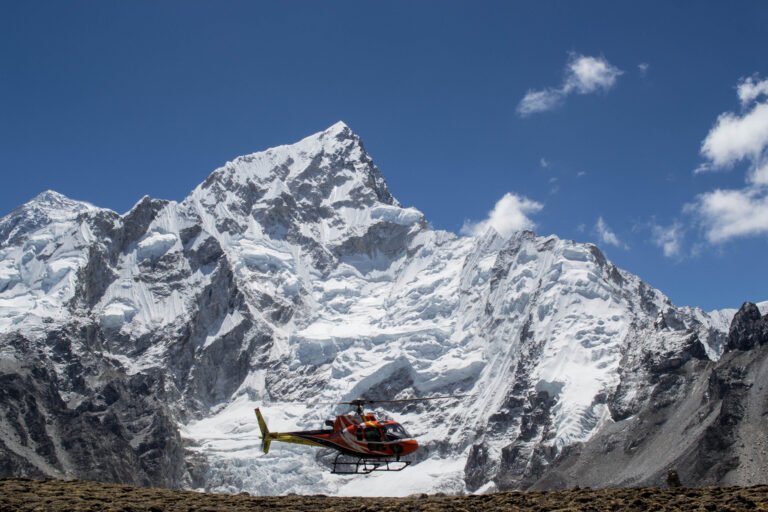
- On the Everest Base Camp trek expect 4G in Lukla and Namche Bazaar, with Nepal Telecom usually holding signal longest higher up. The Annapurna region is covered village to village.
- Teahouse Wi-Fi costs NPR 100-300 per device; treat it as a bonus and mobile data as the backup.
Table of contents
- Why should travellers buy a Nepali SIM card?
- Which network should you choose: Ncell or Nepal Telecom?
- How much does a SIM card cost in Nepal?
- What do data packages cost?
- Is eSIM available in Nepal?
- Does mobile data work on the Everest and Annapurna treks?
- How good is Wi-Fi in teahouses?
- Practical tips for staying connected
- Staying connected on a budget: sample two-week plan
- What about internet cafes and hotel Wi-Fi in cities?
- Money-saving mistakes to avoid
- FAQ
- Takeaways
- Sources

Why should travellers buy a Nepali SIM card?
Roaming charges from foreign carriers in Nepal are among the highest in South Asia, and hotel Wi-Fi is unreliable at best. A local prepaid SIM gives you a Nepali phone number (needed for everything from booking apps to contacting trekking lodges), plus mobile data that works in almost every town and most trekking villages. For a few dollars you get maps, translation apps, ride-hailing in Kathmandu, and WhatsApp calls home whenever you have signal.
Which network should you choose: Ncell or Nepal Telecom?
Nepal has two nationwide carriers, and most travellers pick based on where they are going:
| Ncell | Nepal Telecom (NTC) | |
|---|---|---|
| Network type | Private GSM/4G | State-owned GSM/4G |
| Best for | Cities, Pokhara, most trek routes | Remote areas, high valleys |
| City coverage | Excellent | Excellent |
| Everest region | Good up to Namche, patchy above | Good, often stronger in high villages |
| Upper Mustang / Dolpo | Patchy | Better in most settlements |
| Buying a SIM | Airport counter, shops everywhere | Airport counter, NTC offices |
The practical difference is small in cities. On the trail, NTC often keeps signal longer in remote valleys while Ncell is sometimes faster in towns. Many long-term travellers simply carry both: an NTC SIM for coverage and an Ncell SIM for speed.
How much does a SIM card cost in Nepal?
Both operators sell prepaid SIMs cheaply, but bring the right documents:
- Cost: around NPR 100 to 500 (roughly USD 1 to 4), usually including some starter credit.
- Documents: your passport, your visa (the entry stamp page), and one passport photo. Registration is legally required and takes five minutes.
- Where: official counters at Tribhuvan International Airport arrivals (open for most international flights), or any mobile shop in Thamel, Pokhara Lakeside, or Sauraha with a sign for Ncell or NTC.
Avoid SIMs sold informally without registration in your name: unregistered SIMs get deactivated, and you will lose your number mid-trek.
What do data packages cost?
Package names and rates change frequently, so treat these as typical 2026 figures and confirm at the counter. Both operators sell time-limited data packs via USSD codes or their apps:
| Package | Ncell (typical) | NTC (typical) |
|---|---|---|
| 1 day, ~1 GB | NPR 30-60 | NPR 25-50 |
| 7 days, ~5 GB | NPR 200-350 | NPR 150-300 |
| 30 days, ~10-20 GB | NPR 500-900 | NPR 400-800 |
| Voice minutes + SMS packs | From NPR 50 | From NPR 50 |
For a two-week trip, one mid-size pack around NPR 500 (under USD 4) is usually plenty. Top up credit at any shop displaying a recharge sign; both operators also accept payment through the eSewa and Khalti wallet apps.
Is eSIM available in Nepal?
Yes, both Ncell and Nepal Telecom have introduced eSIM support, and international eSIM marketplaces also list Nepal data plans. In practice, a physical SIM remains the easier option: airport counters issue them instantly with your passport, while eSIM activation sometimes requires visiting a operator office in Kathmandu. If you rely on eSIM-only devices, arrange your Nepal plan before flying or be ready to register at an NTC or Ncell office in the city.
Does mobile data work on the Everest and Annapurna treks?
Surprisingly often, yes, though quality drops with altitude. On the Everest Base Camp trek, you get 4G in Lukla and strong signal in Namche Bazaar; coverage continues in patches through Tengboche, Dingboche and Lobuche, and even Base Camp itself gets bars on NTC when weather cooperates. On the Annapurna Circuit and ABC routes, nearly every village from Besisahar to Muktinath has some signal. Manaslu is patchier, and deep Upper Mustang or Dolpo is mostly offline.
Expect slow 2G-to-3G speeds above 3,500 m. Messaging apps usually squeeze through; video calls and large uploads often do not.
How good is Wi-Fi in teahouses?
Most teahouses on the popular routes sell Wi-Fi vouchers for NPR 100-300 per device, usually via mountain relay networks. Speed is adequate for messaging and email but rarely for streaming. In teahouse trekking, treat Wi-Fi as a bonus and mobile data as the backup. For a full connectivity plan by region, see our trekking packing list, which also covers power banks and solar chargers, because outlets in high lodges are scarce and charging sometimes costs extra.
Practical tips for staying connected
- Buy at the airport if you land before evening; counters close late at night. Otherwise any Thamel shop sells SIMs in ten minutes.
- Carry your passport when buying and check the SIM works (make a test call, load a webpage) before leaving the shop.
- Download offline maps of your trekking region before leaving Kathmandu: Google Maps offline areas or Maps.me cover all major routes.
- Grab a local power bank of at least 10,000 mAh; cold drains batteries fast above 4,000 m.
- Keep your number active by topping up monthly if you stay long-term; prepaid SIMs expire after a period without use.
Staying connected on a budget: sample two-week plan
Here is what a realistic connectivity setup looks like for a typical two-week Nepal trip combining city sightseeing and a short trek. Day one: buy an NTC SIM at the airport counter with your passport, add a seven-day data pack around NPR 250, and test it with a call and a webpage before leaving. Days two to four in Kathmandu: Wi-Fi at your hotel handles heavy use while mobile data covers navigation with Google Maps and Pathao rides. Before leaving for the trail on day five, top up NPR 500 more and download offline maps for your trekking region. On the trail: keep data off except in the evenings at teahouses, send voice notes instead of video, and rely on SMS for anything urgent. Total cost for two weeks: around USD 8-10, a fraction of any roaming plan.
What about internet cafes and hotel Wi-Fi in cities?
Kathmandu and Pokhara remain friendly to travellers without SIM cards. Most mid-range hotels include free Wi-Fi that is good enough for browsing and calls, and internet cafes survive in Thamel at around NPR 50-100 per hour if you need a real keyboard or printing for trekking permits. The catch is power: outages can kill hotel routers, which is another reason mobile data is the dependable backup. If you work remotely, note that hotel Wi-Fi in Nepal rarely supports video calls reliably, so plan calls around coworking cafes in Kathmandu and Pokhara that sell hourly passes with business-grade connections.
Money-saving mistakes to avoid
- Buying at the airport without comparing: airport counters sometimes push larger starter packs than you need. Decide your rough data use first.
- Forgetting the registration expiry: tourist SIMs are valid for the length of your visa; if you extend your visa, extend the SIM registration too at an operator office.
- Streaming on the trail: video at altitude burns data and battery; download films in Kathmandu before departure.
- Ignoring smaller wallets: eSewa and Khalti top-ups need a Nepali number to register, but shops everywhere sell physical recharge cards, so keep some cash for them.
FAQ
Can I get a SIM card at Kathmandu airport?
Yes. Both Ncell and Nepal Telecom run counters in the arrivals hall, open during main flight hours. Bring your passport, visa page, a passport photo and cash in rupees. The whole process takes about ten minutes.
Does my foreign SIM work in Nepal?
Most international SIMs roam onto Ncell or NTC networks, but roaming rates are expensive and coverage is the same as the local network. A local SIM is far cheaper for any stay longer than a few days.
Is there internet at Everest Base Camp?
Signal reaches Base Camp intermittently on Nepal Telecom, enough for short texts and voice notes. Namche Bazaar has reliable 4G. Many trekkers upload their summit-area photos only after returning to Namche or Lukla.
How do I recharge my SIM balance?
Buy scratch cards or digital top-ups at any shop showing recharge signs in towns, or use the eSewa and Khalti wallet apps with an international card. Teahouses at altitude sometimes sell top-ups at a small markup.
What about the monsoon?
Heavy rain can knock out towers for hours, and cloud cover weakens mountain links, so connections drop more during the monsoon season. Plan important calls for clear mornings.
Can I register more than one SIM card?
Yes, in the combination most trekkers want: each operator registers one SIM against your passport, so you can legally hold one Nepal Telecom SIM and one Ncell SIM at the same time. That is exactly how many long-term travellers stay connected, keeping NTC for coverage in remote valleys and Ncell for speed in towns.
Takeaways
A local SIM is the single cheapest upgrade to your Nepal trip: a few dollars buys you navigation, bookings, and a way to call home from the mountains. Register with your passport at the airport or a city shop, load a mid-size data pack, carry a power bank, and treat trail Wi-Fi as a bonus rather than a plan. For everything else you need before flying in, see our complete visa and permits guide.
Sources
- Nepal Telecom official website (operator information, SIM registration, prepaid data packages).
- Ncell official website (operator information, prepaid packs, eSIM support).
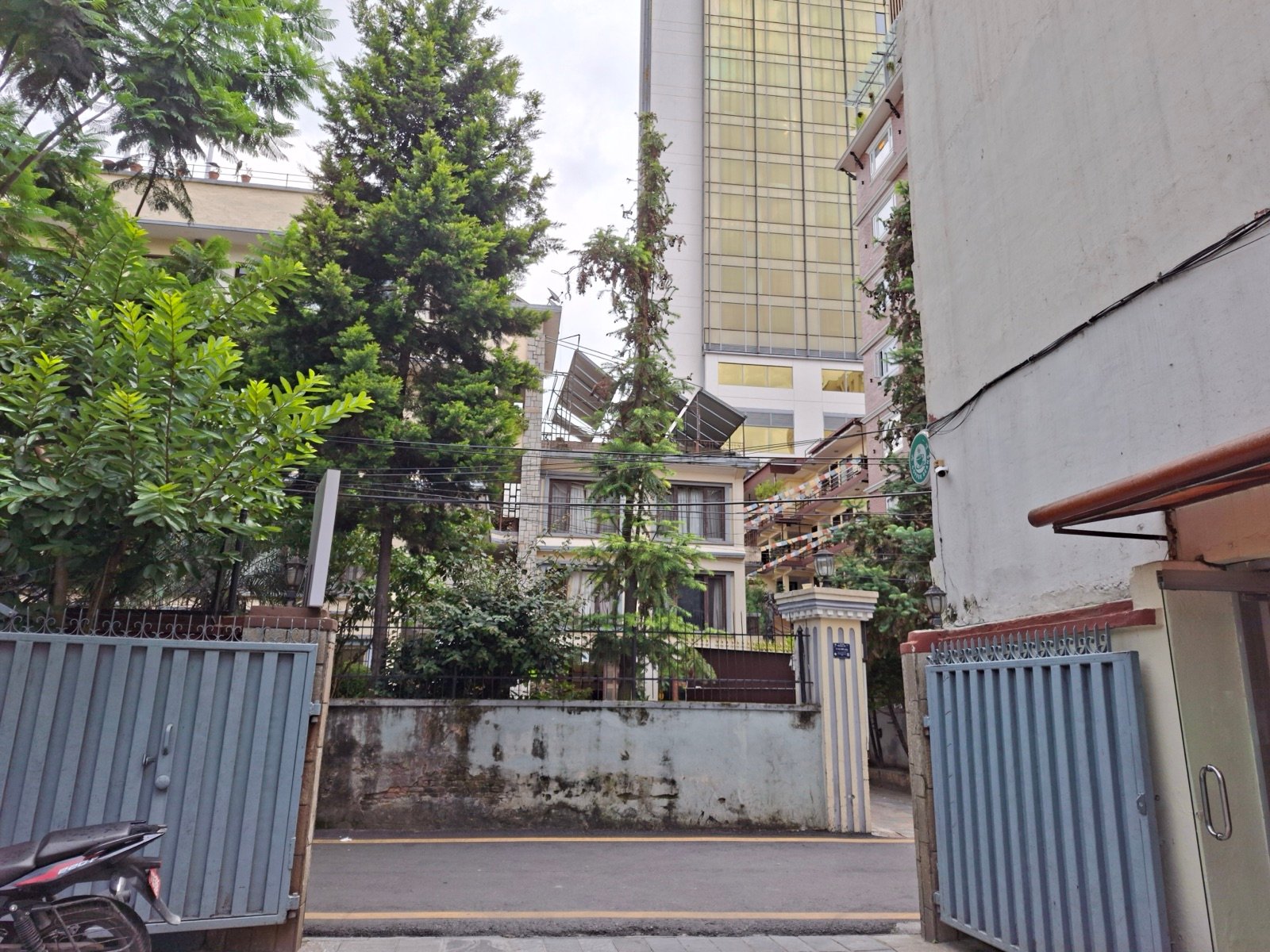
- Thamel, Kathmandu 07, Wikimedia Commons (featured photograph by Saddam Hussain Ansari, CC BY 4.0).
This guide was published on September 14, 2026. Package names and prices change frequently; treat the figures above as typical 2026 rates and confirm current offers when you buy.
Share this content: