Tokha-Chhahare Road Closed at Night: Landslide Risk on Key Nepal-China Border Route
Complete guide: Nepal Trekking Safety and Health Guide (2026)
As of August 19, 2026 — The Nuwakot District Administration Office has ordered the nightly closure of the Tokha-Chhahare road section due to increased landslide and mudslide risk from monsoon rainfall. The restriction, in effect from 10 PM to 5 AM daily, began on the night of August 17 and will remain in place until further notice. The road is a major route connecting Dhading and the Rasuwagadhi border point with China through Nuwakot district.
The decision directly impacts travelers heading to or from the Rasuwagadhi-Kerung border crossing — one of Nepal’s two operational overland crossings with China — as well as anyone driving between the Kathmandu Valley and Nuwakot, Dhading, or the northern border region. Below is everything you need to know about the closure, the affected route, and how to plan safe travel in Nepal’s monsoon season.
Table of Contents
- What Happened: The Tokha-Chhahare Night Closure
- Where Exactly Is the Affected Section?
- Why This Road Matters: The Rasuwagadhi Border Connection
- Monsoon Road Risks in Nepal: A Pattern
- Travel Tips: How to Navigate the Closure
- Emergency Contacts and Resources
- Other Nepal Road Conditions During Monsoon 2026
- Why Travel Insurance Is Non-Negotiable
- FAQ: Your Questions Answered
What Happened: The Tokha-Chhahare Night Closure
On August 19, 2026, the Nuwakot District Administration Office announced that the Tokha-Chhahare road section would remain closed to all non-essential traffic between 10:00 PM and 5:00 AM every night. The restriction took effect on the night of August 17 and continues indefinitely.
Chief District Officer Shambhu Prasad Regmi stated that the closure was prompted by an increase in landslides, mudslides, and falling rocks along the route, particularly in the Ghattekhola section of Shivapuri Rural Municipality-8. This stretch has been identified as especially vulnerable during the current monsoon period.
During the restricted hours, only ambulances and emergency vehicles are permitted to use the road. Security personnel will be deployed at high-risk locations to monitor conditions and facilitate any necessary emergency movement.
The District Administration Office has urged the public to plan journeys during daylight hours and to avoid the route entirely during periods of heavy rainfall.
Where Exactly Is the Affected Section?
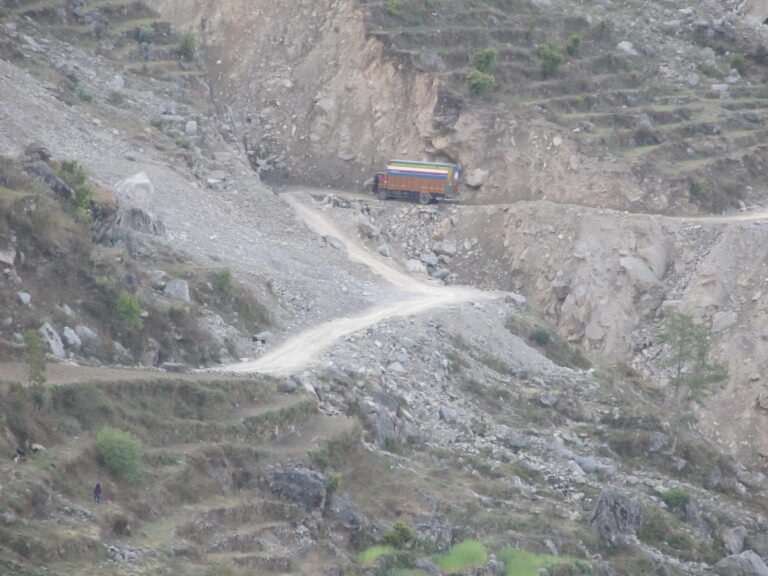
The Tokha-Chhahare road runs through Nuwakot district, north of Kathmandu. It forms part of the larger road network connecting the capital region to the northern border with China at Rasuwagadhi. The specific area under restriction — the Ghattekhola section in Shivapuri Rural Municipality-8 — is a narrow, mountain-hugging stretch where the terrain is steep and the road is cut into hillsides prone to saturation during the monsoon.
Travelers should note that the closure applies specifically to nighttime travel (10 PM–5 AM). Daytime travel is still permitted, though authorities advise caution and recommend checking local conditions before departing.
| Detail | Information |
|---|---|
| Affected road | Tokha-Chhahare section, Nuwakot district |
| High-risk area | Ghattekhola, Shivapuri Rural Municipality-8 |
| Closure hours | 10:00 PM – 5:00 AM daily |
| Effective from | Night of August 17, 2026 |
| Until | Until further notice |
| Exceptions | Ambulances and emergency vehicles only |
| Ordered by | Nuwakot District Administration Office (CDO Shambhu Prasad Regmi) |
Why This Road Matters: The Rasuwagadhi Border Connection
The Tokha-Chhahare road is not just a local route — it is part of a strategic corridor that connects the Kathmandu Valley to the Rasuwagadhi border crossing, one of Nepal’s two operational land borders with China (the other being Tatopani/Khasa in Sindhupalchok). Rasuwagadhi links to the Chinese town of Kerung (Gyirong) and serves as a key trade and transit point.
For travelers, the route is significant for several reasons:
- Trade and commerce: Goods from China transit through this crossing, and disruptions can affect supply chains.
- Pilgrimage travel: Many Nepali and Indian pilgrims traveling to Kailash Mansarovar in Tibet use the Rasuwagadhi-Kerung route.
- Tourism: The road provides access to the Langtang region, one of Nepal’s most popular trekking destinations, which was heavily affected by the 2015 earthquake and has been steadily recovering.
- Overland travel to China: Though the border’s opening status for foreign tourists varies, the road is an important link for cross-border movement.
The nightly closure means that overland travelers who previously planned nighttime drives to or from the border must adjust their itineraries to ensure they reach the affected section during daylight hours.
Monsoon Road Risks in Nepal: A Pattern, Not an Exception
The Tokha-Chhahare closure is part of a well-established pattern in Nepal: every monsoon season (roughly June to September), mountain roads across the country face landslides, mudslides, washouts, and rockfalls. The combination of steep terrain, geologically young and fractured Himalayan rock, and intense monsoon rainfall creates conditions where road sections can become impassable or dangerous with little warning.
This is not the first road closure Nepal has seen in 2026. Earlier in the season:
- The BP Highway in Kavre was blocked after rains swept away diversions, affecting travelers heading toward Manthali and the Lukla trailhead.
- The Ghandruk road in the Annapurna region was washed out by flooding of the Modi River, forcing one-way traffic on a limited section.
- Multiple sections of the Prithvi Highway and other major routes have experienced intermittent closures during heavy rainfall events.
These closures highlight a critical reality for anyone traveling in Nepal during the monsoon: road conditions can change rapidly, and nighttime travel on mountain roads is inherently more dangerous due to poor visibility, delayed emergency response, and the difficulty of spotting developing landslide risks in the dark.
The Nuwakot administration’s proactive nighttime closure is, in fact, a sensible safety measure. Rather than waiting for a major incident to occur, authorities have acted to prevent night-time accidents on a road section known to be vulnerable.
Travel Tips: How to Navigate the Closure
If you are planning to travel on the Tokha-Chhahare road or any mountain road in Nepal during the monsoon season, here are practical steps to stay safe:
- Plan daytime travel only. The closure is from 10 PM to 5 AM, but even outside those hours, it is wise to complete mountain road travel during full daylight. Visibility is better, and if a landslide does occur, rescue services can respond more quickly.
- Check conditions before departing. Contact local police or district administration offices for the latest road status. Local sources have the most current information on whether a road is passable.
- Carry emergency supplies. Keep water, snacks, a charged phone, a power bank, and a first-aid kit in your vehicle. If you are stuck behind a landslide or road closure, these essentials matter.
- Do not attempt to cross a landslide area. If you encounter fresh landslide debris or active rockfall, stop and wait. Do not try to drive through — secondary slides can occur within minutes.
- Inform someone of your route and ETA. Let a friend, hotel, or guide know your planned route and expected arrival time. If you do not arrive, they can alert authorities.
- Consider alternative routes. If the Rasuwagadhi route is compromised, evaluate whether your travel can be rerouted or delayed. Not all journeys are time-critical.
- Monitor weather forecasts. Heavy rainfall is the primary trigger for landslides. If significant rain is forecast for the next 24–48 hours, reconsider non-essential mountain travel.
Emergency Contacts and Resources
The Nuwakot District Administration Office has provided the following emergency contact numbers for travelers and residents in the area:
| Service | Phone Number |
|---|---|
| District Police Office | 100 |
| Armed Police Force | 1114 |
| District Emergency Operations Centre | 1234 |
For travelers on trekking routes, the Tourist Police can be reached at 1144 or via the Nepal Tourism Board’s hotline. Keep these numbers saved on your phone before traveling to remote areas.
If you are an international traveler involved in or affected by a road incident, contact your embassy’s consular section as well. Most embassies in Kathmandu maintain 24-hour emergency lines for their citizens.
Other Nepal Road Conditions During Monsoon 2026
The Tokha-Chhahare closure is one of several road disruptions affecting Nepal’s tourism and travel network during the 2026 monsoon. Travelers should be aware that conditions can change rapidly across the country:
- BP Highway (Kavre–Manthali): This route, used by trekkers heading to Manthali for Lukla flights, has experienced blockages from washed-out diversions. If you have an early morning Lukla flight, plan to reach Manthali the previous afternoon.
- Ghandruk road (Annapurna region): The road to Ghandruk — a gateway village for the Annapurna Base Camp trek — was damaged by Modi River flooding. One-way traffic has been reported on the reopened section.
- Prithvi Highway (Kathmandu–Pokhara): Occasional closures and delays due to landslides are common during heavy rainfall. Allow extra time for this journey during the monsoon.
- Beni–Jomsom road: The road to the Annapurna Circuit and Muktinath can be affected by landslides and flooding, particularly in the Kali Gandaki gorge. Check status before departure.
For the most current road conditions, contact local District Administration Offices, check with your trekking agency, or consult the Department of Roads’ advisories where available.
Why Travel Insurance Is Non-Negotiable
Road closures, landslides, and weather disruptions are a routine part of traveling in Nepal during the monsoon. This is precisely why comprehensive travel insurance is essential — not optional — for anyone visiting Nepal, particularly during the rainy season.
A good travel insurance policy should cover:
- Trip cancellation and interruption: If road closures or weather force you to change your plans, you may be able to recover non-refundable costs.
- Emergency medical evacuation: If you are injured in a road accident or landslide, helicopter evacuation from remote areas can cost thousands of dollars. Your insurance should cover this.
- Delays: Some policies offer compensation for significant travel delays caused by natural events.
- Lost or damaged belongings: If luggage is damaged in transit or a road incident, coverage can help replace essential items.
Read your policy carefully. Many standard travel insurance plans exclude coverage above certain altitudes (commonly 4,500 or 5,000 meters) or do not cover trekking without an additional rider. If you are trekking in Nepal, confirm that your policy specifically covers trekking and high-altitude activities.
FAQ: Your Questions Answered
Is the Tokha-Chhahare road completely closed?
No. The road is only closed from 10:00 PM to 5:00 AM. During daytime hours, the road remains open, though authorities advise caution. The closure is limited to nighttime hours when landslide risk is highest and visibility is poorest.
Can I still travel to the Rasuwagadhi border?
Yes, but you should plan your journey to pass through the Tokha-Chhahare section during daylight hours. If you are traveling from Kathmandu, departing in the morning and arriving at the border or your overnight stop before evening is the safest approach. Always check current border opening status for foreign tourists, as this can change independently of road conditions.
Is it safe to travel on mountain roads in Nepal during the monsoon?
Mountain road travel during the monsoon (June–September) carries inherent risks due to landslides, mudslides, and flooding. However, thousands of travelers do so safely each year by following precautions: travel during daylight, check conditions before departing, avoid travel during heavy rainfall, and carry comprehensive travel insurance.
What should I do if I encounter a landslide on the road?
Stop your vehicle at a safe distance. Do not attempt to cross landslide debris. Contact local police (100) or the District Emergency Operations Centre (1234) for assistance. Wait for authorities to assess the situation and clear the road if possible. Be prepared for long waits — road clearing can take hours.
How long will the Tokha-Chhahare night closure last?
The Nuwakot District Administration Office has stated the closure will remain in effect until further notice. Typically, such restrictions are lifted after the monsoon season ends (late September to early October) and landslide risk decreases. Travelers should monitor local announcements for updates.
Are there alternative routes to Rasuwagadhi?
The Tokha-Chhahare road is the primary route to the Rasuwagadhi border through Nuwakot. There is no simple alternative that avoids the area entirely. If your travel is not urgent, consider postponing until conditions improve. If urgent, contact a local travel agency or the District Administration Office for the most current route guidance.
Key Takeaways
- The Tokha-Chhahare road in Nuwakot is closed nightly from 10 PM to 5 AM due to landslide risk, effective August 17, 2026.
- The road connects to the Rasuwagadhi border crossing with China — a key trade and pilgrimage route.
- Only emergency vehicles are allowed during closure hours; daytime travel remains permitted with caution.
- Monsoon road closures are common across Nepal — always check conditions and travel during daylight.
- Comprehensive travel insurance covering evacuation, delays, and cancellations is essential for Nepal travel during the monsoon.
Source: OnlineKhabar (English), August 19, 2026. The original report is available at english.onlinekhabar.com. The decision was made by the Nuwakot District Administration Office under Chief District Officer Shambhu Prasad Regmi.
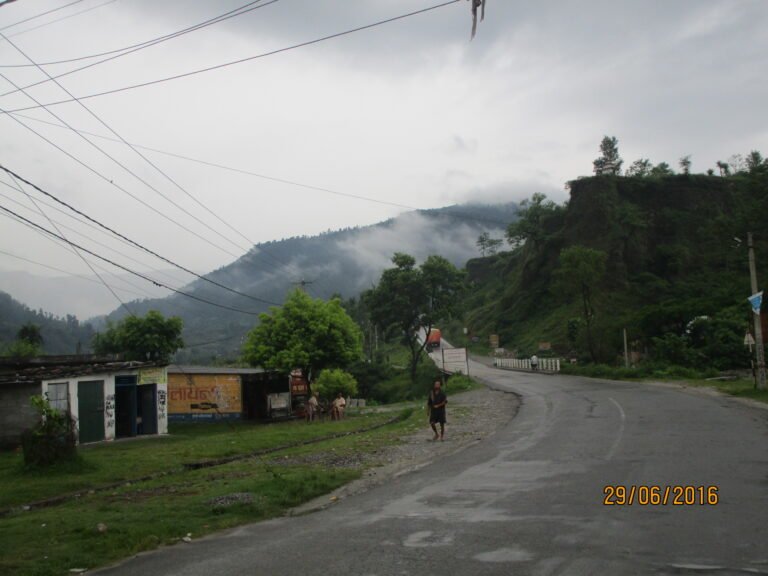
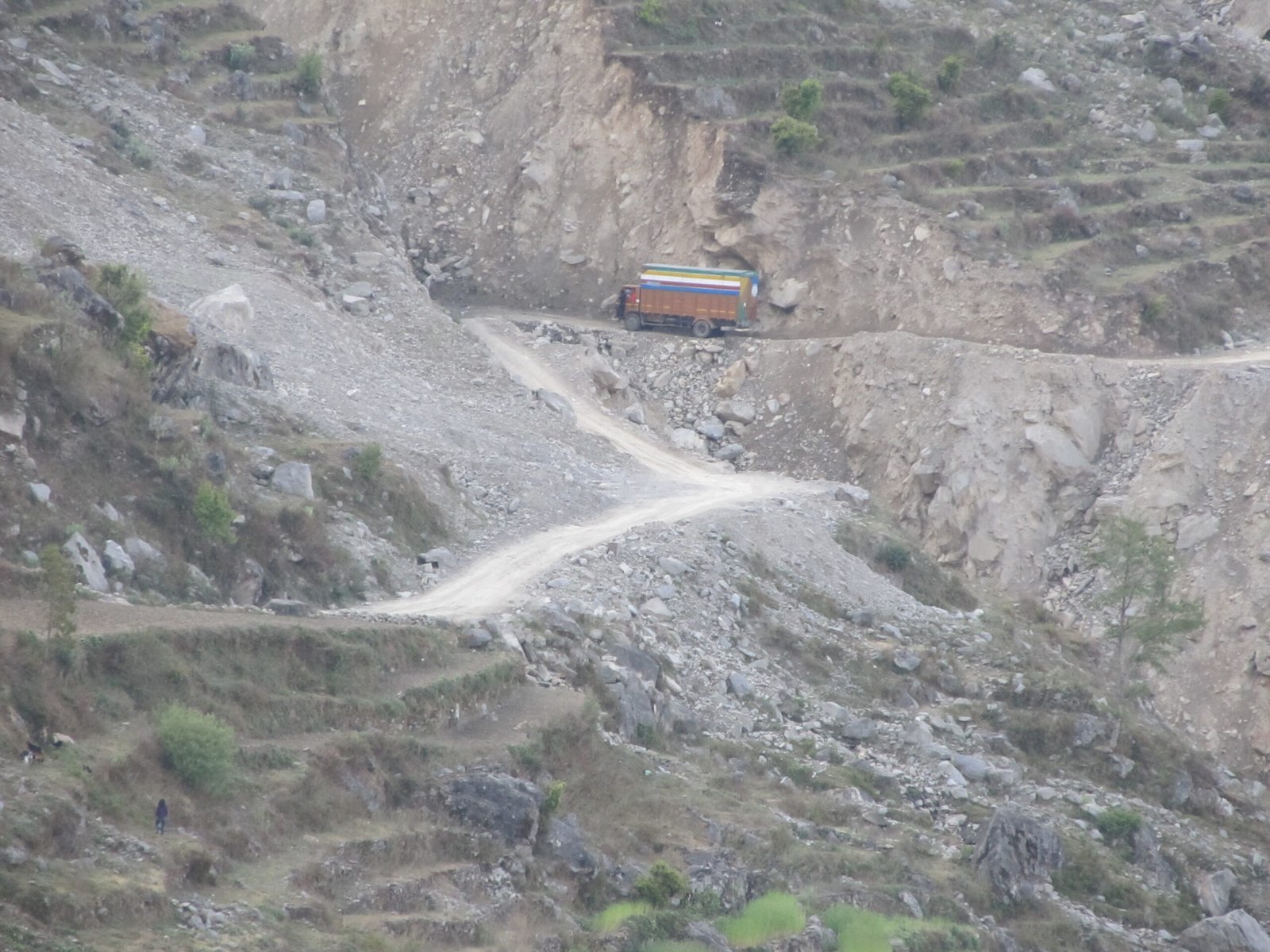
Featured image: Trisuli Highway section in Nepal, a road in the same regional network as the Tokha-Chhahare section. Photo by Sundar1, Wikimedia Commons, licensed under CC BY-SA 3.0.

Related Guides
- Nepal Trekking Safety and Health Complete Guide (2026)
- BP Highway Blocked: What Trekkers Need to Know
- Nepal Trekking Travel Insurance: What Every Trekker Must Know
Share this content: