Nepal Moves to End Upper Mustang’s Restricted-Area Permit. The Fee Stays for Now
KATHMANDU, November 16, 2026 (30 Kartik 2083) — For the first time in more than three decades, Nepal’s immigration bureaucracy has formally asked whether Upper Mustang should still be a restricted area. The Department of Immigration wrote to the District Administration Office in Mustang in late September asking for a review of the designation, with reasons and justification, and the district office is now collecting written recommendations from the rural municipalities whose wards appear on the list. One of them has already voted to come off it.
None of this changes anything for a trekker standing at the checkpost in Kagbeni this morning. The special permit still costs US$50 per person per day on top of the Annapurna Conservation Area entry permit, and it is still arranged through a registered trekking agency. What has changed is that the question now sits inside the Home Ministry’s immigration machinery instead of in memorandums to prime ministers.
- The Department of Immigration asked the District Administration Office in Mustang on September 28 to review the restricted-area listing and reply within seven days with the grounds for keeping or dropping it.
- Lo-Ghekar Damodarkunda Rural Municipality decided on November 6 to recommend removing all five of its wards from the list. Lomanthang Rural Municipality says it will recommend removal but had not formally done so as of November 16.
- The district administration says it will forward the local governments’ decisions to the department by next week.
- Upper Mustang remains restricted today: foreign trekkers need a US$50-per-person-per-day permit from the Department of Immigration, plus a separate Annapurna Conservation Area entry permit.
- Around 4,000 foreign visitors a year reach the main destinations in Lomanthang and Lo-Ghekar Damodarkunda, out of more than 120,000 who visit Mustang district, according to figures cited by local representatives.
A letter, not a decision
The trigger was a letter. According to The Rising Nepal, the Department of Immigration wrote to the Mustang district administration on September 28, asking it to consult local governments and concerned offices and send back a recommendation within seven days on whether the restricted-area status should be reviewed, along with the basis, reasons and justification.
The deadline was missed, and not only because of the festival calendar. The district office wrote to Lomanthang and Lo-Ghekar Damodarkunda rural municipalities on the eve of the Tihar holidays, and also sought the views of Baragung Muktichhetra, whose ward 3 at Chhusang and Satang in ward 5 are on the restricted list. Assistant Chief District Officer Ek Narayan Bhandari told Ratopati that the letter itself arrived late and was then overtaken by Dashain and Tihar. “Now, after the suggestions come from the local levels, we will send our opinion based on that,” he said. He told The Rising Nepal that the compiled recommendations would go to the department “by next week”.
What Mustang has been asked
The department asked for an assessment against specific criteria, according to Ratopati: the Korala pass as a potential bilateral trade gateway, recent infrastructure development, transport access, changes in trekking routes, biodiversity, socio-cultural conservation and national security. That framing makes the exercise a weighing of risks rather than a simple request to open a door.
What the restricted tag means on the ground
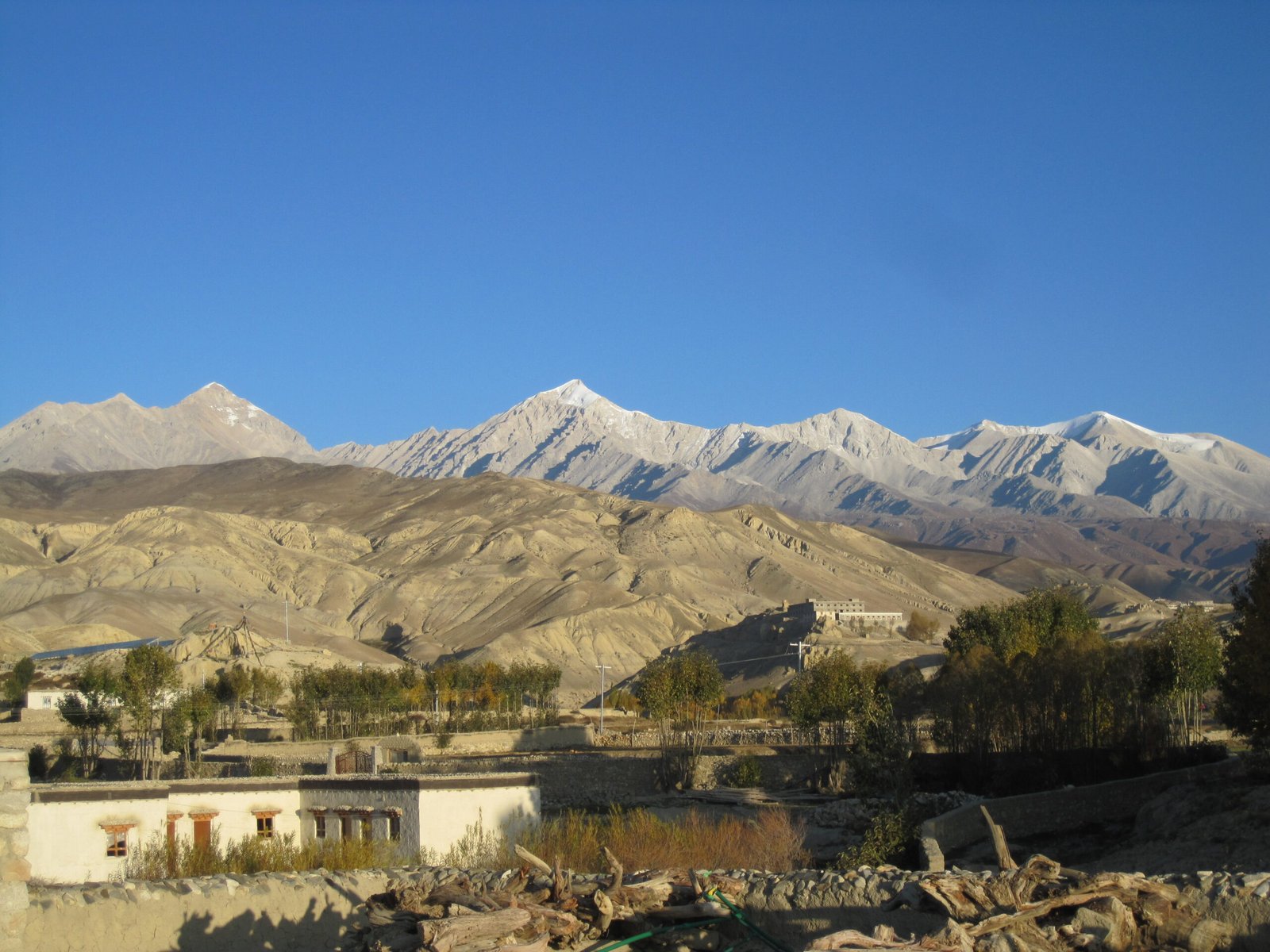
Upper Mustang, the country north of Kagbeni, was opened to foreign visitors in 1992. Under the Immigration Rules, 1994, 15 border areas across 13 northern Himalayan districts are designated as restricted, and foreign nationals may enter them only with a special trekking permit issued by the Department of Immigration.
In Mustang the list covers all wards of Lomanthang and Lo-Ghekar Damodarkunda rural municipalities, plus Chhusang in ward 3 of Baragung Muktichhetra and Satang in ward 5, according to the Nepal Tourism Board’s published fee schedule. Permits are arranged through registered trekking agencies. Since March 2026 solo trekkers can apply, provided they hire a licensed guide and their trip is registered through an agency, as The Kathmandu Post reported when the department revised the policy.
The fee has already been cut once
Until late 2025 the permit worked as a package: US$500 for the first ten days, then US$50 for each additional day. In November 2025 the cabinet amended Schedule 12 of the Immigration Regulations and moved to a flat US$50 per person per day, as The Kathmandu Post and The Annapurna Express reported. For a four-day visit that cut the bill from US$500 to US$200. Anyone staying longer than ten days paid the same as before.
That change explains why coverage can sound contradictory: The Rising Nepal describes the charge as US$50 per day, older articles still cite a US$500 ten-day minimum, and both describe the same permit at different points in its history. The tourism board’s schedule now lists Upper Mustang at US$50 per person per day.
Why Mustang’s representatives want the rule gone
Local leaders have argued for a decade that the restriction costs them visitors without protecting much. Lo-Ghekar Damodarkunda chairperson Lopsang Chhomphel Bista said after the November 6 executive meeting that the permit process had cut foreign arrivals and hurt hotel and tourism businesses, and had also limited cross-border trade at Korala. “Due to the existing provisions regarding restricted areas, the arrival of foreign tourists in Upper Mustang has decreased, directly impacting hotel entrepreneurs and the tourism business,” Ratopati quoted him as saying.
Lomanthang chairperson Tashi Norbu Gurung raised a different cost: emergencies. He told The Rising Nepal that evacuating patients with critical conditions had been complicated by the need for special permission. “We are encouraged by the Department’s letter, which has raised new hopes for tourism in Upper Mustang. This is the beginning of success after years of sustained efforts,” he said.
Mustang’s MP, Yogesh Gauchan Thakali, argues that Upper Mustang could serve as a shorter route to Kailash Mansarovar, especially for Indian pilgrims who already come to Muktinath. An immigration office opened at Korala a year ago, and the border point now operates permanently.
The numbers, and where they disagree
Everyone agrees that only a small fraction of Mustang’s foreign visitors go north of Kagbeni; the dispute is over the base. The Rising Nepal reports that around 4,000 tourists a year visit the main destinations in Lomanthang and Lo-Ghekar Damodarkunda. Thakali puts total foreign arrivals in Mustang at more than 120,000 a year.
Annapurna Conservation Area Project figures reported by The Rising Nepal in July put the district’s arrivals at 150,453 in fiscal 2024/25, of which 4,219 reached Upper Mustang — a gap of about 97 percent that both sides use as their central argument. In 2022/23 the equivalent split was 3,388 out of 71,700.
What would have to happen before a trekker notices
A recommendation is not a rule change. The district administration sends the local governments’ views to the Department of Immigration, which then advises the Home Ministry, owner of the Immigration Rules. Removing Upper Mustang from the list would require amending Schedule 12, the same instrument the cabinet used to change the fee. Until then the fee and the permit requirement stand exactly as they are.
No ministry has set a timetable, and no official has said which wards, if any, the government is prepared to release. The criteria include national security, and the restricted list spans 13 districts, so a decision on Mustang would set a precedent for Upper Dolpa, Manaslu, Tsum Valley and Nar and Phu. Expect a slow file rather than a December announcement.
What it means for trekkers and operators
Plan as if nothing has changed, because nothing has. Budget US$50 per day for every day inside the restricted zone above Kagbeni, on top of the ACAP entry permit, and allow for the agency and guide requirements. If your itinerary is short, the flat daily fee is cheaper than the old package — four days now costs US$200 rather than US$500 — but a two-week Upper Mustang trek costs the same as it did before the amendment.
Operators should keep quoting the current fee and should not tell clients the permit is about to disappear. Spring 2027 bookings are being taken now, and the review will not conclude before those deposits are paid. Nothing in the process shortens the queue at the department or alters the ACAP fee.
One point worth separating from the permit debate: Korala is a border crossing to Tibet, and continuing from Lomanthang towards Kailash Mansarovar depends on Chinese permits and group arrangements that this review does not touch.
Where the reports disagree
Two discrepancies are worth flagging. The date of the department’s letter: Nepali-language reports and The Rising Nepal date it to Ashoj 12, which is September 28, while Ratopati’s English edition says October 12 — a conversion slip rather than a different letter. And the Baragung Muktichhetra wards: Ratopati writes of “Sangta village of Ward No. 3 and 5”, while the tourism board lists Chhusang in ward 3 and Satang in ward 5. The official schedule is the one to rely on.
Sources: The Rising Nepal, Ratopati, Gorkhapatra, The Kathmandu Post, The Annapurna Express, Nepal Tourism Board.
Share this content: