Mustang Tourism Rebounds, but Jomsom Flights Stay Grounded
KATHMANDU, November 10, 2026 (24 Kartik 2083) — Mustang has its autumn back, and almost nobody flew in to see it. Police at the district’s entry checkpoints counted 51,123 visitors between October 18 and November 6, the first 20 days of Kartik, a figure the District Police Office in Mustang released on Monday. Across the same stretch the two airlines that normally fly Pokhara–Jomsom stayed on the ground, and the road up the Kali Gandaki valley was a construction site in places. Four visitors in five were Nepali.
Key facts
- Visitors: 51,123 entries to Mustang between October 18 and November 6, 2026 (Kartik 1–20), per the District Police Office, Mustang.
- Breakdown: 41,191 domestic, 8,549 from SAARC countries, 1,383 from other countries.
- Peak and trough: 4,104 entries on Kartik 7 (October 24) against 822 on Kartik 14 (October 31).
- Air access: no scheduled Pokhara–Jomsom flights since October 19 (Tara Air) and October 21 (Summit Air); charters continue.
- Road: Beni–Jomsom–Korala is passable but under repair, with one-way sections; full restoration is estimated at about Rs 3 billion over two to three years.
- Permits: an Annapurna Conservation Area permit costs Rs 3,000 for visitors from outside SAARC and Rs 1,000 for SAARC nationals, and doubles if issued at a checkpoint.
What the police counted
The figures come from the two places every road arrival must pass: Ghasa, on the Myagdi–Mustang border, and Chhusang further north, where police log vehicles and passengers coming in. The station at Lete records departures. Santosh Basyal, the district police information officer, gave the 20-day totals on Monday, with a breakdown by sex that is routine for police registers: 29,511 domestic men and 11,680 domestic women, 4,900 SAARC men and 3,649 SAARC women, and 834 men and 549 women from other countries.
Read the number for what it is: entries, not nights and not individual people. A family that drives to Jomsom, visits Muktinath and returns appears once. What it captures reliably is the direction and rough size of the flow through the valley.
Four in five arrivals were Nepali
Domestic travellers made up 80.6 percent of the total, SAARC nationals 16.7 percent and the rest of the world 2.7 percent. Of the 9,932 foreign visitors in the window, 86 percent came from SAARC countries, which in practice means Indian pilgrims heading for Muktinath. That is Mustang’s normal autumn shape: a domestic holiday crowd, an Indian pilgrimage market, and a small, high-value tail of trekkers and motorcyclists from Europe and North America.
The pace quickened as the window closed. Fifteen days into Kartik the same police office had recorded 35,858 visitors, 27,107 of them Nepali. The last five days therefore added 15,265 entries, about 3,053 a day against 2,391 a day over the first fortnight; the domestic daily rate rose from roughly 1,807 to 2,817. Demand arrived in blocks, not on a curve: the daily count swings from 4,104 on October 24 to 822 on October 31. For hoteliers in Jomsom and Kagbeni, that five-fold gap is the season’s practical problem — full houses and scarce jeeps for a few days, half-empty lodges in between.
The flights stopped in October
Pokhara–Jomsom is normally served by Tara Air and Summit Air with 18-seat Twin Otters, up to five rotations each per day and all completed before 11am, because the valley wind makes afternoon operations unsafe at Jomsom’s single runway. Together they fly more than 1,200 scheduled sectors a year. This season they stopped early. Tara Air suspended regular flights from October 19 and Summit Air from October 21, telling agents it would not return until next season.
Bishwaraj Sharma, who heads the Civil Aviation Office at Jomsom, confirmed both suspensions and said the instruction now is to handle the route on a charter basis. The airlines cited maintenance and missing passengers: one of Tara Air’s three aircraft is in maintenance, one of Summit Air’s four was being prepared to go, and bookings collapsed after the September floods. Nepalnews reported the suspension as a five-month gap, which fits the route’s pattern — regular flights run from about August to November, and the rest of the year is lost to monsoon visibility, winter fog and snow. Neither carrier has published a resumption date.
The road is open, and unfinished
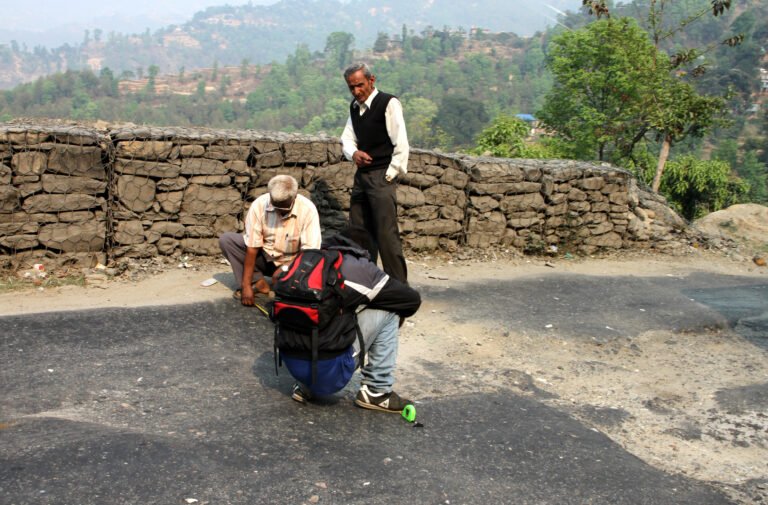
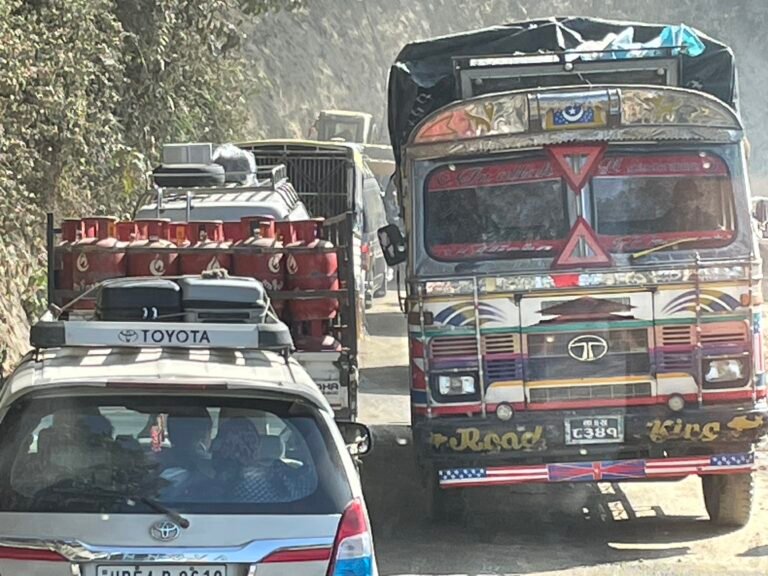
The visitors came by road, up the Kaligandaki Corridor from Maldhunga through Beni, on a highway that took severe damage when the Kali Gandaki swelled in late September. The Beni–Jomsom–Korala project counted 46 damaged points in the Myagdi section alone, with roughly 12 kilometres of road lost outright. Repairs began in the first week of November to turn the emergency one-way working into a two-way road: debris cleared, potholes filled, gravel laid on the muddy stretches, narrow sections widened.
Tejaswi Sharma, the project chief, puts full restoration at about Rs 3 billion and two to three years. The road works now, but it will keep throwing single-lane sections, gravel and construction traffic at drivers for several seasons, and until the airlines return it is the only way in and out for most travellers.
A season that began badly
The rain of September 24 to 27 wrecked the corridor, and the damage was not confined to Myagdi: flooding in the Bhotekoshi and Kali Gandaki systems, then snow at Korala, closed the northern end of the trade route too. Police in Mustang attribute the earlier slump to that sequence and to Cyclone Arnab, which brought further rain and snow. Suman Thakali, Summit Air’s station in-charge at Jomsom, said the airline lost its bookings after the Rasuwa flood and the blockages that followed, because visitors could not see how they would reach Mustang at all. The recovery, when it came, was domestic and it came by road. Raju Lalchan, president of the Mustang Chamber of Commerce and Industry, told Barnanmedia that festival holidays and settled weather had restored confidence among hoteliers, jeep operators and shopkeepers who had written the season off in September.
What it means if you are going
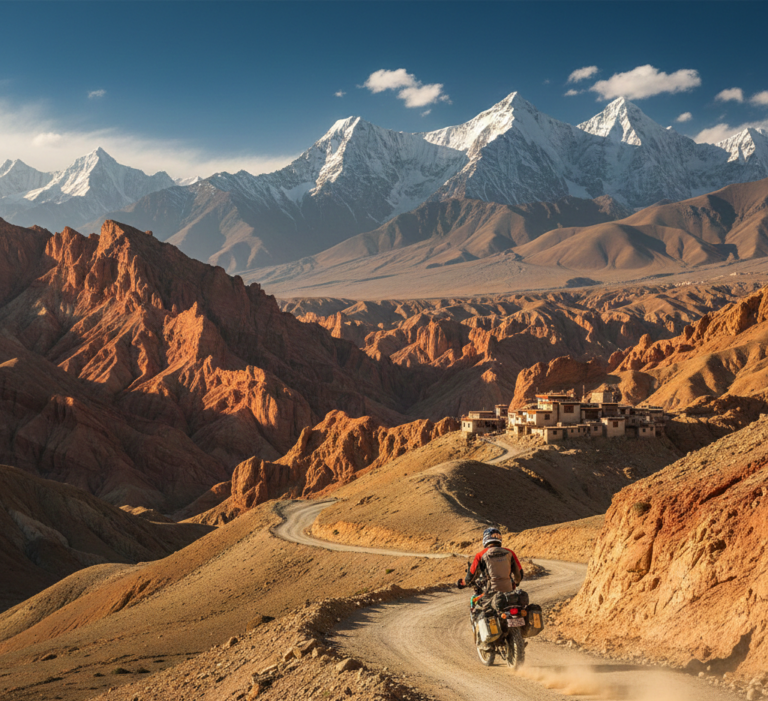
Getting there. Assume the road. From Pokhara the drive runs through Beni and up the valley: a long day with repair sections, best done in daylight. If you must fly, ask a Pokhara operator about charter and helicopter seats, and expect to pay for the aircraft rather than the seat.
Permits. Jomsom and Muktinath sit inside the Annapurna Conservation Area, so every foreign visitor needs an ACAP permit, issued by the National Trust for Nature Conservation online or at counters in Kathmandu and Pokhara. Buy it before the mountains: the fee doubles at checkpoints, and Ghasa and Chhusang check every vehicle. Our permits guide has the current fees. Upper Mustang beyond Kagbeni needs a separate restricted-area permit and a registered guide.
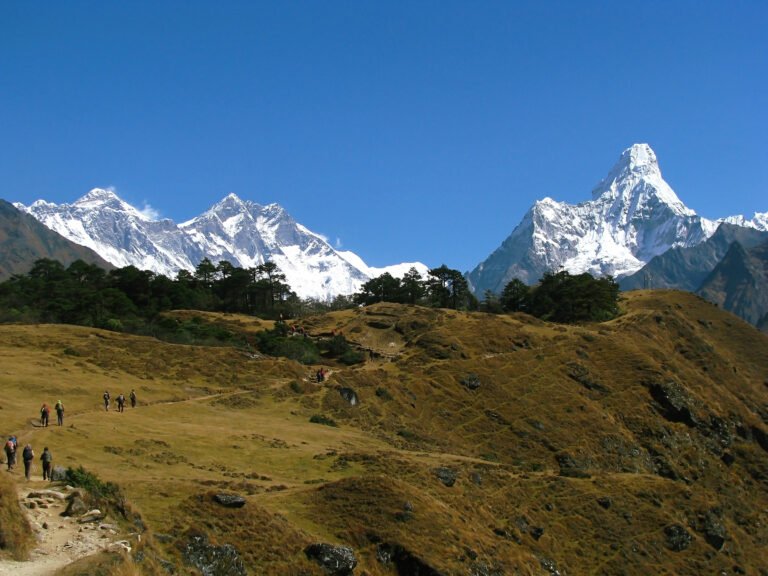
Altitude. The jeep climb from Jomsom, at roughly 2,700 metres, to Muktinath gains more than a thousand metres in a couple of hours — a lot of height for one morning. Sleep in Jomsom or Kagbeni first, keep day one short, and treat headache, nausea or breathlessness at rest as reasons to go down rather than on.
Timing and winter. Pick a weekday if you can: the district absorbed over 4,000 people on its busiest day and fewer than a thousand on its quietest, and rooms, jeeps and guides follow that curve. With the flights gone, the road is the winter route too; snow can still close Korala at the top. Check conditions in Jomsom.
What it means for operators
The Trekking Agencies’ Association of Nepal’s Gandaki chapter warned in October that losing the Jomsom flights would hurt rescue capacity as much as tourism. Its president, Tirtharaj Subedi, called the corridor a lifeline for trekkers, pilgrims and patients, and petitioned the tourism ministry, the Civil Aviation Authority, Nepal Airlines and the two carriers to restore service with contingency cover. Nothing has been restored. Medical evacuations from Mustang now depend on charter aircraft and helicopters drawn from the same pool flying pilgrims to Muktinath, over a road with single-lane stretches. Build a spare day into itineraries, brief clients on the road rather than the flight, and confirm evacuation cover before departure.
The other lesson is about expectations. National arrival figures this autumn have looked flat while the mountains have looked busy, because the growth is domestic: businesses that staffed and priced for foreign trekking groups served Nepali families in private vehicles instead — a different customer, a different length of stay, a different tolerance for a ten-hour drive. The Annapurna region is running on that trade.
What to watch
Three things will decide Mustang’s winter. Whether either carrier restores even a partial Pokhara–Jomsom schedule before spring — aircraft availability, not demand, is the binding constraint. Whether the road reaches two-way working; it will not be finished this season. And snow: a heavy December fall at Korala would cut the district back to the Jomsom–Muktinath stretch, which is where almost all of this traffic goes anyway.
Sources: Barnanmedia, Khabarhub, Tourism Mail, Nepalnews, People’s Review, The Insight Room (citing Gorkhapatra), Nepal Tourism Board, National Trust for Nature Conservation.
Share this content: