Nepal’s 13th Helicopter Operator Starts Everest Charters on a Rule CAAN Rewrote
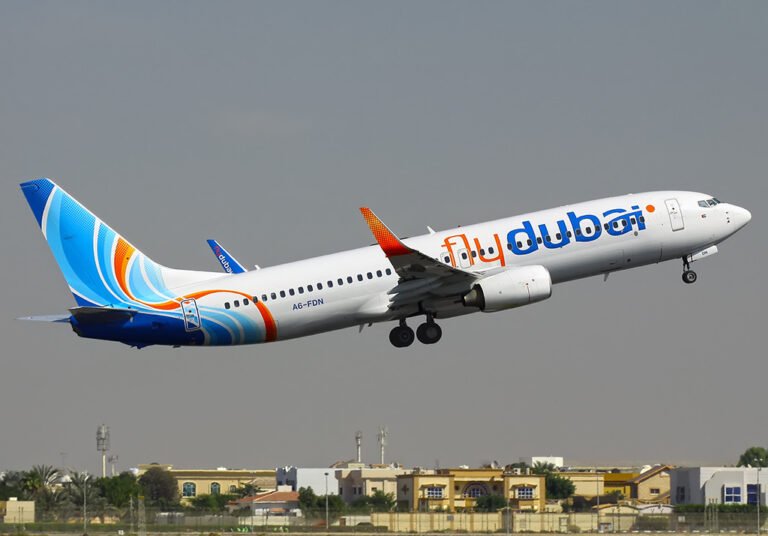
KATHMANDU, November 7, 2026 (21 Kartik 2083) — Nepal has a thirteenth helicopter operator. Sagarmatha Helicopter Company began commercial flights in late October after the Civil Aviation Authority of Nepal (CAAN) issued its air operator certificate — and it did so with a single aircraft, under a rule the regulator amended weeks earlier.
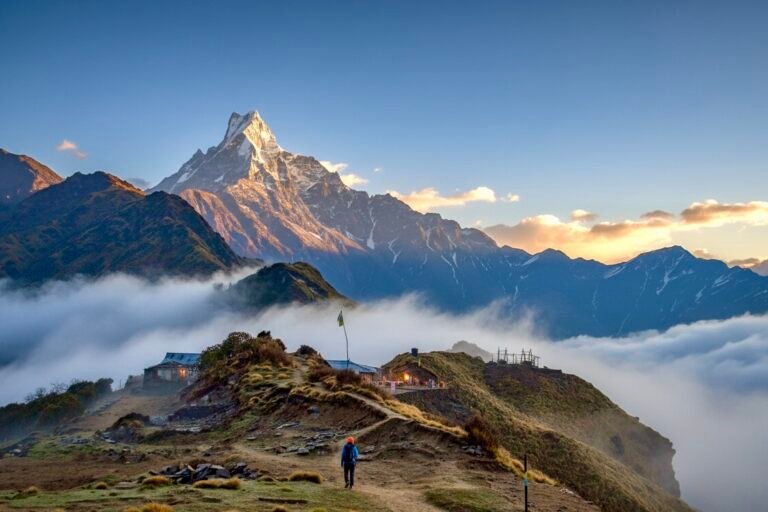
The company received its AOC during the Dashain holidays and started flying from Asoj 31 (October 17); some reports put the first commercial flight at Kartik 2 (October 19). It joins a market where the Khumbu — the Everest region — generates roughly 70 percent of Nepal’s private helicopter business, and where two helicopters collided at the Pheriche helipad only days later.
Key facts
- Operator: Sagarmatha Helicopter Company, promoted by Janak Thapa, operating as Sagarmatha Air; Nepal’s 13th helicopter company.
- Fleet: one helicopter, acquired from Mountain Helicopter, with conditions to add a second within three months and reach five within five years.
- The rule change: CAAN’s eleventh amendment to the Airline Operators Certificate Requirements (AOCR), issued 29 September 2026, replaced the requirement to hold three aircraft before starting operations with a requirement to reach three within five years of licensing.
- Background: the stricter rule — five aircraft by February 2029, three to start — was introduced in February 2024 by then director general Pradeep Adhikari, who is now jailed on a corruption charge.
- Timing: the certificate landed during Dashain, when the regulator’s offices operate on holiday staffing.
What the regulator changed, and why it matters
The 2024 AOCR was designed to consolidate a crowded industry: too many operators, thin balance sheets, and a safety record that has been under scrutiny for years. It required existing operators to build up to five aircraft by February 2029 and new entrants to hold three before starting.
That single line — three aircraft before launch — kept several licensed companies grounded. According to Capital Nepal, which reported the amendment in detail, Sagarmatha and others lobbied the new director general, Mukesh Dangol, a former joint secretary in the tourism ministry, to revisit it. The eleventh amendment, issued on 29 September 2026, allows a new operator to start with fewer aircraft, provided it reaches three within five years of receiving its licence.
Capital Nepal reported that CAAN’s spokesperson, Bikram Raj Gautam, did not answer calls seeking comment on whether the AOCR was amended specifically to licence one company. That question remains unanswered publicly: no safety-case analysis or consultation record has been published alongside the change.
A one-helicopter airline
Sagarmatha’s path to the certificate was long. It received a no-objection certificate in Falgun 2082 (February–March 2026), bought a helicopter from Mountain Helicopter, hired crew and set up its office, then applied for an operating certificate. CAAN staff inspected the aircraft and audited the office before issuing the AOC — the fifth and final stage of a process that runs from an expression of interest through commercial plans, financial checks, technical documentation, and a proving flight.
The conditions attached are the story: a second helicopter within three months, five within five years. Until the second aircraft arrives, the company is a single-airframe operator, which in mountain aviation means one unserviceable helicopter cancels every booking.
The market it is entering
Thirteen companies now fly helicopters in Nepal: Air Dynasty, Altitude Air, Annapurna Helicopter, Fishtail Air, Heli Everest, Kailash Helicopter Services, Basecamp Helicopter, Mountain Helicopter, Mustang Helicopter, Prabhu Helicopter, Simrik Air, Shree Airlines and now Sagarmatha. Heli Nepal holds an NOC and is expected to follow.
Competition has been good for prices and bad for margins. A shared Everest helicopter tour from Kathmandu — the four-to-five-hour flight that overflies Base Camp and lands at Kala Patthar — sells for roughly USD 1,380 to 1,500 per seat in 2026, with private charters in the USD 6,000–6,500 range. Landing rules are strict: helicopters may not land at Everest Base Camp, and landings at Kala Patthar are limited to two passengers on the onward leg from Lukla, with four permitted on the return.
Adding capacity to that market does not create new landing slots in the national park, and it does not add coordination on the ground at Pheriche, Gorakshep or Kala Patthar — the constraint the November 3 collision exposed.
Why this lands badly after Pheriche
Six days after Sagarmatha’s first commercial flights were reported, an Air Dynasty helicopter and a Fishtail Air helicopter collided while landing at Pheriche, killing an Indian passenger and injuring both pilots and a second passenger. CAAN formed a five-member investigation committee under director Prabhakar Chandra Mallik, and its director general said preliminary indications pointed to miscommunication between the two crews, in airspace outside the Lukla tower’s radio coverage.
The uncomfortable sequence is that the regulator relaxed an entry rule to admit a new operator, then suffered a fatal collision between two of the incumbents at a pad with no controller, no ground sequencing and no regulatory presence. More operators and more aircraft in the same valley does not, by itself, make that safer — and nothing published so far suggests the amendment came with new operational requirements for Khumbu.
What it means if you are chartering to Everest
- Check the certificate, not the website. Ask for the operator’s AOC number and the aircraft registration; both are public-record items in Nepal.
- Ask about fleet depth. A single-aircraft operator has no spare. If the machine goes technical, your charter does not fly — and November weather already cancels a share of Everest flights.
- Confirm landing permissions in writing. “Everest helicopter tour” covers several products: an overflight, a Kala Patthar landing, or a Lukla–Gorakshep transfer. They carry different permits and different prices.
- Insurance: confirm the policy covers helicopter transport and high-altitude evacuation, and that the operator’s passenger liability cover is current.
- Buffer your international flight. Morning mountain weather and aircraft availability mean same-day connections out of Kathmandu are a gamble.
The question nobody has answered
Nepal’s helicopter industry has argued for years that consolidation — fewer, larger, better-capitalised operators — is the route to safer flying. The 2024 AOCR was that policy. The 2026 amendment reverses it for new entrants, on the argument that the five-aircraft target was unrealistic within the deadline.
Both positions can be defended. What cannot be defended is changing a safety-linked certification requirement without publishing the reasoning, three weeks before the busiest helicopter season in the Everest region, and in the same month that two incumbents collided at a helipad nobody regulates on the ground.
Sources: Capital Nepal (29 September 2026 AOCR amendment; 13-operator tally), Tourism Mail and Tourism Info Nepal (commercial launch, October 29–31, 2026), Nepalstatus, Aviation Pana (import approvals for Sagarmatha and Heli Nepal), The Kathmandu Post and OnlineKhabar (Pheriche collision and CAAN probe). Related: the Pheriche collision report and Khumbu’s helicopter oversight gap.
Share this content: