
Nepal Fines Voyage Travels Rs 50,000 for Taking Belgians Toward Dolpo Without a Trekking Permit
KATHMANDU, November 4, 2026 (18 Kartik 2082) — Nepal’s Department of Immigration has fined a Kathmandu trekking company Rs 50,000 for attempting to take two Belgian nationals into Dolpo Buddha Rural Municipality without a trekking permit, the department said.
The company, Garima Voyage Travels Tours and Treks Pvt Ltd, was penalised under Section 10(4) of the Immigration Act, 2049, after the department reviewed a letter and incident report forwarded by the District Administration Office in Dolpa.
Key points
- Garima Voyage Travels Tours and Treks Pvt Ltd fined Rs 50,000 under Section 10(4) of the Immigration Act, 2049.
- Allegation: two Belgian citizens were being taken toward Dolpo Buddha Rural Municipality without a trekking permit.
- The department says the violation was confirmed from documents and details supplied by the District Administration Office, Dolpa.
- The guide’s professional conduct and licence are now with the Department of Tourism and the Bagmati Province Ministry of Industry, Tourism, Labour and Transport for investigation.
- All agencies and guides have been told not to move tourists into any area without a permit, and warned of legal action for violations or for ignoring official instructions.
What the Department of Immigration says
The department said it acted after studying the correspondence and incident details received from Dolpa, where the district administration had recorded the case. It concluded that the agency had breached prevailing law and issued the fine accordingly.
Separately, the department has written to the Department of Tourism and to the Bagmati Province Ministry of Industry, Tourism, Labour and Transport, asking them to examine the conduct of the guide involved and the status of the guide’s licence. That correspondence moves the case beyond a fine: it puts the guide’s professional standing under review by the bodies that issue and regulate trekking credentials.
In its notice, the department urged trekking agencies and guides not to take tourists into any area without the required trekking permit, and to comply fully with the permits and conditions already issued. It warned that anyone violating permit rules, or disregarding instructions from the responsible authority, will face action under the law.
Why Dolpo cases get attention
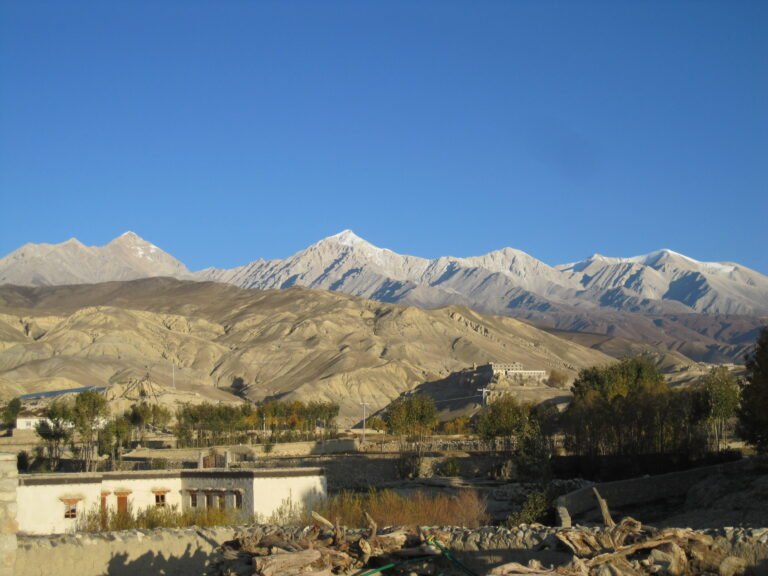
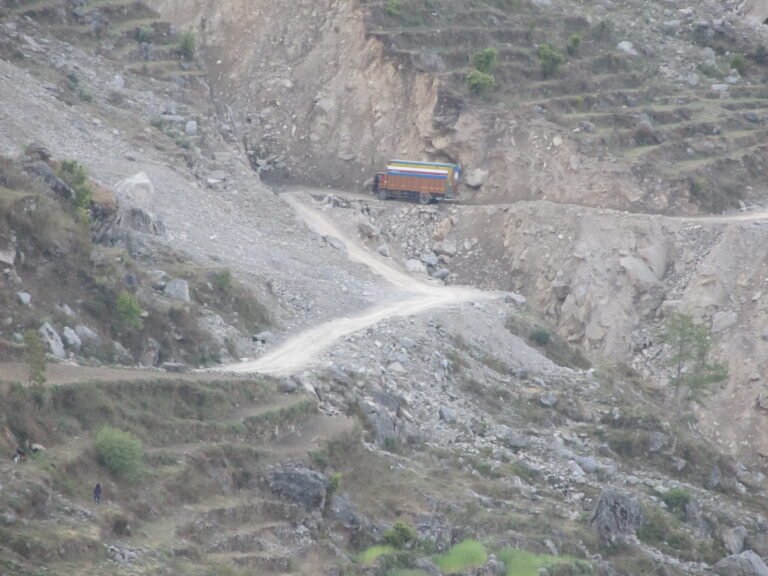
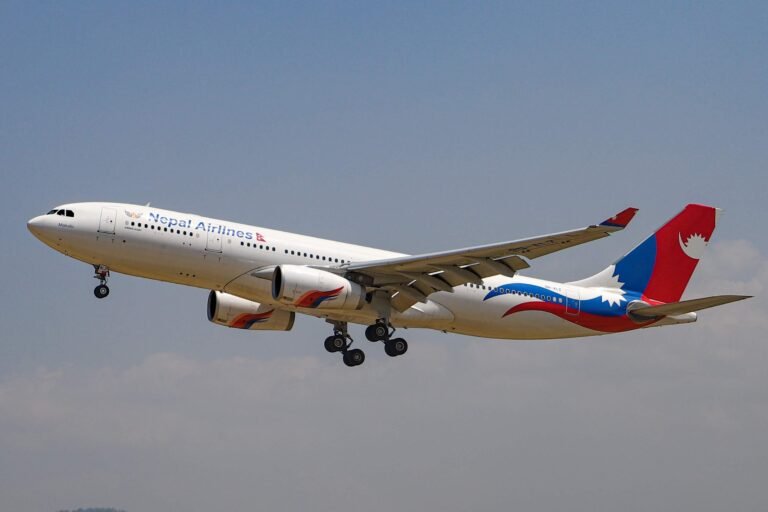
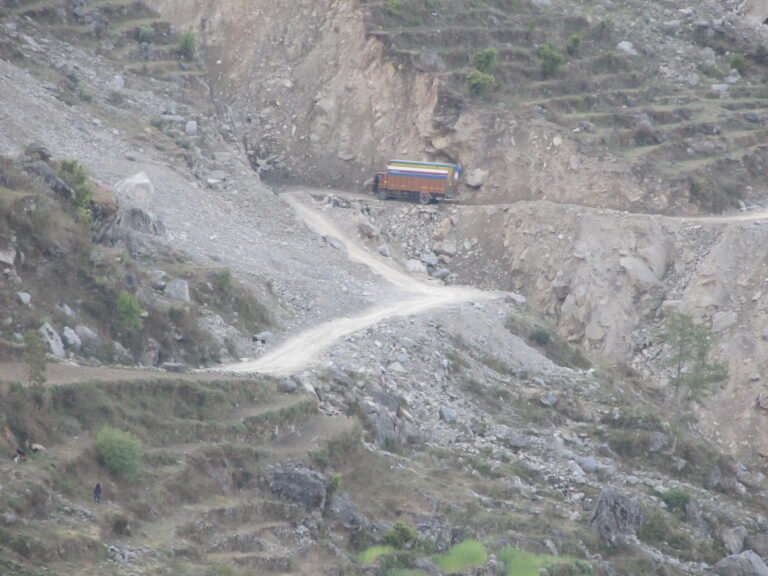
Dolpa is the largest and one of the most remote districts in Nepal, reached by air to Juphal or by days of road travel through Rukum and Jajarkot. Dolpo Buddha Rural Municipality covers the country around Phoksundo Lake, Ringmo and the western edge of Shey Phoksundo National Park — terrain that is a full day’s walk from the nearest road head and, in places, several days.
Permits in districts like this are not an administrative formality. They fund conservation in Shey Phoksundo National Park, they cap the number of people on fragile high-altitude trails, and — most importantly for anyone actually walking there — they tell authorities who is in the area and roughly where. When a landslide, a flooded river crossing or an altitude emergency closes a route, the permit record is what rescue coordination works from.
That is why the department’s language is blunt about compliance, and why cases involving restricted and remote areas tend to end up referred to more than one agency rather than settled with a fine alone.
What the permit rules require
The exact paperwork depends on the route, but the structure is consistent across Nepal’s trekking areas:
- TIMS card. NPR 2,000 per person when applied for individually, or NPR 1,000 through a registered trekking agency. It is issued per trek, not per trip.
- Protected-area entry. NPR 3,000 for Sagarmatha, Annapurna, Manaslu and Langtang national parks; NPR 3,000 for Shey Phoksundo; NPR 1,500 per day for Chitwan.
- Restricted-area permits. Only through a licensed Nepali agency, for a minimum of two trekkers, with a mandatory guide. Upper Dolpo is USD 500 per person for the first ten days; Upper Mustang is the same; Manaslu starts at USD 100 per person per week in the September–November season.
- Route accuracy. Restricted permits name the trekkers and the route. Changing the itinerary mid-trek requires the agency to amend the permit.
- Carrying copies. Permits are checked at checkpoints inside parks and conservation areas. Digital copies are not always accepted.
Trekking in Nepal without a permit is not a grey area, and “the agency will sort it out on the trail” is not a plan. A trekker without a valid permit can be stopped at a checkpoint and sent back, at their own cost, regardless of what they were told before paying.
What it means for trekking agencies
The immediate cost to the company in this case is Rs 50,000. The larger exposure is regulatory. A finding under the Immigration Act sits alongside the agency’s registration with the Department of Tourism and its standing with the trekking association: licence review can follow, and repeat findings can end an operator’s ability to issue restricted-area permits at all.
Guides carry their own risk. A guide’s licence is a personal credential, and the department has explicitly asked the tourism authorities to examine the conduct and licence of the guide in this case. For freelancers especially, a single permit violation can mean losing the credential that the whole career depends on.
What it means for trekkers booking a Dolpo trip
Dolpo itineraries are expensive and logistically thin, which is exactly the environment where a cut-price operator becomes tempting. Five checks make the difference between a trek and a problem at a checkpoint:
- Ask for the agency’s licence and registration number before paying a deposit, and confirm the name matches the company on the invoice, not a broker’s.
- Insist on seeing the permits before departure — park entry, TIMS and, for Upper Dolpo, the restricted-area permit — and check that your name, nationality and route appear correctly.
- Confirm the guide is licensed and that the guide’s name appears in the permit paperwork.
- Understand what the permit costs so you can tell when a quote is too low: for Upper Dolpo the restricted permit alone is USD 500 for ten days.
- Keep paper copies in your pack. Checkpoints may not accept a photo on a phone.
If an operator refuses to show permits before departure, that is the answer. Walking away costs a deposit; being turned back two days into a Dolpo trek costs the whole trip, and in a district this remote, it can cost more than money.
Enforcement in a disrupted autumn
This case lands in a season when permit and route compliance has been unusually visible. In early September 2026, a flash flood near Namrung damaged infrastructure and washed away two bridges on the Manaslu and Larke Pass route, prompting authorities to suspend trekking on that section; the Nepal Tourism Board reported on September 11 that damaged structures had been restored sufficiently and lifted the restriction.
In October, reports of flooding along the lower Budhi Gandaki corridor in Gorkha raised fresh concerns about access around Salleri, Jagat and Machha Khola. Each of those episodes pushes the same point: the authorities need to know who is on which route, and agencies that bypass permits make that impossible.
If you are already booked
Ask your operator for scanned copies of every permit at least a week before departure. Confirm the park and restricted-area permits were issued by the Department of Tourism or the Nepal Tourism Board, and that the names and route match your itinerary exactly. If something is missing, raise it before you fly — not at the trailhead.
Trekkers who believe an operator is moving people into a protected or restricted area without permits can raise it with the Department of Immigration or the Nepal Tourism Board. The department’s latest notice makes clear it will act on those reports.
Source: OnlineKhabar, 18 Kartik 2082 (4 November 2026). Permit fees and rules as published in Nepal’s trekking permit regulations; see our visas and permits guide for the full schedule.
Share this content: